
Check Engine Light On? What the Most Common Warning Codes Really Mean

If your check engine light turns on, do not panic, but do not ignore it either. If the light is steady, first check that your gas cap is tight, then schedule a diagnostic scan as soon as possible. If the light is flashing, stop driving immediately because this often signals a serious engine misfire that can damage your catalytic converter. The check engine light means your vehicle’s onboard diagnostic system has detected a problem and stored a trouble code that needs to be read with a scan tool.

What Does the Check Engine Light Actually Mean?

Think of your car as having its own nervous system. Every car sold in the U.S. after 1996 has a built-in system called OBD-II. It watches over your engine, emissions, transmission, and fuel system around the clock. Hundreds of tiny sensors feed it information nonstop.

When something goes wrong, the system flags it with a trouble code, usually something like P0420 or P0300. Then it switches on that little amber light on your dashboard. The light doesn’t tell you what broke. It just tells you something broke. That’s where a proper scan comes in.

Steady vs. Flashing Check Engine Light

Here’s the big thing most people miss: how the light behaves matters just as much as the light being on.

Steady Light = Don’t Freak Out, But Don’t Ignore It

A solid light usually means a minor to moderate issue. Your car caught something off and logged it. You can drive for a short while, but get it checked quickly. Small problems have a way of growing into big, expensive ones when you put them off.

Flashing Light = Pull Over Now

A flashing light is your car screaming at you. It means the engine is misfiring badly — unburned fuel is shooting into the exhaust system. This can fry your catalytic converter in just a few minutes of driving.

Stop the car. Turn off the engine. Call a tow. Seriously, don’t push your luck on this one.

Most Common Reasons the Check Engine Light Turns On

Most check engine light visits come down to the same handful of culprits. Here they are, straight up.

1. Loose or Missing Gas Cap

Yep, it can be that simple. A loose gas cap lets fuel vapors escape. The emissions system picks that up and goes, “Hey, something’s leaking.” Tighten the cap, and the light usually clears itself after a few drives.

2. Faulty Oxygen Sensor

Your car has oxygen sensors in the exhaust that track how well your engine is burning fuel. When one goes bad, the engine gets the wrong information and starts wasting gas. Leave it too long, and it’ll damage your catalytic converter too. Common codes: P0138, P0141.

3. Bad Spark Plugs or Ignition Coils

Spark plugs light the fuel inside your engine. When they wear out, the engine starts misfiring, basically, some cylinders stop doing their job. You’ll feel it as a shaky idle or sluggish acceleration. This is also what causes that scary flashing light. Common codes: P0300–P0308.

4. Catalytic Converter Issues

The catalytic converter cleans up your exhaust before it leaves the tailpipe. When it fails, usually because of ignored spark plugs or a bad oxygen sensor, your car loses power and starts smelling like rotten eggs. It’s one of the pricier fixes, which is exactly why you want to catch the smaller problems before they get here. Common code: P0420.

5. Transmission Sensor Problems

Your transmission has sensors watching speed, temperature, and gear shifts. When one acts up, the check engine light kicks on, and your car might start shifting weirdly or hesitating. Catch it early, transmission repairs get real expensive, real fast.

Common OBD-II Warning Codes — Quick Reference

Code What It Means Severity Can You Drive?
P0420 Catalytic Converter Efficiency Low 🔴 High Short distances only
P0300 Random/Multiple Engine Misfires 🔴 High No, stop driving
P0301–P0308 Misfire in Specific Cylinder 🔴 High No, stop driving
P0171 Engine Running Too Lean (Bank 1) 🟡 Moderate Yes, but get it checked soon
P0174 Engine Running Too Lean (Bank 2) 🟡 Moderate Yes, but get it checked soon
P0138 Oxygen Sensor High Voltage (Bank 1) 🟡 Moderate Yes, but don’t delay
P0141 Oxygen Sensor Heater Fault 🟡 Moderate Yes, but don’t delay
P0440 Evaporative Emission System Fault 🟢 Low Yes, schedule a scan
P0455 Large Evap Leak (often a gas cap) 🟢 Low Yes, check the gas cap first
P0500 Vehicle Speed Sensor Malfunction 🟡 Moderate Cautiously,  affects shifting
P0700 Transmission Control System Fault 🔴 High No, get it diagnosed fast
P0128 Engine Coolant Temp Below Normal 🟡 Moderate Yes, but the  thermostat may be failing

Can You Reset the Check Engine Light?

Short answer: yes. But it’s not as clever as it sounds.

You can plug an OBD-II scanner into the port under your dashboard, pull the trouble code, and clear it. The light goes off. Problem solved, right?

Wrong.

If you didn’t actually fix what caused the light, it’ll come right back. Usually, within a few days of driving. You haven’t fixed anything — you’ve just turned off the alarm while the problem keeps getting worse.

There’s really only one good reason to reset the light: to confirm a repair actually worked. If the light stays off after the reset, you’re good. If it comes back, the fix didn’t take.

How a Professional Diagnostic Test Works?

A free code read at an auto parts store is a start, but it’s not a diagnosis. Here’s what a real diagnostic test actually looks like.

Code Scanning

A technician hooks up a pro-grade scanner and pulls every stored code from your OBD-II system. This points to which system or part triggered the light.

Live Data Monitoring

The technician watches your engine’s sensors in real time while the car runs. This shows how things are actually performing right now, not just when they failed.

Component Testing

Based on the codes and live data, the technician tests the actual parts, checking sensor signals, wiring, fuel delivery, and more, to nail down the exact problem.

Repair Estimate

Once the root cause is confirmed, you get a straight answer on what’s broken and what it costs to fix it. No guesswork, no fluff.

The difference between a free scan and a full diagnostic is like the difference between a doctor saying “you have a fever” versus figuring out why you have a fever. One gives you a clue. The other gives you a solution.

Check Engine Light On in Holland, MI? Here’s Your Next Move

If you’re in the Holland, MI area and that light just came on, don’t sit on it.

A professional diagnostic scan will tell you exactly what’s going on,  fast. Whether it’s something small like a gas cap or something bigger under the hood, the only way to know for sure is to get it scanned by someone who knows what they’re doing.

Cruz Automotive offers thorough diagnostic scans with real technicians and professional tools. Get it checked before a small issue turns into a big bill.

FAQs

Can I drive with the check engine light on?

If it’s steady, you can drive carefully for a short time, but get it scanned ASAP. If it’s flashing, stop driving right now. A flashing light means your engine is misfiring badly and can wreck your catalytic converter in minutes.

How long can I ignore a check engine light?

Honestly? Not long. Even if your car feels fine, something is off under the hood. Give it a day or two at most before getting it checked. A flashing light? That’s a same-day emergency, no question.

Will the check engine light turn off by itself?

Sometimes. If the problem fixes itself,  like a gas cap that was just a little loose, the light may go off after a few normal drives. But if the issue is still there, the light will come right back.

Is a check engine light always expensive to fix?

Not at all. A new gas cap is under $20. An oxygen sensor replacement usually runs $150–$300. But if it turns out to be a catalytic converter, you could be looking at $1,000 or more. The only way to find out what you’re dealing with is a proper diagnostic scan.
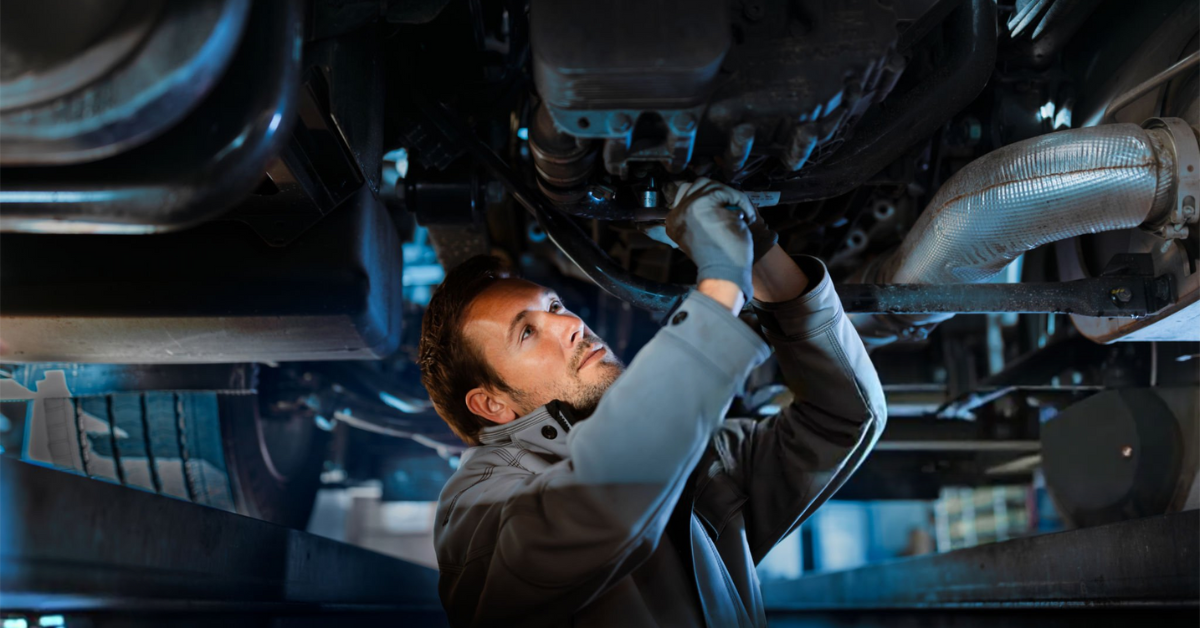
30K, 60K, 90K Mile Maintenance Guide for Drivers

At Cruz Automotive, we understand how important your vehicle is to your daily life. Whether you’re commuting through the Holland area or planning a road trip across Michigan, keeping your car running at peak performance is essential. One of the best ways to extend the life of your vehicle, avoid costly breakdowns, and ensure your safety is by sticking to factory scheduled maintenance intervals. In this blog, we’ll break down the 30K, 60K, and 90K mile maintenance milestones and explain why they matter for every driver.

Understanding Vehicle Maintenance Intervals

Most manufacturers recommend a structured maintenance schedule at every 30,000 miles, typically referred to as 30K, 60K, and 90K maintenance. These intervals are not arbitrary; they are designed based on years of engineering and testing to keep your vehicle running efficiently. At Cruz Automotive, we provide preventative maintenance services in Holland that align with your vehicle’s specific factory recommendations.

Following your factory scheduled maintenance can help:

  • Prevent engine and system failures
  • Preserve resale value
  • Improve fuel economy
  • Extend vehicle lifespan

What to Expect at 30,000 Miles

The 30K service interval is the first major checkpoint for many vehicles. At this stage, wear and tear begins to show on some essential components. Cruz Automotive recommends the following services during this visit:

  • Oil and filter change
  • Air filter replacement
  • Cabin air filter inspection/replacement
  • Brake inspection and adjustment
  • Fluid level checks (brake, coolant, transmission)
  • Tire rotation and tread check

This early maintenance is key to identifying minor issues before they become major repairs. It’s also the perfect time to evaluate your car’s performance and adjust for seasonal conditions in Holland.

60,000 Miles: Midlife Maintenance

At 60K miles, your vehicle is entering its midlife phase. This is the time to focus on the systems that are more prone to wear over time. Our preventative maintenance services in Holland at this milestone include:

  • Timing belt inspection or replacement (if applicable)
  • Transmission fluid flush
  • Spark plug replacement
  • Battery and charging system check
  • Fuel system inspection
  • Brake pad and rotor inspection
  • Suspension and steering system evaluation

Because many of these systems impact your vehicle’s drivability, addressing them early helps avoid sudden failures and improves fuel efficiency.

90,000 Miles: Preparing for the Long Haul

By the time your odometer hits 90K, your car has seen a lot, but with proper care, it still has many miles to go. At this point, Cruz Automotive performs a full factory scheduled maintenance service, including:

  • Coolant system flush and radiator inspection
  • Replacing spark plugs (if not done earlier)
  • Inspecting or replacing timing belt and water pump
  • Brake system fluid replacement
  • Transmission inspection and service
  • Full diagnostic scan for any hidden issues

We also carefully assess your vehicle’s drivetrain, suspension components, and exhaust system to ensure it’s ready for continued use.

Why Choose Cruz Automotive for Maintenance Services?

At Cruz Automotive, we take pride in being a trusted provider of preventative maintenance services in Holland. Our ASE-certified technicians follow your car’s manufacturer guidelines and offer honest, detailed evaluations during each service milestone. Whether you drive a domestic sedan, a luxury SUV, or a high-mileage truck, we tailor your vehicle maintenance intervals to meet your driving habits and local climate conditions.

We use quality OEM or equivalent parts, maintain transparent pricing, and help you plan for future service needs. Our mission is to ensure your vehicle stays reliable, safe, and efficient at every mile marker.

Stay Ahead with Scheduled Maintenance

Skipping or delaying factory scheduled maintenance might save you money in the short term, but it almost always leads to more expensive repairs down the road. Sticking to the 30K, 60K, and 90K service intervals is the smartest way to keep your vehicle in top condition for years to come.

If you’re approaching one of these milestones, or if you’re unsure whether your car is due for a service, contact Cruz Automotive today. Let our Holland-based team help you stay ahead of potential issues and keep your vehicle performing at its best.

Schedule Your Next Service

Visit us to schedule an appointment or learn more about our preventative maintenance services. We’re here to guide you through every stage of your vehicle’s life, mile by mile.

When Is the Right Time for a Tire Replacement? A Quick Guide for Drivers

At Cruz Automotive, we know how important it is to stay safe and confident behind the wheel. One of the most crucial, but often overlooked, components of your vehicle is your tires. If you’ve ever wondered when to replace tires, you’re not alone. Many drivers delay tire replacement until it’s too late, which can impact safety, fuel efficiency, and vehicle performance. That’s why we’ve put together this quick guide to help you spot the signs and know the right time to invest in tire replacement services in Holland.

Why Tire Health Matters

Tires are your vehicle’s only point of contact with the road, which means their condition directly affects your braking, acceleration, handling, and overall safety. Worn or damaged tires can increase your stopping distance and reduce traction, especially in wet or icy conditions. At Cruz Automotive, our ASE-certified technicians always stress the importance of proper tire maintenance and timely replacements.

5 Signs It’s Time to Replace Your Tires

1. Tread Wear

The most common reason for tire replacement is low tread depth. A quick way to check is the penny test, insert a penny into the tread with Lincoln’s head facing down. If you can see the top of his head, your tread is too low, and it’s time for new tires. Ideally, tread depth should not fall below 2/32 of an inch.

2. Cracks and Bulges

Rubber naturally degrades over time, especially when exposed to sun, heat, or extreme cold. If you notice cracks on the sidewall or bulging areas, it’s a red flag. These conditions could cause a blowout at any time, putting you and your passengers at risk.

3. Vibration or Thumping Noises

If you experience vibration or hear unusual thumping while driving, your tires might be unevenly worn, misaligned, or out of balance. It’s also possible that your suspension system is contributing to the problem. In such cases, it’s best to seek suspension repair near you along with a tire inspection.

4. Age of the Tires

Even if your tires look fine, age matters. Most manufacturers recommend replacing tires every six years, regardless of mileage. Rubber compounds degrade over time, reducing effectiveness. You can find the manufacturing date stamped on the sidewall of your tire in the DOT code.

5. Frequent Loss of Air Pressure

If you’re constantly refilling one or more tires, it could mean a slow leak or valve issue. Sometimes, this is repairable, but if the structure is compromised, a full tire replacement is the safest option.

Tire Safety Tips for Longevity

Maintaining your tires can help you avoid premature replacement and increase their lifespan. Here are some of Cruz Automotive’s top tire safety tips:

  • Check tire pressure monthly: Low pressure increases rolling resistance, leading to poor fuel economy and uneven wear.
  • Rotate your tires regularly: We recommend rotating tires every 6,000 to 8,000 miles to ensure even wear.
  • Balance and align: Misalignment and imbalance can cause uneven tread wear. Have your suspension and alignment checked during routine maintenance.
  • Inspect regularly: Look for embedded nails, cuts, or signs of wear after long trips or driving on rough terrain.

Don’t Forget About Your Suspension

Your suspension system plays a key role in how your tires wear and perform. If you’re dealing with excessive bounce, pulling to one side, or uneven tire wear, it might be time for suspension repair near you. At Cruz Automotive, we offer a complete inspection to diagnose issues and recommend the best solutions for a smoother ride and better tire health.

Rely on Professional Tire Replacement Services in Holland

At Cruz Automotive, we provide expert tire replacement services in Holland that you can trust. Our team will inspect your tires thoroughly, recommend the right brand and size for your vehicle, and install them with precision. We also offer alignment and suspension services to ensure your new tires last longer and perform better.

Whether you’re noticing bald spots or just want peace of mind, our Holland-based team is ready to help you drive safer and smarter.

Visit Cruz Automotive to schedule your tire inspection or replacement today. Your safety starts where the rubber meets the road, let us help you keep it that way.