Affordable Auto Engine Repair: What Impacts the Cost in 2026?

Looking for auto engine repair near you can feel overwhelming. One strange sound can make you worry. A warning light can raise stress fast. Many drivers fear high costs and confusing repair bills.

In 2026, engine repair costs follow clear patterns. When you understand them, things feel more manageable. We believe knowing what affects pricing helps drivers stay calm and make smart choices. This guide breaks everything down in plain language.

Why Engine Repair Costs Matter More Today?

Cars last longer than they used to. That is good news for drivers. At the same time, engines have become more complex. They now use sensors, computers, and electronic controls.

These systems help engines run better. However, they also take more time to diagnose and repair. For drivers needing engine repair services in Holland, this means pricing depends on both parts and labor. Knowing this early helps avoid surprises.

What Engine Repair Really Means?

Engine repair does not always mean major work. Many problems start small. When caught early, repairs stay simple and affordable.

Engine repair can include fixing leaks, replacing worn parts, or adjusting engine systems. In some cases, it involves deeper internal work. The cost depends on how far the problem has gone.

Common Engine Problems Drivers See

Most engine issues give warning signs. Paying attention helps prevent bigger damage later.

Common engine problems include:

  • Rough starts or shaking while driving
  • Oil spots under the car
  • Overheating or warning lights
  • Loss of power or poor gas mileage

Each issue has a different cause and cost. Early fixes almost always cost less than delayed repairs.

What Affects Engine Repair Service Costs in 2026?

Several clear factors influence engine repair service costs. These factors apply to most vehicles and repair shops.

Type of repair needed

Simple repairs cost less. Replacing spark plugs or belts is fairly quick. Internal engine repairs take more time and skill.

Parts prices

Some parts are easy to find. Others are model-specific and cost more. Supply delays can also raise prices.

Labor time

Engine repairs take time. Technicians must inspect, test, and fix problems carefully. More labor hours increase the total cost.

Vehicle make and age

Some cars need special tools or parts. Older cars may have worn systems that need extra work. Both affect pricing.

How Location Impacts Engine Repair Pricing?

Where you live plays a role in repair costs. Shops in large cities often charge more. Higher rent and wages raise prices.

Drivers searching for engine repair services in Holland often see more balanced pricing. Local shops understand common driving conditions. This helps them diagnose issues faster and avoid unnecessary repairs.

The Role of Technology in Modern Engine Repairs

Modern engines rely on computers to run properly. Sensors track temperature, airflow, and fuel use. When something goes wrong, warning lights turn on.

Technicians must scan the system to find the issue. This takes time but improves accuracy. While diagnostics add some cost, they often prevent repeat repairs and wasted money.

Why Early Repairs Save Money?

Small problems rarely fix themselves. Ignoring them usually leads to bigger damage. Early repairs protect the engine and lower costs.

For example, a small oil leak may seem harmless. Over time, low oil can damage engine parts. Fixing the leak early costs far less than repairing engine damage later.

This is a key part of engine repair affordability.

Preventive Maintenance Keeps Engines Healthy

Routine maintenance plays a big role in reducing repair costs. It helps catch problems early and extends engine life.

Helpful maintenance habits include:

  • Regular oil changes
  • Checking fluid levels
  • Watching warning lights
  • Fixing leaks quickly

These steps help engines run smoothly and reduce surprise repairs.

How to Compare Engine Repair Options?

When engine trouble shows up, many drivers feel rushed. Taking a little time to compare options helps avoid overpaying.

Smart ways to compare repairs:

  • Ask for a written estimate
  • Request clear explanations
  • Ask about warranties
  • Find out if repairs are urgent

Clear answers help you make confident decisions.

Repair vs Replacement Explained Simply

Some engine issues raise a tough question. Should you repair the engine or replace it? The answer depends on a few factors.

If the car is newer and in good shape, repair often makes sense. If the car has many problems, replacement may not be worth the cost. A trusted shop can explain both options in plain terms.

Why Local Repair Shops Matter?

Local shops depend on trust. They build relationships with drivers over time. This often leads to honest advice and fair pricing.

Cruz Automotive LLC focuses on clear communication and practical solutions. Local experience helps explain problems simply. Drivers know what they are paying for and why.

Planning for Engine Repairs

Engine repairs are part of owning a car. Planning makes them easier to handle.

Simple planning tips:

  • Set aside a small repair fund
  • Keep service records
  • Fix small issues early
  • Know a reliable repair shop

These steps reduce stress when repairs are needed.

How Engine Repair Costs Compare to Ongoing Maintenance?

Industry data shows that doing regular maintenance costs much less over time than fixing big problems later. Skipping care often leads to higher expenses later. Spending a little on upkeep helps avoid large repair bills. This approach supports long-term engine repair affordability.

FAQs

What affects engine repair service costs the most?

The repair type, labor time, and parts prices matter most. Early diagnosis helps reduce total costs.

How do I find affordable auto engine repair near me?

Look for local shops with clear pricing and strong reviews. Honest explanations help keep costs reasonable.

Can maintenance really lower engine repair costs?

Yes. Routine care prevents major damage and extends engine life. Small fixes cost far less than large repairs.

Are newer cars more expensive to repair?

They often require more diagnostics. Older cars may need more part replacements. Costs depend on the issue.

When should I replace an engine instead of repairing it?

Replacement may make sense if repair costs exceed the car’s value. A professional inspection helps decide.

Schedule Trusted Engine Repair in Holland

Understanding what affects engine repair service costs helps you make informed choices. Early care, routine maintenance, and clear estimates all support better outcomes. Choosing the right shop matters.

If you need dependable engine repair services in Holland, help is close by. Contact Cruz Automotive LLC to schedule an inspection or discuss repair options. When you need reliable auto engine repair nearby, working with a trusted local team helps protect your vehicle and your budget.
 

Signs Your Suspension System Is Failing Faster Than Expected

The suspension system in your car plays a vital role in ensuring a safe and comfortable drive. It helps your vehicle stay stable over bumps and around corners. But when early suspension wear sets in, it can lead to unsafe driving and costly repairs. Knowing the signs early can save time, money, and stress.

What Is a Car Suspension System?

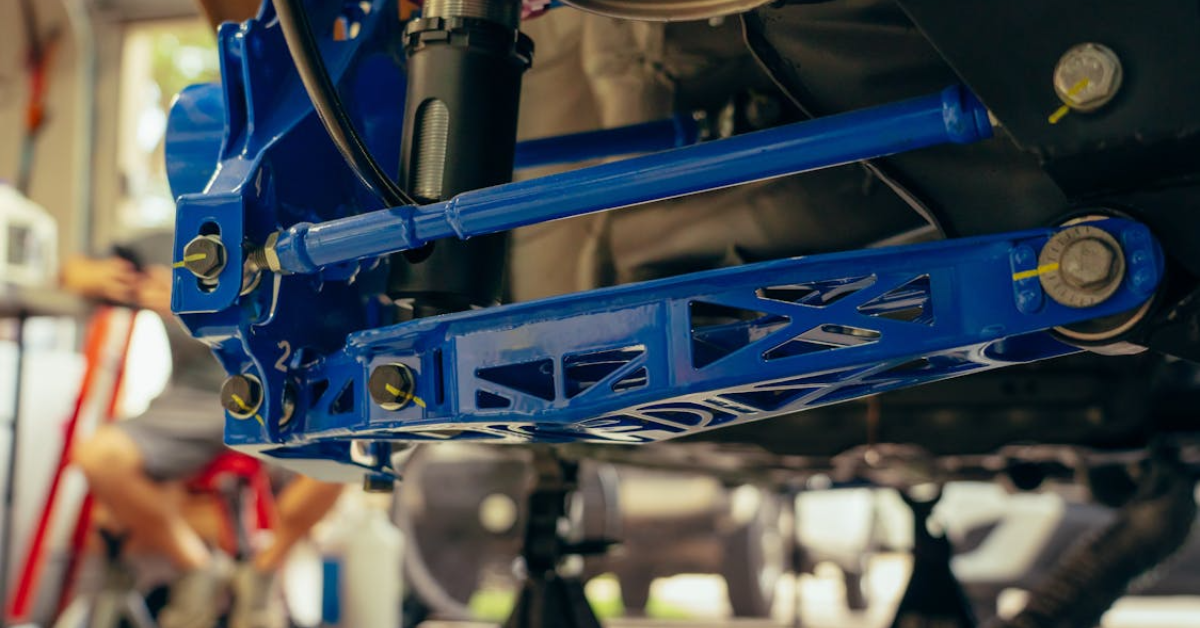
A suspension system includes shocks, struts, springs, and linkages. These parts work together to absorb road bumps and keep your car steady. Think of it like the springs on a mattress; they cushion movement and support weight. Without a healthy suspension, your ride feels rough, and your tires wear unevenly.

Even small problems like worn shocks can affect steering and braking. That is why a suspension inspection checklist is useful for spotting issues early.

1. Uneven Tire Wear

One of the first signs of trouble is uneven tire wear. If your tires look more worn on one side than the other, it could mean your suspension isn’t holding your car level. This happens because worn shocks or struts let your car tilt too much in corners or over bumps.

Check your tires regularly. Uneven wear can also affect fuel efficiency and safety. If you notice this, ask auto repair shops in Holland to do a quick suspension check.

2. The Car Bounces Too Much

Your car should absorb bumps smoothly. If you feel it bouncing excessively after hitting a pothole or speed bump, your shocks or struts may be failing. Bounce tests are simple, you can push down on the hood and see how fast the car settles. If it continues to bounce, it’s time for professional help.

This is often one of the first signs of early suspension wear, and addressing it quickly prevents further damage to your vehicle.

3. Pulling or Drifting While Driving

Does your car pull to one side or drift when driving straight? This could signal worn suspension components or alignment problems. A failing suspension can make it hard to keep your car straight, especially at higher speeds.

Noticing this early allows you to schedule auto suspension repair near you before it affects braking or tire life.

4. Strange Noises

Clunking, squeaking, or rattling noises when driving over bumps often point to suspension issues. These sounds happen when parts like bushings or ball joints become loose or worn.

It may seem minor at first, but ignoring these noises can lead to more expensive repairs. A suspension inspection checklist can help identify the exact problem quickly.

5. Steering Feels Loose or Unresponsive

Your steering should feel precise and stable. If it feels loose, heavy, or unresponsive, your suspension might be to blame. Worn shocks or struts reduce your car’s ability to react correctly to steering input.

Loose steering is a safety concern. Visiting auto repair shops in Holland for a thorough check is important to restore control and confidence while driving.

6. Vehicle Sags or Leans

A sagging or leaning car is a clear sign of suspension problems. This can happen when springs weaken or fail. You may notice your car leaning to one side when parked or having uneven ground clearance.

It’s easy to spot visually, but fixing it quickly through auto suspension repair prevents uneven tire wear and other mechanical stress.

7. Difficulty Braking Smoothly

A failing suspension affects braking. If your car dips forward when braking or feels unstable, the shocks or struts might not be doing their job. This increases stopping distance and reduces safety during emergencies.

Regular checks using a suspension inspection checklist ensure braking performance stays optimal.

How to Prevent Early Suspension Wear?

Suspension issues often start small but can worsen quickly if left unchecked. Taking a few simple steps can help extend the life of your suspension and keep your vehicle safe.

Rotate tires regularly

If tires remain in one position for an extended period, they can start to wear down unevenly. We recommend rotating your tires every 5,000–7,000 miles. This spreads the wear evenly and reduces stress on your shocks and struts. For example, if the front tires wear faster, your car may start pulling to one side, signaling early suspension wear.

Avoid potholes and rough roads

Hitting a pothole or driving on a badly damaged road can bend or break suspension parts. Even small bumps over time can loosen components. Slowing down on rough roads or taking alternate routes helps prevent damage and keeps your ride smooth.

Inspect your suspension system regularly

A simple check can reveal worn shocks, sagging springs, or loose bushings before they become serious problems. Ask your technician to perform a detailed inspection. Catching problems early often saves hundreds of dollars in repairs.

Replace worn components immediately

If you notice worn shocks, broken springs, or squeaky bushings, get them fixed right away. Ignoring these issues can lead to more serious problems, like uneven tire wear or poor braking performance. Acting quickly preserves both safety and comfort.

Schedule routine maintenance

Even if your car feels fine, regular visits to a trusted auto repair shop can prevent hidden suspension issues. Routine checks give your technician a chance to spot small problems before they become major repairs.

FAQs

Q1: How often should I get my suspension checked?

A1: Every 12,000–15,000 miles, or if you notice any of the warning signs listed above.

Q2: Can I drive with a failing suspension?

A2: Short distances are possible, but it’s unsafe for long trips. Repairing early saves money and risk.

Q3: What’s included in a suspension inspection?

A3: A technician checks shocks, struts, springs, bushings, and alignment. They may also look for leaks and damage.

Q4: How much does suspension repair cost?

A4: Costs vary by car and parts needed. Minor repairs may be a few hundred dollars, while major replacements can be higher.

Q5: Can poor roads cause early suspension wear?

A5: Yes, rough roads, potholes, and heavy loads speed up wear. Avoiding extreme conditions helps extend suspension life.

Take Action: Schedule a Suspension Check Today

If you notice any of these warning signs, don’t wait. A quick inspection can prevent further damage and keep you safe on the road. At Cruz Automotive LLC, we provide expert auto suspension repair and a detailed suspension inspection to ensure your vehicle stays in top condition. Trust our team at auto repair shops in Holland to spot issues early and fix them efficiently.

Schedule your appointment today and keep your ride smooth, safe, and reliable.


Suspension Problems That Cause Rough Rides and Uneven Tire Wear

A smooth ride makes driving safer and more comfortable. But if your car feels bumpy, pulls to one side, or your tires wear unevenly, these could be bad suspension symptoms. Your suspension system absorbs shocks from the road and keeps your tires in contact with the surface.

What Is a Car Suspension System?

Your car’s suspension system includes shocks, struts, springs, and linkages. These parts work together to keep the ride smooth and stable. Imagine riding a bicycle over rough ground, without suspension, every bump would jolt you. Cars use suspension to absorb road shocks, maintain tire contact, and keep you safe. Over time, wear and tear can cause components to fail, leading to bad suspension symptoms like rough rides or uneven tire wear.

Common Suspension Problems

Worn Shock Absorbers or Struts

Shocks and struts control how your car reacts to bumps and turns. If they wear out, your vehicle can bounce excessively. You might notice swaying when turning or heavy braking. Worn shocks also increase tire wear, which can create alignment problems. If you see these signs, schedule car suspension repairs in Holland promptly.

Broken or Sagging Springs

Springs support your car’s weight and keep it level. When a spring breaks or sags, one side of the car may sit lower than the other. This can cause uneven tire wear and make steering feel off. Springs may break from age, rust, or carrying heavy loads frequently. Getting suspension repair near you helps restore proper ride height and safety.

Worn Ball Joints or Tie Rods

Ball joints and tie rods connect your wheels to the suspension. If they wear out, your wheels can wobble or feel loose. Driving like this can damage tires and affect steering. Signs include clunking noises and uneven tire wear. Replacing these parts is a common car suspension repair in Holland.

Bushings and Mounts

Suspension bushings are rubber parts that absorb vibration and reduce friction. Worn bushings cause noise, vibrations, and rough handling. Mounts that hold shocks or struts can also wear, leading to poor ride quality. Addressing these issues early prevents further suspension alignment issues.

How Suspension Problems Affect Your Tires?

Uneven tire wear is one of the first clues of suspension trouble. If shocks, struts, or springs fail, your tires do not stay flat on the road. This causes certain areas to wear faster, reducing tire life and safety. You may notice one side wearing more than the other or irregular patterns on the tread. Checking suspension components regularly can prevent costly tire replacement. At Cruz Automotive LLC, we inspect suspension parts and tire alignment to ensure your vehicle drives safely.

Detecting Bad Suspension Symptoms Early

You can identify suspension issues before they become serious. Look for these common bad suspension symptoms:

  • Bumpy or rough rides over normal roads
  • The car pulls to one side while driving
  • Uneven tire wear or bald spots
  • Swaying or bouncing when turning or braking
  • Clunking or rattling noises from the suspension

If you notice any of these signs, it is a good idea to search for suspension repair near you. Early attention prevents bigger problems and keeps you driving safely.

Suspension Alignment Issues Explained

Suspension alignment issues happen when wheels are not perfectly straight or parallel. Poor alignment makes steering harder and causes tires to wear unevenly. Even new tires can wear quickly if alignment is off. A proper alignment adjusts angles like camber, caster, and toe, helping tires last longer. Regular inspections are important, especially after suspension work or hitting a pothole.

Steps for Effective Suspension Repair

Getting your suspension fixed may feel complex, but repair shops follow clear steps:

  1. Inspection – Mechanics check shocks, struts, springs, bushings, and mounts.
  2. Testing Ride Quality – They test the car over bumps and turns.
  3. Alignment Check – Wheels are measured for proper angles and adjusted.
  4. Replacement or Repair – Worn parts are replaced with new, high-quality components.
  5. Final Test Drive – The car is driven to confirm smooth, safe handling.

By following these steps, you can prevent suspension issues and prolong tire life.

Preventing Suspension Problems

You can reduce suspension wear by following simple practices:

  • Avoid potholes and rough roads when possible
  • Replace shocks, struts, and springs at recommended intervals
  • Rotate tires regularly to prevent uneven wear
  • Inspect suspension parts during oil changes or routine service

These actions keep your ride smooth and tires healthy while reducing long-term repair costs.

Why Choose Professional Suspension Repair?

DIY fixes may seem tempting, but suspension work requires experience and proper tools. Improper repairs can worsen suspension alignment issues or cause accidents. Professional services ensure safe and reliable results.

At Cruz Automotive LLC, we provide thorough inspections, expert repairs, and alignment checks. Choosing skilled mechanics protects your car and improves ride comfort.

FAQs

  1. How can I tell if my suspension has gone bad?
    Look for bumpy rides, uneven tire wear, car pulling, or noises from shocks and struts.
  2. Can I drive with bad suspension?
    Short trips may be okay, but driving long distances can be unsafe and damage tires.
  3. How much does suspension repair cost?
    Costs vary by parts and labor. An inspection from a trusted shop provides a precise estimate.
  4. How often should I check my suspension?
    A suspension check every 12,000–15,000 miles or during routine maintenance is ideal.
  5. Can I fix alignment issues myself?
    Alignment requires precision tools. It is safer to use a professional shop.

Keep Your Ride Smooth with Cruz Automotive LLC

Suspension problems can make driving uncomfortable and damage tires. Recognizing suspension issues and addressing them early keeps your car safe. Our team provides expert car suspension repairs in Holland to restore comfort and safety. Schedule a visit today and enjoy a smooth, reliable ride for years to come.

How Worn Brakes Affect Your Car’s Safety and Stopping Distance?

Your brakes help you slow down, stop safely, and stay in control every day. When they wear out, even normal driving can become risky. In the first few minutes behind the wheel, worn parts can already change how fast your car stops. That is why understanding brake pad wear signs matters more than most drivers think.

We often see drivers delay service because the car still moves fine. But braking problems rarely appear all at once. They build slowly and quietly. Learning how worn brakes affect safety helps you make better choices before problems grow.

Why Brakes Are Critical to Everyday Driving Safety?

Brakes do more than stop your car at traffic lights. They help you avoid crashes, handle hills, and react to sudden danger. When everything works right, your car responds fast and smoothly.

Worn brakes reduce that response. The pedal may feel soft, or the car may take longer to slow down. In heavy traffic, even a few extra feet can make a big difference. That delay often leads to rear-end crashes and close calls.

How Braking Systems Work in Simple Terms?

Your braking system uses friction and fluid pressure to slow the wheels. When you press the pedal, brake fluid moves through the lines. This pressure pushes brake pads against spinning rotors. Friction then slows the car.

If one part wears down, the whole system suffers. Thin pads create less friction. Old fluid cannot hold pressure well. Together, these issues increase stopping distance and reduce control.

What Happens When Brake Pads Wear Down?

Brake pads wear down every time you stop. That is normal. Over time, they become thin and less effective.

Thin pads cannot grip the rotor well. This causes slower stops and more heat buildup. Heat makes braking even weaker, especially during sudden stops. Ignoring brake pad wear signs puts extra stress on other brake parts.

Common Brake Pad Wear Signs You Should Never Ignore

Many drivers miss early warning signs. Knowing what to watch for helps you act sooner.

Here are common brake pad wear signs drivers notice first:

  • Squealing or grinding sounds when braking
  • Longer stopping distance during normal driving
  • A shaking steering wheel while slowing down
  • Brake warning lights on the dashboard

These signs usually appear before serious damage occurs. Acting early helps protect safety and saves money later.

How Worn Brakes Increase Stopping Distance?

Stopping distance is how far your car travels after you press the brake. New brakes stop faster because the friction is strong and even. Worn brakes reduce that friction.

For example, a car with worn pads may need several extra feet to stop. At highway speeds, those feet can turn into yards. That extra distance often decides whether you stop safely or hit something ahead.

The Role of Brake Fluid in Safe Stopping

Brake fluid plays a key role in stopping power. It transfers force from your foot to the brakes. Clean fluid holds pressure well, even under heat.

Old or dirty fluid absorbs moisture. This causes a soft pedal and weak response. That is why brake fluid system service is important for safe driving. It keeps pressure steady and braking predictable.

Why Brake Fluid Problems Often Go Unnoticed?

Brake fluid issues rarely make noise. The pedal may feel slightly soft, but many drivers adjust without noticing. Over time, this reduces control during hard stops.

Regular brake fluid system service in Holland helps prevent this problem. Fresh fluid improves response and protects internal brake parts. This service supports shorter stops and better control.

How Worn Brakes Affect Emergency Situations?

In emergencies, every second matters. Worn brakes delay reaction and increase panic. A soft pedal or slow stop makes it harder to avoid sudden hazards.

Imagine a child running into the road or a car stopping fast ahead. Strong brakes help you react calmly. Weak brakes force harder pressure and longer stopping distance, increasing crash risk.

How Brake Wear Affects Other Car Parts?

Ignoring brake wear often causes more damage. Thin pads wear down rotors faster. Old fluid can damage seals and lines.

These extra problems increase brake replacement costs over time. Early service often means replacing pads only. Delayed service may require rotors, fluid, and labor together.

Understanding Brake Replacement Cost in Simple Terms

Many drivers worry about brake replacement cost and delayed service. Costs vary based on wear level and parts needed. Pads cost less than rotors or full system repairs.

Fixing problems early usually saves money. Waiting often leads to bigger repairs and higher bills. Regular checks help control costs and improve safety.

How Often Brakes Should Be Checked?

We suggest checking brakes at least once a year. High-mileage drivers may need checks more often. City driving wears brakes faster than highway driving.

Brake fluid should also be inspected during routine visits. Regular brake fluid system service keeps everything working smoothly and safely.

How Driving Habits Affect Brake Wear?

Your habits affect brake life. Hard stops and heavy loads wear pads faster. Riding the brakes downhill also increases heat and wear.

Smooth driving helps brakes last longer. Leaving space between cars reduces sudden stops. These habits protect your braking system and lower brake replacement costs.

Why Professional Inspections Matter?

Some brake problems hide behind the wheels. Visual checks during inspections catch early wear. Professionals measure pad thickness and fluid condition.

At Cruz Automotive LLC, we focus on clear inspections and honest guidance. We explain what we see and why it matters. This approach helps drivers feel confident about their safety choices.

Signs Your Car Needs Brake Service Soon

Watch for these warning signs:

  • The brake pedal feels soft or low
  • The car pulls to one side when braking
  • Burning smell after short drives
  • Dashboard brake lights

These signs often mean service is overdue. Acting early helps restore safety and comfort.

How Brake Fluid Service Supports Overall Brake Health?

Brake fluid protects more than stopping power. It prevents rust inside brake lines and parts. Clean fluid extends system life.

Regular brake fluid system service in Holland supports consistent pressure and smoother stops. This service pairs well with routine brake inspections.

Simple Steps to Protect Your Brakes

You can protect your brakes with simple habits:

  • Avoid sudden stops when possible
  • Do not overload your vehicle
  • Schedule regular brake checks
  • Follow fluid service intervals

These steps help extend brake life and control brake replacement cost.

FAQs

How do worn brakes affect stopping distance?

Worn brakes reduce friction and pressure. This makes the car travel farther before stopping.

What are the earliest brake pad wear signs?

Squealing sounds and longer stops often appear first. These signs should not be ignored.

How often should brake fluid be replaced?

Most cars need brake fluid system service every two to three years, depending on use.

Can worn brakes affect steering control?

Yes, uneven wear can cause pulling or shaking while braking.

Is it safe to drive with worn brakes short term?

Short trips may feel fine, but safety drops quickly. Delaying service increases risk.

Schedule Brake Service Before Small Issues Grow

Worn brakes affect safety, comfort, and confidence on the road. Understanding brake pad replacement signs, planning for brake replacement cost, and keeping up with brake fluid system service all support safer driving.

We help drivers stay informed and prepared. If your brakes feel different or overdue, now is the right time to act. Proper service today helps keep every stop safe tomorrow.

Top Engine Repair Issues Drivers Face in 2026 and How to Fix Them?

Cars in 2026 are smarter than ever, but engines still break down. At Cruz Automotive, we see this every week while providing engine repair services. Many drivers come in after searching for auto engine repair near you, unsure what went wrong. Most engine problems do not start suddenly. They build up over time through wear, skipped service, or small warning signs being ignored.

Understanding car engine problems helps drivers avoid stress and big repair bills. Knowing common engine issues also makes it easier to act early.

Why Engine Problems Feel More Confusing in 2026?

Engines today are packed with technology. Sensors, computers, and software control how fuel burns and how air flows. This helps cars run cleaner and use less gas. It also means small failures can cause big symptoms.

A loose sensor or dirty part can make the engine shake or lose power. That does not always mean the engine is failing. Many drivers panic when warning lights turn on. In reality, the fix is often simple when caught early.

Driving habits also matter more now. Short trips, heavy traffic, and skipped oil changes slowly wear engines down. Over time, those habits lead to problems that feel sudden but are not.

Engine Misfires That Make Cars Run Rough

Engine misfires are one of the most common issues we see. A misfire happens when fuel does not burn the right way inside the engine. This causes shaking, jerking, or a rough idle. Some drivers also notice a flashing check engine light.

The most common engine misfire causes include worn spark plugs and bad ignition coils. Dirty fuel injectors can also block fuel flow. Vacuum leaks let extra air into the engine and throw things off. In newer cars, a failing sensor can confuse the engine computer.

To fix a misfire, we start with a diagnostic scan. This tells us which cylinder or system has trouble. We then replace worn parts or clean injectors as needed. Once repaired, the engine runs smoother and uses fuel better.

Overheating Engines and Cooling System Trouble

Overheating is still one of the fastest ways to damage an engine. When an engine gets too hot, metal parts can warp. Seals can fail. Repairs become expensive fast.

Modern cooling systems rely on several parts working together. Low coolant is a common issue. Small leaks in hoses or radiators often go unnoticed. Thermostats can stick closed. Electric cooling fans may stop working without warning.

Fixing overheating problems starts with a full cooling system check. We look for leaks, test the thermostat, and check fan operation. Restoring proper coolant flow protects the engine from serious damage.

Oil Problems That Slowly Destroy Engines

Oil keeps engine parts moving smoothly and controls heat. When oil problems show up, damage can happen fast. Many drivers underestimate how serious oil issues are.

Common signs include warning lights, burning smells, or louder engine noise. Oil leaks under the car are another clear signal. In many modern car engine problems, oil issues come from worn seals or gaskets.

We check the oil condition and pressure first. Leaks are traced and repaired before adding fresh oil. Fixing oil problems early helps engines last much longer.

Sensor Failures That Confuse the Engine

Modern engines rely on sensors to make decisions. These sensors measure airflow, exhaust gases, speed, and temperature. When one fails, the engine may hesitate or idle poorly.

Oxygen sensors and mass airflow sensors are common trouble spots. Crankshaft sensors also fail over time. These parts wear out naturally, even with good care. We use diagnostic tools to find the bad sensor. Once replaced, the engine computer is reset. The engine then runs the way it should again.

Timing System Problems That Should Never Be Ignored

The timing system keeps engine parts moving together. If timing slips, engines may stall or fail to start. In severe cases, internal damage can happen.

Warning signs include rattling noises, loss of power, or trouble starting. Check engine lights often appear as well.

Timing repairs involves inspecting belts or chains for wear. Worn parts are replaced, and timing is reset to factory specs. This restores safe and smooth engine operation.

Fuel System Issues That Reduce Power

Fuel systems deliver the right amount of fuel to the engine. When they fail, performance drops quickly. Drivers may notice hesitation or weak acceleration.

Clogged fuel injectors are common. Weak fuel pumps reduce pressure. Dirty fuel filters block proper flow. Poor fuel quality makes these problems worse. Fuel system repairs include pressure testing and injector cleaning. Filters are replaced when needed. Once fuel flow is restored, engines respond better.

Why Warning Lights Should Never Be Ignored?

Many drivers keep driving with warning lights on. They hope the light will turn off by itself. This usually makes things worse.

Warning lights exist to protect the engine. They alert you early so repairs stay small. Ignoring them can turn a simple fix into major engine damage. If a light turns on, get it checked soon. Early diagnosis saves money and stress.

How Driving Habits Affect Engine Health?

Short trips are hard on engines. The engine does not fully warm up, which causes buildup. Heavy traffic also adds strain through heat and stop-and-go movement.

Skipping maintenance adds to the problem. Oil breaks down over time. Filters clog. Fluids lose effectiveness.

Changing habits helps. Drive longer trips when possible. Follow service schedules. Small changes protect engines long-term.

Preventing Engine Problems Before They Start

Prevention is always cheaper than repair. Regular inspections catch small problems early. This keeps engines running longer and smoother.

Stick to factory maintenance schedules. Use the right oil and fuel. Pay attention to strange sounds or smells.

Why Professional Engine Repair Matters?

Modern engines are complex. Guessing leads to wasted time and money. Proper diagnostics find the real problem the first time.

At Cruz Automotive, we focus on accuracy. We fix root causes, not symptoms. This approach saves drivers from repeat visits and surprise costs. Professional tools and experience matter more than ever in 2026.

FAQs

What are the most common engine problems today?

Misfires, sensor failures, oil leaks, and cooling system issues are the most common.

How do I know when engine repair is urgent?

Shaking, overheating, flashing lights, or loud noises mean you should get help soon.

Are newer engines harder to fix than older ones?

They are more complex, but proper diagnostics make repairs accurate and safe.

Can regular maintenance really prevent engine failure?

Yes. Routine service prevents most serious engine damage.

Is it safe to keep driving with a check engine light on?

Sometimes, but it is risky. Small issues can become big problems fast.

Trusted Engine Repair Services in Holland

Engine problems feel stressful, but they do not have to be. Our team provides honest, clear engine repair services backed by experience.

If you are searching for auto engine repair near you, Cruz Automotive is ready to help. We understand modern engine problems, identify engine misfire causes, and fix issues the right way so you can drive with confidence in 2026 and beyond.