Your brakes help you slow down, stop safely, and stay in control every day. When they wear out, even normal driving can become risky. In the first few minutes behind the wheel, worn parts can already change how fast your car stops. That is why understanding brake pad wear signs matters more than most drivers think.
We often see drivers delay service because the car still moves fine. But braking problems rarely appear all at once. They build slowly and quietly. Learning how worn brakes affect safety helps you make better choices before problems grow.
Why Brakes Are Critical to Everyday Driving Safety?
Brakes do more than stop your car at traffic lights. They help you avoid crashes, handle hills, and react to sudden danger. When everything works right, your car responds fast and smoothly.
Worn brakes reduce that response. The pedal may feel soft, or the car may take longer to slow down. In heavy traffic, even a few extra feet can make a big difference. That delay often leads to rear-end crashes and close calls.
How Braking Systems Work in Simple Terms?
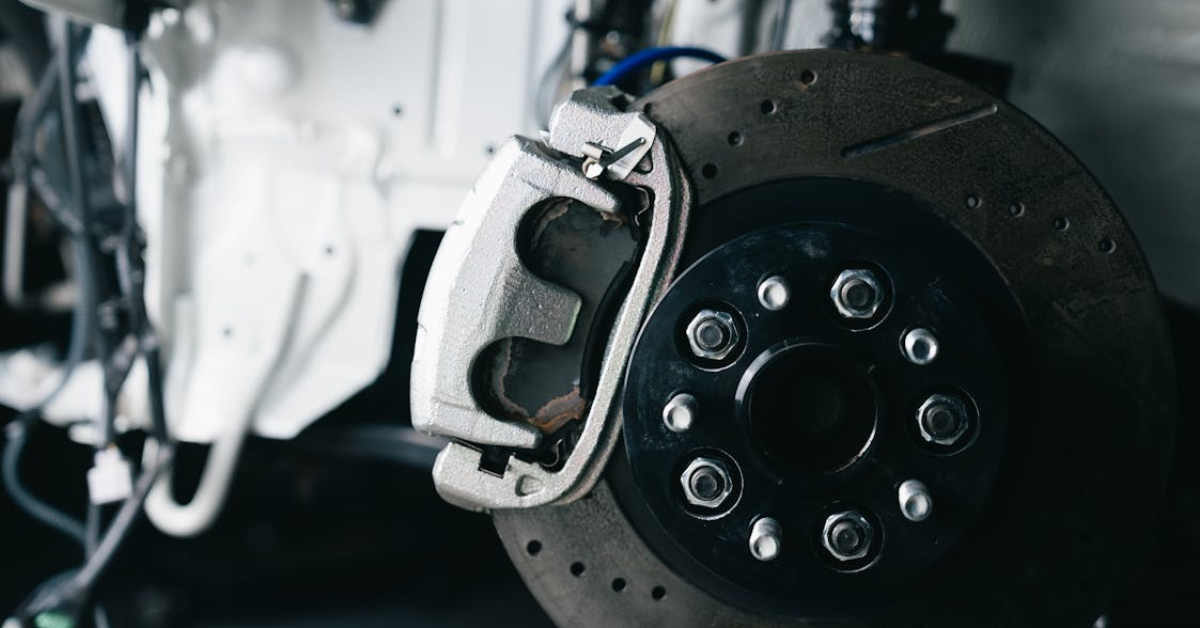
Your braking system uses friction and fluid pressure to slow the wheels. When you press the pedal, brake fluid moves through the lines. This pressure pushes brake pads against spinning rotors. Friction then slows the car.
If one part wears down, the whole system suffers. Thin pads create less friction. Old fluid cannot hold pressure well. Together, these issues increase stopping distance and reduce control.
What Happens When Brake Pads Wear Down?
Brake pads wear down every time you stop. That is normal. Over time, they become thin and less effective.
Thin pads cannot grip the rotor well. This causes slower stops and more heat buildup. Heat makes braking even weaker, especially during sudden stops. Ignoring brake pad wear signs puts extra stress on other brake parts.
Common Brake Pad Wear Signs You Should Never Ignore
Many drivers miss early warning signs. Knowing what to watch for helps you act sooner.
Here are common brake pad wear signs drivers notice first:
- Squealing or grinding sounds when braking
- Longer stopping distance during normal driving
- A shaking steering wheel while slowing down
- Brake warning lights on the dashboard
These signs usually appear before serious damage occurs. Acting early helps protect safety and saves money later.
How Worn Brakes Increase Stopping Distance?
Stopping distance is how far your car travels after you press the brake. New brakes stop faster because the friction is strong and even. Worn brakes reduce that friction.
For example, a car with worn pads may need several extra feet to stop. At highway speeds, those feet can turn into yards. That extra distance often decides whether you stop safely or hit something ahead.
The Role of Brake Fluid in Safe Stopping
Brake fluid plays a key role in stopping power. It transfers force from your foot to the brakes. Clean fluid holds pressure well, even under heat.
Old or dirty fluid absorbs moisture. This causes a soft pedal and weak response. That is why brake fluid system service is important for safe driving. It keeps pressure steady and braking predictable.
Why Brake Fluid Problems Often Go Unnoticed?
Brake fluid issues rarely make noise. The pedal may feel slightly soft, but many drivers adjust without noticing. Over time, this reduces control during hard stops.
Regular brake fluid system service in Holland helps prevent this problem. Fresh fluid improves response and protects internal brake parts. This service supports shorter stops and better control.
How Worn Brakes Affect Emergency Situations?
In emergencies, every second matters. Worn brakes delay reaction and increase panic. A soft pedal or slow stop makes it harder to avoid sudden hazards.
Imagine a child running into the road or a car stopping fast ahead. Strong brakes help you react calmly. Weak brakes force harder pressure and longer stopping distance, increasing crash risk.
How Brake Wear Affects Other Car Parts?
Ignoring brake wear often causes more damage. Thin pads wear down rotors faster. Old fluid can damage seals and lines.
These extra problems increase brake replacement costs over time. Early service often means replacing pads only. Delayed service may require rotors, fluid, and labor together.
Understanding Brake Replacement Cost in Simple Terms
Many drivers worry about brake replacement cost and delayed service. Costs vary based on wear level and parts needed. Pads cost less than rotors or full system repairs.
Fixing problems early usually saves money. Waiting often leads to bigger repairs and higher bills. Regular checks help control costs and improve safety.
How Often Brakes Should Be Checked?
We suggest checking brakes at least once a year. High-mileage drivers may need checks more often. City driving wears brakes faster than highway driving.
Brake fluid should also be inspected during routine visits. Regular brake fluid system service keeps everything working smoothly and safely.
How Driving Habits Affect Brake Wear?
Your habits affect brake life. Hard stops and heavy loads wear pads faster. Riding the brakes downhill also increases heat and wear.
Smooth driving helps brakes last longer. Leaving space between cars reduces sudden stops. These habits protect your braking system and lower brake replacement costs.
Why Professional Inspections Matter?
Some brake problems hide behind the wheels. Visual checks during inspections catch early wear. Professionals measure pad thickness and fluid condition.
At Cruz Automotive LLC, we focus on clear inspections and honest guidance. We explain what we see and why it matters. This approach helps drivers feel confident about their safety choices.
Signs Your Car Needs Brake Service Soon
Watch for these warning signs:
- The brake pedal feels soft or low
- The car pulls to one side when braking
- Burning smell after short drives
- Dashboard brake lights
These signs often mean service is overdue. Acting early helps restore safety and comfort.
How Brake Fluid Service Supports Overall Brake Health?
Brake fluid protects more than stopping power. It prevents rust inside brake lines and parts. Clean fluid extends system life.
Regular brake fluid system service in Holland supports consistent pressure and smoother stops. This service pairs well with routine brake inspections.
Simple Steps to Protect Your Brakes
You can protect your brakes with simple habits:
- Avoid sudden stops when possible
- Do not overload your vehicle
- Schedule regular brake checks
- Follow fluid service intervals
These steps help extend brake life and control brake replacement cost.
FAQs
How do worn brakes affect stopping distance?
Worn brakes reduce friction and pressure. This makes the car travel farther before stopping.
What are the earliest brake pad wear signs?
Squealing sounds and longer stops often appear first. These signs should not be ignored.
How often should brake fluid be replaced?
Most cars need brake fluid system service every two to three years, depending on use.
Can worn brakes affect steering control?
Yes, uneven wear can cause pulling or shaking while braking.
Is it safe to drive with worn brakes short term?
Short trips may feel fine, but safety drops quickly. Delaying service increases risk.
Schedule Brake Service Before Small Issues Grow
Worn brakes affect safety, comfort, and confidence on the road. Understanding brake pad replacement signs, planning for brake replacement cost, and keeping up with brake fluid system service all support safer driving.
We help drivers stay informed and prepared. If your brakes feel different or overdue, now is the right time to act. Proper service today helps keep every stop safe tomorrow.