How Worn Brakes Affect Your Car’s Safety and Stopping Distance?

Your brakes help you slow down, stop safely, and stay in control every day. When they wear out, even normal driving can become risky. In the first few minutes behind the wheel, worn parts can already change how fast your car stops. That is why understanding brake pad wear signs matters more than most drivers think.

We often see drivers delay service because the car still moves fine. But braking problems rarely appear all at once. They build slowly and quietly. Learning how worn brakes affect safety helps you make better choices before problems grow.

Why Brakes Are Critical to Everyday Driving Safety?

Brakes do more than stop your car at traffic lights. They help you avoid crashes, handle hills, and react to sudden danger. When everything works right, your car responds fast and smoothly.

Worn brakes reduce that response. The pedal may feel soft, or the car may take longer to slow down. In heavy traffic, even a few extra feet can make a big difference. That delay often leads to rear-end crashes and close calls.

How Braking Systems Work in Simple Terms?

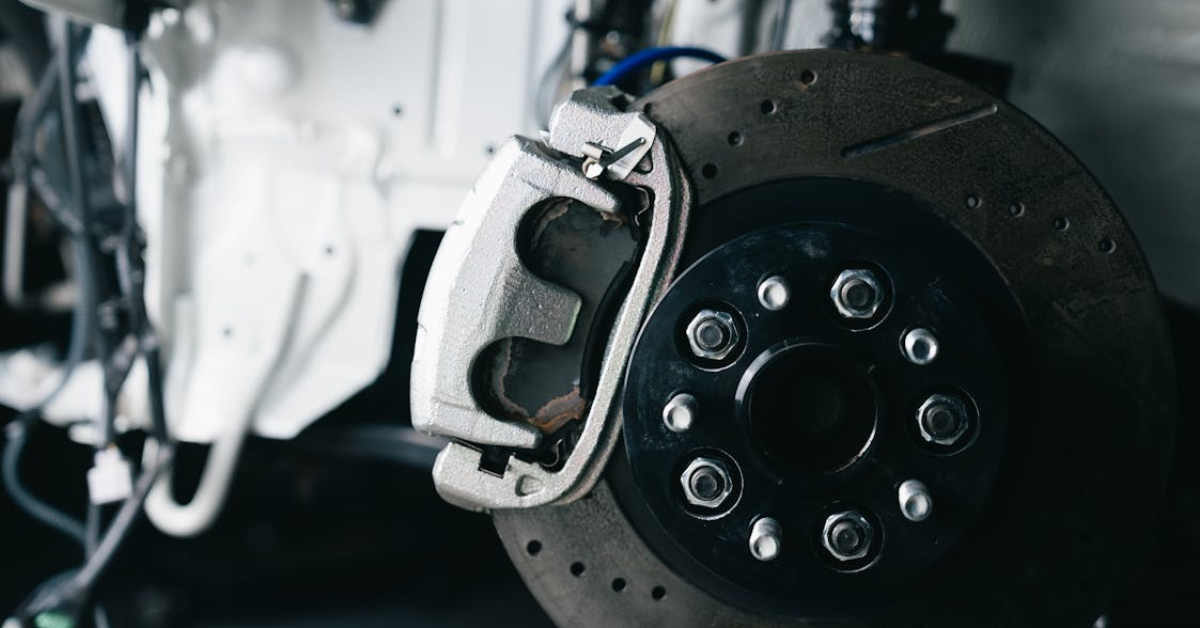
Your braking system uses friction and fluid pressure to slow the wheels. When you press the pedal, brake fluid moves through the lines. This pressure pushes brake pads against spinning rotors. Friction then slows the car.

If one part wears down, the whole system suffers. Thin pads create less friction. Old fluid cannot hold pressure well. Together, these issues increase stopping distance and reduce control.

What Happens When Brake Pads Wear Down?

Brake pads wear down every time you stop. That is normal. Over time, they become thin and less effective.

Thin pads cannot grip the rotor well. This causes slower stops and more heat buildup. Heat makes braking even weaker, especially during sudden stops. Ignoring brake pad wear signs puts extra stress on other brake parts.

Common Brake Pad Wear Signs You Should Never Ignore

Many drivers miss early warning signs. Knowing what to watch for helps you act sooner.

Here are common brake pad wear signs drivers notice first:

  • Squealing or grinding sounds when braking
  • Longer stopping distance during normal driving
  • A shaking steering wheel while slowing down
  • Brake warning lights on the dashboard

These signs usually appear before serious damage occurs. Acting early helps protect safety and saves money later.

How Worn Brakes Increase Stopping Distance?

Stopping distance is how far your car travels after you press the brake. New brakes stop faster because the friction is strong and even. Worn brakes reduce that friction.

For example, a car with worn pads may need several extra feet to stop. At highway speeds, those feet can turn into yards. That extra distance often decides whether you stop safely or hit something ahead.

The Role of Brake Fluid in Safe Stopping

Brake fluid plays a key role in stopping power. It transfers force from your foot to the brakes. Clean fluid holds pressure well, even under heat.

Old or dirty fluid absorbs moisture. This causes a soft pedal and weak response. That is why brake fluid system service is important for safe driving. It keeps pressure steady and braking predictable.

Why Brake Fluid Problems Often Go Unnoticed?

Brake fluid issues rarely make noise. The pedal may feel slightly soft, but many drivers adjust without noticing. Over time, this reduces control during hard stops.

Regular brake fluid system service in Holland helps prevent this problem. Fresh fluid improves response and protects internal brake parts. This service supports shorter stops and better control.

How Worn Brakes Affect Emergency Situations?

In emergencies, every second matters. Worn brakes delay reaction and increase panic. A soft pedal or slow stop makes it harder to avoid sudden hazards.

Imagine a child running into the road or a car stopping fast ahead. Strong brakes help you react calmly. Weak brakes force harder pressure and longer stopping distance, increasing crash risk.

How Brake Wear Affects Other Car Parts?

Ignoring brake wear often causes more damage. Thin pads wear down rotors faster. Old fluid can damage seals and lines.

These extra problems increase brake replacement costs over time. Early service often means replacing pads only. Delayed service may require rotors, fluid, and labor together.

Understanding Brake Replacement Cost in Simple Terms

Many drivers worry about brake replacement cost and delayed service. Costs vary based on wear level and parts needed. Pads cost less than rotors or full system repairs.

Fixing problems early usually saves money. Waiting often leads to bigger repairs and higher bills. Regular checks help control costs and improve safety.

How Often Brakes Should Be Checked?

We suggest checking brakes at least once a year. High-mileage drivers may need checks more often. City driving wears brakes faster than highway driving.

Brake fluid should also be inspected during routine visits. Regular brake fluid system service keeps everything working smoothly and safely.

How Driving Habits Affect Brake Wear?

Your habits affect brake life. Hard stops and heavy loads wear pads faster. Riding the brakes downhill also increases heat and wear.

Smooth driving helps brakes last longer. Leaving space between cars reduces sudden stops. These habits protect your braking system and lower brake replacement costs.

Why Professional Inspections Matter?

Some brake problems hide behind the wheels. Visual checks during inspections catch early wear. Professionals measure pad thickness and fluid condition.

At Cruz Automotive LLC, we focus on clear inspections and honest guidance. We explain what we see and why it matters. This approach helps drivers feel confident about their safety choices.

Signs Your Car Needs Brake Service Soon

Watch for these warning signs:

  • The brake pedal feels soft or low
  • The car pulls to one side when braking
  • Burning smell after short drives
  • Dashboard brake lights

These signs often mean service is overdue. Acting early helps restore safety and comfort.

How Brake Fluid Service Supports Overall Brake Health?

Brake fluid protects more than stopping power. It prevents rust inside brake lines and parts. Clean fluid extends system life.

Regular brake fluid system service in Holland supports consistent pressure and smoother stops. This service pairs well with routine brake inspections.

Simple Steps to Protect Your Brakes

You can protect your brakes with simple habits:

  • Avoid sudden stops when possible
  • Do not overload your vehicle
  • Schedule regular brake checks
  • Follow fluid service intervals

These steps help extend brake life and control brake replacement cost.

FAQs

How do worn brakes affect stopping distance?

Worn brakes reduce friction and pressure. This makes the car travel farther before stopping.

What are the earliest brake pad wear signs?

Squealing sounds and longer stops often appear first. These signs should not be ignored.

How often should brake fluid be replaced?

Most cars need brake fluid system service every two to three years, depending on use.

Can worn brakes affect steering control?

Yes, uneven wear can cause pulling or shaking while braking.

Is it safe to drive with worn brakes short term?

Short trips may feel fine, but safety drops quickly. Delaying service increases risk.

Schedule Brake Service Before Small Issues Grow

Worn brakes affect safety, comfort, and confidence on the road. Understanding brake pad replacement signs, planning for brake replacement cost, and keeping up with brake fluid system service all support safer driving.

We help drivers stay informed and prepared. If your brakes feel different or overdue, now is the right time to act. Proper service today helps keep every stop safe tomorrow.
How to Prepare Your Car for Winter Driving Conditions

Winter driving can be unpredictable and dangerous if your car isn’t ready. Slippery roads, freezing temperatures, and snowstorms all make it harder to get from point A to point B safely. Preparing your car for winter isn’t just about convenience, it’s about protecting yourself, your passengers, and your vehicle. This guide covers essential steps for winter car maintenance, snow driving safety tips, and how Car service Holland MI providers can help you stay road-ready.

Check Your Tires and Brakes

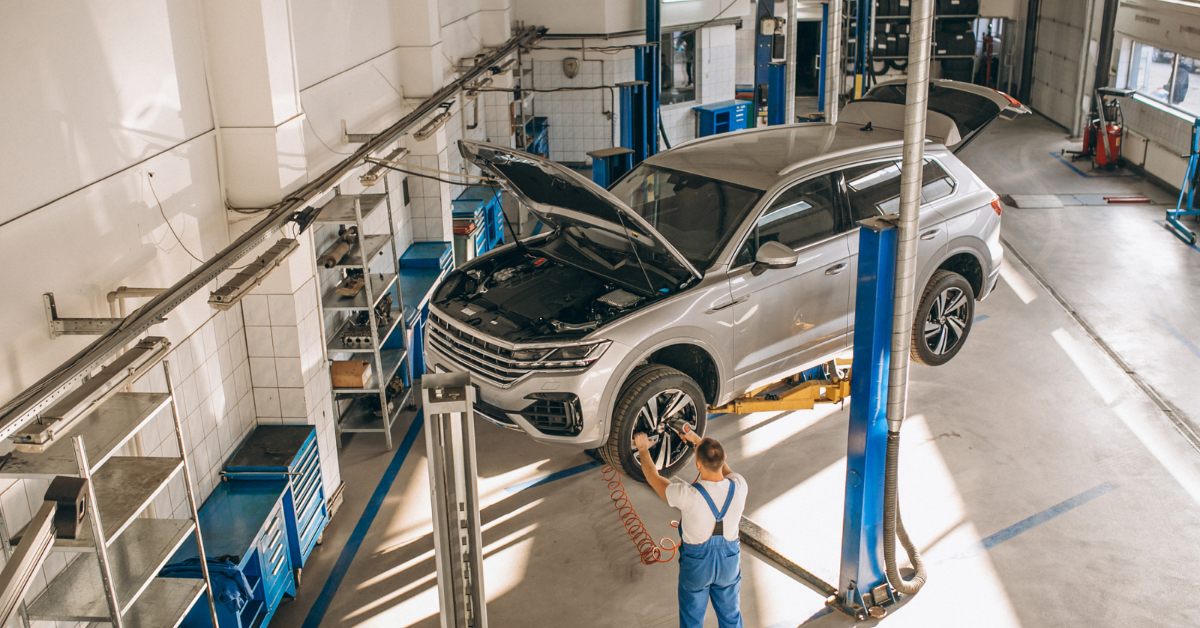
One of the most important steps in preparing for winter is checking your tires and brakes. Tires with proper tread and correct pressure provide better traction on icy or snowy roads. Consider winter tires if you face heavy snow regularly. Brakes also need attention, worn pads or damaged rotors can make stopping on slick surfaces risky. Scheduling a visit to auto repair shops in Holland ensures your tires and brakes are inspected and maintained professionally. Proper care in this area reduces accidents and keeps your car performing safely under winter conditions.

Inspect Fluids and Battery

Fluids play a major role in winter driving safety. Engine oil, coolant, windshield washer fluid, and transmission fluid should all be checked and replaced if necessary. Using winter-grade fluids can prevent freezing and improve performance. Your battery also deserves a checkup. Cold weather reduces battery efficiency, so having a fully charged, healthy battery is crucial. Car service Holland MI providers can test your battery and replace it if needed, ensuring your car starts reliably even on the coldest mornings. Keeping fluids topped off and the battery in good condition helps avoid breakdowns in extreme weather.

Winter Car Maintenance Holland MI Tips

Winter car maintenance Holland MI is more than just tires and fluids. Wiper blades should be strong and streak-free for clear visibility. Inspect your lights, headlights, brake lights, and turn signals must all work properly for safe winter driving. Check the heating system to keep the cabin warm and prevent windows from fogging. Don’t forget the emergency kit: include blankets, a flashlight, extra clothing, a small shovel, and traction aids like sand or kitty litter. Auto repair shops in Holland can provide a thorough winter inspection, giving you peace of mind and saving you from potential winter mishaps.

Snow Driving Safety Tips

Even a well-maintained car can be challenging to drive on snowy or icy roads. Snow driving safety tips include reducing speed, keeping a safe distance from other vehicles, and braking gently to avoid skidding. Avoid sudden movements with the steering wheel and use low gears on steep inclines to maintain control. Make sure your windshield is always clear, and consider keeping a phone charger and emergency contact numbers handy. Staying informed about weather conditions and planning trips carefully also improves safety. Following these tips, along with proper vehicle maintenance, makes winter driving less stressful and far safer.

Key Takeaway

Preparing your car for winter isn’t optional, it’s essential for safety, performance, and peace of mind. From checking tires and brakes to inspecting fluids, battery, and lights, every step contributes to safer winter driving. Snow driving safety tips like slowing down, keeping distance, and planning routes complement proper maintenance to prevent accidents. Car service Holland MI providers and auto repair shops in Holland play a crucial role in readying vehicles for winter. Winter car maintenance Holland MI ensures your car stays reliable through freezing temperatures and snowy conditions. Taking these precautions now saves you time, money, and stress later.

The End Note!

Cruz Automotive encourages drivers in Holland to schedule comprehensive winter inspections. Our team of certified technicians checks brakes, tires, fluids, batteries, lights, and heating systems, providing professional guidance and maintenance. By combining expert service with practical snow driving safety tips, Cruz Automotive ensures your car is prepared for whatever winter brings. Keeping your vehicle in top shape not only enhances safety but also ensures reliable performance throughout the season.

4×4 Transmission Repair – Keeping Your AWD/4WD Vehicle Ready for Adventure

At Cruz Automotive, we understand that your all-wheel-drive (AWD) or four-wheel-drive (4WD) vehicle isn’t just a mode of transportation, it’s your passport to adventure. From muddy trails to snowy mountain escapes, you depend on your drivetrain’s durability and performance every time. That’s why offering top-notch 4×4 transmission repair in Holland is at the heart of our mission. Whether you’re gearing up for your next off-road trip or trying to keep your everyday drive smooth, our experienced technicians at Cruz Automotive are here to ensure your vehicle is ready for anything.

Why Your 4WD or AWD Transmission Matters

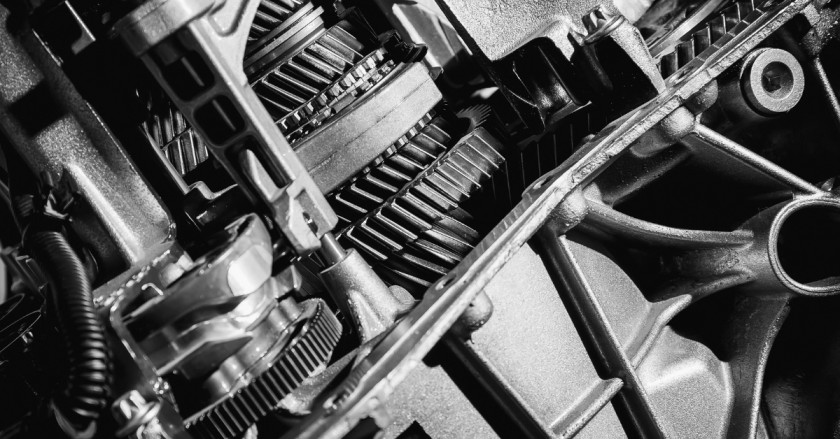
AWD and 4WD systems are designed to distribute power between front and rear axles, sometimes individually to each wheel, to enhance traction and control on uneven, slippery, or challenging terrain. Over time, the additional complexity, like transfer cases, differential systems, and specialized gearsets, can lead to wear issues: fluid degradation, worn clutch packs, leaking seals, or even electronic shift motor failures.

These issues may start as subtle symptoms, like strange noises, shuddering, slow engagement into gear, but if left unattended, they can result in significant damage or even immobilization at the worst possible time.

Our Expert Approach to 4×4 Transmission Repair in Holland

At Cruz Automotive, our approach to 4×4 transmission repair in Holland includes:

  • Professional diagnostics: We start with a comprehensive evaluation, checking fluid condition, scanning transmission control modules, pressure testing, and inspecting transfer cases and differentials.
  • High-quality parts and fluids: We use OEM-grade or higher parts and the correct heavy-duty fluid for your 4WD or AWD system to prevent premature wear and ensure long-term protection.
  • Detailed repairs: From replacing worn clutches or seals to rebuilding transfer cases or torque converters, we handle everything with precision and care.
  • Thorough testing: Post-repair, we take your vehicle on both road and off-road condition simulations to confirm smooth shifting and optimal performance.

Our goal? To minimize downtime and help you stay safe, whether you’re heading through rain-soaked trails, snowy mountain passes, or just the daily commute.

AWD Transmission Service with Cruz Automotive

Not sure if you need a full repair or just maintenance? Our AWD transmission service is a great first step. Routine service can include:

  • Drain and refill with manufacturer-recommended AWD fluid
  • Filter and pan inspection and cleaning
  • Resetting transmission modules as needed
  • Evaluating shifting behavior and transfer case performance

Keeping up with scheduled auto transmission service in Holland is often the difference between minor maintenance and major repair. Regular AWD transmission service helps maintain smooth gear transitions, keeps seals supple, and can extend the life of components like clutches, chains, or bearings.

4WD Gearbox Repair, and When to Act

If you’re facing symptoms like grinding, slipping out of gear while off-roading, or transfer of loud clunks, it’s probably time for 4WD gearbox repair. At Cruz Automotive, we specialize in diagnosing and restoring 4WD gearboxes to rugged, reliable condition.

Steps include:

  1. In-depth inspection of gears, bearings, shafts, and electronic actuators
  2. Component replacement or rebuild, as needed
  3. Precision reassembly with correct torque specs and fluid levels
  4. On-road plus trail testing to verify that shifts are crisp and reliable

By intervening promptly, you’ll save yourself from more costly repairs down the line, and reduce the risk of being stranded mid-adventure.

Why Choose Cruz Automotive in Holland?

Choosing Cruz Automotive means opting for:

  • Transparent pricing and detailed estimates before any work begins
  • Certified technicians experienced in all-wheel-drive and four-wheel-drive systems
  • Fast turnaround, so you’re back on the road or trail as quickly as possible
  • Commitment to quality, because your safety and satisfaction always come first

Whether you’re due for auto transmission service in Holland, looking to schedule a thorough AWD transmission service, or need expert 4×4 transmission repair in Holland, we’ve got you covered.

Ready for Your Next Trip?

Don’t wait for breakdown signs to appear, be proactive. Keeping your AWD or 4WD transmission in top condition not only preserves performance, it gives you the peace of mind to chase new adventures without worry.

For more details on our services, special offers, or to book your appointment, visit us at Cruz Automotive. Trust us to keep your vehicle adventure-ready, because when the road ends, the journey begins.


Emergency Transmission Service – What to Do When Your Car Won’t Shift

When your car refuses to shift gears, it can be more than just frustrating—it can be dangerous. Whether you’re stuck in traffic or trying to back out of your driveway, a non-shifting transmission often signals an urgent problem that demands immediate attention. At Cruz Automotive, we know how crucial your vehicle’s transmission is to its overall performance and safety. That’s why we’re breaking down what to do if you find yourself in this situation and why it’s important to seek emergency transmission service near you as soon as possible.

Understanding the Problem: Why Your Transmission Won’t Shift

If your automatic transmission is not shifting, the issue can stem from several causes—some minor and others more serious. Common reasons include:

  • Low or contaminated transmission fluid 
  • Worn-out transmission bands or clutches 
  • Electronic sensor failure 
  • Faulty shift solenoids 
  • Transmission control module issues 
  • Mechanical damage inside the transmission 

In many cases, the problem develops over time, starting with minor gear hesitation or slipping, until one day, your car simply refuses to move out of park or drive.

What to Do Immediately

  1. Don’t Force the Shifter
     If your transmission isn’t engaging, forcing the gear lever can cause more damage. If you drive an automatic, check if the brake pedal is fully depressed, which is required to shift out of park.
  2. Check Transmission Fluid Levels
     Pull over safely, turn off the car, and check the transmission fluid if your vehicle has a dipstick for it. Low or burnt-smelling fluid can be a major red flag and a common cause of shifting issues.
  3. Turn Off and Restart the Vehicle
     Sometimes, especially with modern electronically controlled transmissions, restarting the engine can reset the sensors and clear temporary glitches.
  4. Listen and Observe
     Pay attention to unusual noises like grinding or clunking, dashboard warning lights, or whether the issue affects all gears or just specific ones. This information will help when you seek professional help.
  5. Call for Emergency Transmission Service Near You
     When in doubt, call a trusted professional. A certified mechanic can perform diagnostic testing to identify the issue accurately. At Cruz Automotive, our team is equipped to handle urgent situations with precision and care.

When to Call Cruz Automotive

If you’re in the Holland area and experiencing a shifting issue, Cruz Automotive offers reliable transmission repair service in Holland with a focus on fast diagnostics, accurate repairs, and honest communication. Whether it’s a worn clutch pack or a failed solenoid, we have the expertise to get your transmission working properly again.

We prioritize emergencies and can often get your vehicle assessed the same day. Our technicians use advanced diagnostics to pinpoint the root cause of the problem—saving you time and preventing unnecessary repairs.

Why Immediate Service Matters

Ignoring a shifting problem can lead to bigger, more expensive repairs down the road. In many cases, the longer you drive with a malfunctioning transmission, the more damage it causes. That’s why you should always take a non-shifting vehicle seriously and seek emergency transmission service near you at the first sign of trouble.

Preventive Tips to Avoid Transmission Failure

  • Regularly check and change your transmission fluid 
  • Don’t overload your vehicle 
  • Allow the car to warm up before driving in cold weather 
  • Keep up with scheduled maintenance 
  • Address small problems before they grow 

Transmission issues don’t have to derail your day—or your budget. With proper care and early attention, you can avoid a complete breakdown and costly rebuild.

Contact Cruz Automotive Today!

If your automatic transmission is not shifting or you’re concerned about the performance of your vehicle, don’t wait. Contact Cruz Automotive for expert transmission repair service in Holland. Our ASE-certified technicians are ready to help, whether it’s a quick fix or a major repair. We’re committed to getting you back on the road safely and efficiently.

Give us a call today or stop by our shop to get started with a transmission diagnostic. Emergency transmission service near you is just a phone call away—trust Cruz Automotive to keep your car in gear.