What Causes Excessive Engine Oil Consumption? Causes, Diagnosis & Fixes

Excessive engine oil consumption happens when your engine burns or leaks too much oil. Most engines use about one quart every 3,000 to 5,000 miles. Some cars lose oil much faster. This can happen because of worn parts or leaks. Common causes include worn piston rings, bad valve seals, a clogged PCV valve, turbo problems, or leaks. Catching the problem early saves your engine and your wallet.

A good auto shop can check your oil use fast. Shops help all kinds of drivers, from daily commuters to owners of high-mileage cars. Mechanics can tell if oil loss comes from a leak or from burning inside the engine.

Quick Answer Box

Question Answer
What is excessive oil consumption? Using more oil than normal between oil changes.
Is burning oil bad? Yes. It can hurt the engine and catalytic converter.
Can oil disappear without leaks? Yes. The engine may be burning it inside.
What color smoke means burning oil? Blue or gray smoke.
Can cheap oil cause more oil use? Yes, in some engines.

What Is Excessive Engine Oil Consumption?

Excessive engine oil consumption is when an engine burns or leaks more oil than the manufacturer considers normal between oil changes. Most healthy engines use about one quart every 3,000 to 5,000 miles. If your car needs a quart every 1,000 miles or less, something is wrong. The two root causes are internal oil burning and external oil leaks, each with a different fix.

Normal Oil Use vs. Excessive Oil Use

A little oil loss is normal in every engine. What counts as “normal” depends on a few factors:

Factor Effect on Oil Use
Vehicle age Older engines burn more oil
Mileage Higher mileage means more wear
Turbocharged engine Turbos naturally use more oil
Driving style Hard driving raises oil use
Towing Heavy loads raise oil use
High-performance engine Built to run hotter, burns more oil

Your owner’s manual lists the exact oil use your manufacturer allows. Anything well beyond that number is excessive.

Signs Your Engine Is Using Too Much Oil

Watch for these signs together, not just one:

  • Oil level drops fast between checks
  • You keep topping off oil
  • Blue or gray exhaust smoke
  • A burning oil smell in the cabin or engine bay
  • Fouled or oily spark plugs
  • Engine misfires or runs rough
  • Low oil warning light turns on
  • Gas mileage drops
  • Carbon buildup on parts

What Causes Excessive Engine Oil Consumption?

Every cause below falls into one of two buckets: oil burning inside the engine, or oil leaking outside of it.

Worn Piston Rings (Internal)

Piston rings seal the gap between the piston and the cylinder wall. Worn rings let oil slip into the combustion chamber, where it burns with the fuel. This causes blue exhaust smoke and lower engine power. It’s one of the most expensive causes to fix.

Worn Valve Stem Seals (Internal)

Valve seals keep oil out of the cylinders when the valves open and close. Cracked or hardened seals let oil past, especially right after startup. A puff of blue smoke that clears after a few minutes points to this cause.

Faulty PCV Valve (Internal)

The PCV valve releases pressure from the crankcase, the sealed space below the cylinders. A failed valve pulls oil vapor into the intake instead of venting it safely. The engine then burns that oil. This is one of the cheapest fixes on this list, often under $50.

Turbocharger Seal Failure (Internal)

Turbo seals keep oil separate from the air intake. Worn seals let oil leak straight into the intake system. Blue smoke that gets worse under hard acceleration is the clearest sign of this cause.

Head Gasket Failure (Internal)

The head gasket seals the engine block to the cylinder head. A failed gasket lets oil and coolant mix. This usually causes white smoke, an overheating engine, and a sweet smell from the exhaust.

Cylinder Wall Wear (Internal)

High-mileage engines wear down the cylinder walls over time. This breaks the seal with the piston rings and lowers compression. Oil burning increases gradually as the wear gets worse.

External Oil Leaks

Unlike internal burning, leaks show up as spots under the car, not smoke from the tailpipe. Common leak points include:

  • Oil pan gasket
  • Valve cover gasket
  • Oil filter housing
  • Drain plug
  • Timing cover

Wrong Engine Oil

Oil that’s too thin, too thick, or low quality for your engine can raise oil use. Always match the oil viscosity to your manufacturer’s specification.

Oil Leak vs. Oil Burning: How to Tell the Difference

Sign Oil Leak Oil Burning
Where you see it Spots under the car Smoke from the tailpipe
Engine exterior Dirty or oily Usually clean
Smell Burning smell near the engine Smell from the exhaust
Spark plugs Normal Fouled or oily
Visible evidence Wet seals, drips No visible drips

How Mechanics Diagnose Excessive Oil Consumption?

A shop typically works through this order to isolate the cause:

  1. Visual inspection — check for wet seals, gaskets, and drips
  2. Oil level tracking — measure loss over a set number of miles
  3. Compression test — checks how well cylinders seal
  4. Leak-down test — measures air loss per cylinder, pinpoints rings vs. valves
  5. PCV system check — tests valve function and vacuum
  6. Spark plug inspection — oily plugs point to internal burning
  7. Borescope inspection — a small camera views inside the cylinder
  8. UV dye test — dye added to oil glows under UV light to trace leaks
  9. Turbo inspection — checks for worn seals or bearings
  10. Engine scan — pulls stored fault codes from the computer

How Is Excessive Oil Consumption Fixed?

Cause Typical Repair Relative Cost
Faulty PCV valve Replace valve Low
Worn valve seals Replace seals Moderate
Gasket or seal leak Replace gasket/seal Low–Moderate
Turbo seal failure Rebuild or replace turbo High
Worn piston rings Engine rebuild Very High
Cylinder wall wear Engine overhaul Very High
Wrong oil viscosity Oil change, correct viscosity Low

Can You Keep Driving With Excessive Oil Consumption?

You can often drive short-term if you check the oil level often and top it off as needed. But this is a short-term fix, not a solution. Running low on oil can cause the engine to seize, a failure that usually means a full engine replacement. Burned oil also clogs the catalytic converter over time. The longer you wait, the more the repair tends to cost.

When Should You See a Mechanic?

Book an inspection right away if you notice any of these:

  • Blue or gray exhaust smoke
  • Fast, unexplained oil loss
  • Knocking or ticking noises
  • Low oil pressure warning
  • Engine overheating
  • Any warning light staying on

How to Prevent Excessive Oil Consumption?

  • Follow your manufacturer’s oil change schedule
  • Use the oil viscosity your manufacturer recommends
  • Replace the PCV valve on schedule
  • Fix small leaks before they grow
  • Avoid letting the engine overheat
  • Check the oil level once a month
  • Have turbo systems serviced regularly
  • Use quality oil filters

FAQs

What causes an engine to use too much oil?

The most common causes are worn piston rings, bad valve seals, a failed PCV valve, turbo seal failure, external leaks, or the wrong engine oil.

Is it normal for older engines to use more oil?

Yes, older and high-mileage engines often use more oil due to normal wear. But a sudden increase should always be checked by a mechanic.

What color exhaust smoke means the engine is burning oil?

Blue or gray smoke from the tailpipe is the clearest sign that oil is entering the combustion chamber and burning with the fuel.

How do I know if my engine is leaking oil or burning it?

If you’re checking for the difference, a leak leaves spots under the car, while burning oil causes blue smoke with no puddles at all.

Can a bad PCV valve really cause oil loss?

Yes, a failed PCV valve pulls extra oil vapor into the intake system, and the engine burns that oil during normal combustion.

Does thicker oil stop excessive oil consumption?

Thicker oil can reduce oil use in some older engines, but only try this if your mechanic confirms it’s safe for your specific engine.

Is fixing excessive oil consumption expensive?

Cost depends entirely on the cause. A PCV valve fix costs very little, while worn piston rings or an engine rebuild cost thousands.

How often should I check my oil if my engine is using too much?

Check the oil every few hundred miles until the issue is fixed, so you never risk running the engine on dangerously low oil.

Ready for a Diagnosis?

If your engine is burning or leaking oil, don’t wait for it to get worse. Cruz Automotive runs full diagnostics, from compression tests to UV leak detection, to find the exact cause and fix it right the first time. Book your visit today and protect your engine before a small problem turns into a big repair.

10 Early Signs Your Engine Is Losing Power

Your car used to zip onto the highway without a second thought. Now it feels tired, almost like it’s dragging its feet. That change is often the first hint of your engine losing power, and it rarely fixes itself. In this guide, we’ll walk through the early warning signs, explain why they happen, and help you know when it’s time to get your engine checked.

Why Power Loss Deserves Your Attention?

Engine power loss doesn’t usually show up overnight. It creeps in slowly, one small symptom at a time. That’s exactly why so many drivers miss it until the problem grows bigger and pricier to fix.

Catching signs of engine problems early can save you from a breakdown on the road. It can also protect your wallet from a much larger repair bill later. Below, we break down the ten most common signs, grouped so nothing overlaps and nothing gets missed.

1. Sluggish Acceleration From a Stop

If your car feels slow leaving a red light, that’s a classic early sign. The engine should respond quickly when you press the gas. A delay often points to fuel delivery or air intake trouble.

2. Engine Not Accelerating on the Highway

Merging onto the highway should feel smooth and confident. When your engine is not accelerating the way it used to, something is holding back its power output. This often means clogged filters or a failing sensor.

3. Trouble Climbing Hills

A healthy engine handles hills without much fuss. If your car strains, downshifts constantly, or loses speed going uphill, the engine may not be producing full power anymore.

4. Hesitation or Stumbling Under Load

Some engines hesitate right when you need power most, like passing another car. This stumble usually points to an ignition or fuel delivery issue that needs a closer look.

5. Rough or Shaky Idle

Sit at a stoplight and pay attention. A rough, shaky idle paired with weak acceleration often signals engine performance issues tied to spark plugs or fuel injectors.

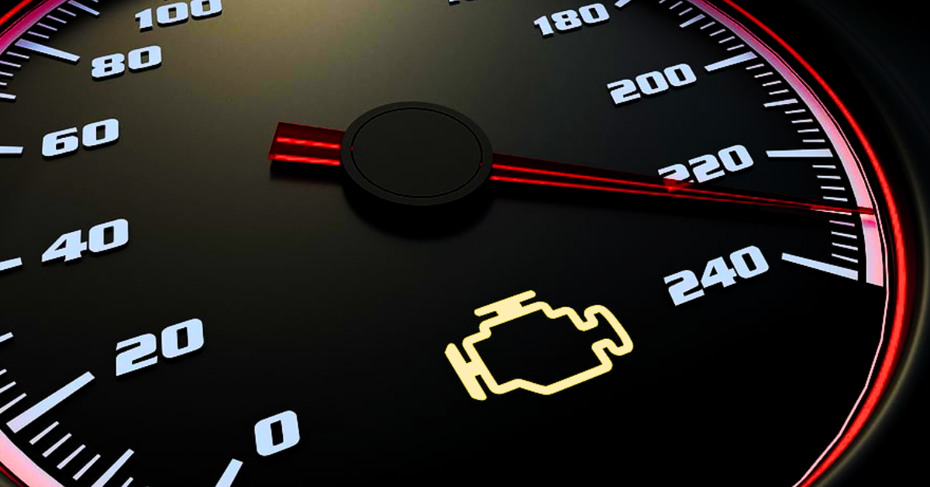
6. Check Engine Light Paired With Weak Power

The check engine light alone doesn’t always mean trouble. But when it appears alongside noticeably weaker power, it’s a strong signal your engine’s computer has detected a real fault.

7. Lower Top Speed Than Usual

If your car used to hit highway speed easily but now tops out lower than before, the engine is likely losing power output. This is easy to overlook but shouldn’t be ignored.

8. Worse Gas Mileage for the Same Driving

Filling up more often without changing your driving habits is a red flag. Your engine may be working harder to produce the same power, burning extra fuel in the process.

9. Vibration or Shaking During Acceleration

A misfire often feels like a light shake or pulse when you press the gas. This is one of the more noticeable signs of engine problems, especially at higher speeds.

10. Delayed Response When You Press the Gas Pedal

A slight pause between pressing the pedal and feeling the car respond is a subtle but telling sign. Over time, this delay tends to grow worse if left alone.

Quick Reference: Signs and What They Might Mean?

Sign Likely Cause Urgency Level
Sluggish start-off Fuel delivery, clogged filter Moderate
Weak highway merging Sensor or air intake issue Moderate
Struggling uphill Reduced compression, fuel issue Moderate
Hesitation under load Ignition or fuel system High
Rough idle Spark plugs, injectors Moderate
Check engine light + weak power Multiple possible causes High
Lower top speed General power loss Moderate
Poor gas mileage Engine working inefficiently Low to Moderate
Vibration while accelerating Misfire High
Delayed throttle response Sensor or fuel delivery Moderate

What Usually Causes Engine Power Loss?

To keep things clear, we can group most causes into four simple categories. This helps avoid overlap and covers every likely source of trouble.

  • Fuel system issues – Clogged filters, dirty injectors, or a weak fuel pump can starve the engine of what it needs to run strong.
  • Air intake problems – A dirty air filter or faulty sensor throws off the fuel-to-air ratio, leading to engine power loss over time.
  • Ignition system faults – Worn spark plugs or failing coils cause misfires, which directly rob the engine of power and smoothness.
  • Mechanical wear – Low compression, a worn timing component, or internal damage can reduce the engine’s ability to generate power altogether.

When to Get Your Engine Checked?

Not every symptom means a major repair. Still, waiting too long tends to turn a small fix into a bigger one. If you notice two or more signs from this list together, it’s worth scheduling a diagnostic scan soon.

A proper scan reads the engine’s computer and points a technician toward the real cause. This beats guessing and helps avoid paying for parts that were never the problem.

FAQs

Can a dirty air filter really cause power loss?

Yes. A clogged air filter restricts airflow to the engine. This throws off the fuel mix and reduces power, especially during acceleration or highway driving.

Is it safe to keep driving with reduced engine power?

Short trips may be fine, but it’s risky long-term. Reduced power often points to a growing issue that can worsen quickly without attention.

How much does it cost to fix engine power loss?

Costs vary widely depending on the cause. A sensor replacement may cost far less than fixing a mechanical issue like low compression.

Does bad gas cause a loss of engine power?

Low-quality fuel can contribute to weaker performance over time. It may clog injectors or leave deposits that affect combustion efficiency.

Can cold weather affect engine power?

Yes, cold temperatures can temporarily reduce power output. But if the issue lasts beyond warm-up time, it likely points to a separate problem.

Ready to Get Your Engine’s Power Back?

If any of these signs sound familiar, please don’t wait until it turns into a bigger repair. We always recommend getting a proper diagnostic scan the moment your engine starts feeling off. That one step can save you time, stress, and money down the road.

Our team at Cruz Automotive is here to help Holland drivers get to the bottom of engine power issues quickly and honestly. Reach out to us, and we’ll walk you through exactly what your engine needs to feel strong again.

Engine Knocking vs. Engine Ticking: What’s the Difference and When Should You Worry?

Every car makes noise. But some sounds make our stomach drop a little. If your engine has started making a strange tap, click, or thud, you are probably wondering what it means. Engine noise can point to something small, or it can point to something serious. In this guide, we break down engine knocking and engine ticking, what causes each one, and when it’s time to get your car checked out.

We have worked with plenty of drivers who heard a weird sound and hoped it would just go away. Sometimes it does. Often, it does not. Knowing the difference between these two noises can save you a lot of stress, and a lot of money too.

What Is Engine Ticking?

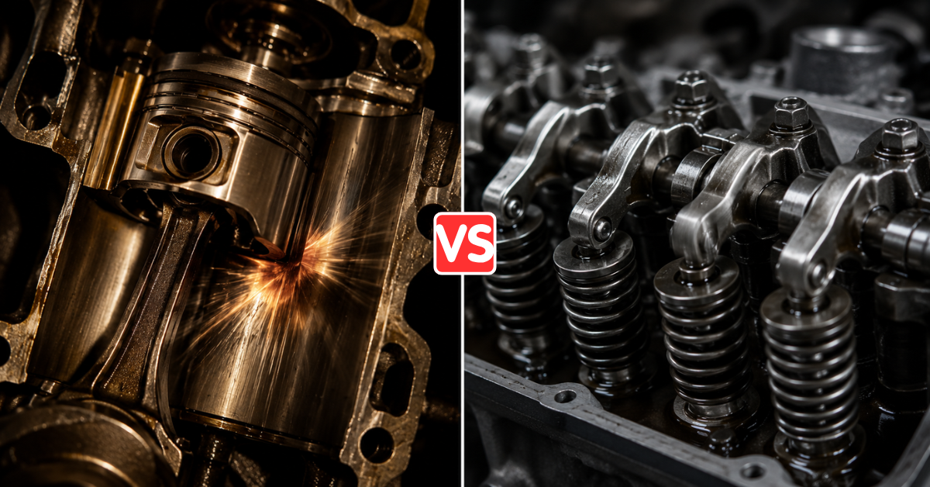
Engine ticking is a light, fast tapping sound. It usually comes from the top of the engine, near the valve cover. Think of it like a tiny hammer tapping quickly and evenly. This sound often comes from the valvetrain. That’s the group of parts that open and close your engine’s valves at just the right moment. When oil pressure drops or a part wears down, these pieces can knock against each other slightly. That small gap creates the tick.

A ticking noise is usually loudest when the engine is cold. It often fades once the car warms up and oil starts flowing better. This pattern is a helpful clue when trying to figure out what you are dealing with.

What Is Engine Knocking?

Engine knocking sounds completely different. It’s a deeper, heavier bang or thud. Many drivers describe it as marbles rattling around inside a metal can. This sound usually comes from lower in the engine. It often points to a problem with the connecting rods, the parts that link the pistons to the crankshaft. When there’s too much space between these parts and the crankshaft, they slam into each other with every rotation. That’s your engine knocking sound.

Unlike a tick, knocking tends to get louder as you accelerate or drive uphill. It does not usually fade once the engine warms up. This is one of the clearest signs that something serious is going on.

Engine Knocking vs. Engine Ticking: Key Differences

Comparing these two noises side by side makes the difference much easier to spot. Here’s a simple breakdown of engine knocking vs engine ticking.

Feature Engine Ticking Engine Knocking
Sound Light, fast tapping Deep, heavy banging
Location Top of engine (valve area) Lower engine (near crankshaft)
When it’s loudest Cold start, idle Under load or acceleration
Changes with warm-up Often fades as engine warms Stays the same or worsens
Urgency Worth checking soon Needs attention right away
Common cause Low oil, worn valvetrain part Worn rod bearings

This table gives a quick snapshot. But real cars do not always follow the script exactly, so it always helps to have a professional take a listen.

What Causes Engine Ticking?

A few common issues lead to that light tapping sound. Here are the usual suspects:

  • Low oil level or old, dirty oil
  • Worn or failing lifters in the valvetrain
  • A bent pushrod or rocker arm
  • Air bubbles mixed into the oil
  • A small exhaust leak near the manifold

Most of these causes start mild. But if ignored for too long, a simple tick can wear down other parts nearby. That turns a cheap fix into a bigger repair job.

What Causes Engine Knocking?

Knocking almost always points to wear inside the bottom end of the engine. Common causes include:

  • Worn connecting rod bearings
  • Long periods of low oil pressure
  • Sudden oil starvation, even for a short time
  • High mileage without regular oil changes
  • Using the wrong grade or quality of oil

Once bearings wear down enough to knock, the clearance keeps growing. This means the noise usually gets worse, not better, over time.

When Should You Worry?

Here’s the simple truth: both noises deserve attention, but knocking is the bigger red flag.

A mild tick is a warning sign, not a full emergency. It’s worth booking a check soon, especially if it doesn’t fade after the engine warms up. Knocking, though, means real engine damage may already be underway. Driving on a knocking engine for too long can lead to a hole in the engine block or complete engine failure.

If you notice any of these signs along with the noise, treat it as urgent:

  • The check engine light turns on
  • You notice a drop in power
  • The oil pressure warning light comes on
  • You see metal flecks in the oil
  • The noise gets louder no matter what you do

What To Do If You Hear a Strange Engine Noise?

Here’s a simple step-by-step approach we recommend to any driver:

  1. Note when the noise happens. Is it worse cold or warm? At idle or while driving?
  2. Check your oil level and condition. Low or dirty oil is often the easiest fix.
  3. Avoid hard acceleration until the car is checked.
  4. Get the engine inspected as soon as possible, especially for a deep knocking sound.
  5. Ask for a full diagnostic, not just a quick listen. A trained ear paired with proper tools gives the most accurate answer.

Catching the issue early almost always costs less than waiting.

FAQs

Can I still drive my car if it’s making a ticking noise?

A mild tick is usually safe for short trips, but it’s smart to get it checked soon. Waiting too long can turn a small issue into a bigger repair.

Is engine knocking always serious?

Yes, in most cases. Knocking usually means worn bearings or metal-to-metal contact inside the engine, which can quickly lead to major damage.

Why does my engine tick only when it’s cold?

Cold oil takes longer to reach the valvetrain. Once oil pressure builds up, many minor ticks fade or disappear completely.

Can low oil cause engine knocking?

Yes. Running an engine low on oil, even briefly, can wear down bearings fast and lead to a knocking sound over time.

How much does it cost to fix engine knocking?

Costs vary widely depending on the cause. Some repairs need bearing replacement, while severe cases may require a full engine rebuild.

Ready to Get That Noise Checked Out?

Strange engine sounds are never fun to hear, and they’re even worse to ignore. Whether it’s a light tick or a heavy knock, catching the problem early puts you back in control. We always tell drivers the same thing: trust your ears, and don’t wait for a small noise to become a big bill.

If your engine is making a sound that doesn’t feel right, our team at Cruz Automotive is happy to take a listen and give you honest answers. We believe every driver deserves a clear explanation, not just a repair quote. Reach out, and let’s figure out what your engine is trying to tell you.

Can You Drive With a Check Engine Light On? What Holland Drivers Should Know

Your check engine light is your car’s way of waving a flag and saying something needs a closer look. Sometimes it’s nothing serious, like a gas cap that didn’t click shut all the way. Other times it’s the first sign of something bigger brewing under the hood. Either way, it’s not a light thing to shrug off, since waiting too long can turn a cheap fix into a repair bill that really stings.

So, can you keep driving when that light pops on? Sometimes yes, but it depends on whether the light is steady or flashing. That one detail changes everything. Let’s walk through what the light actually means, when it’s fine to keep driving, and when you should pull over instead.

What Does the Check Engine Light Mean?

How does the Engine Monitoring System work?

Modern vehicles run on an OBD-II system, a network of sensors that keeps tabs on your engine, fuel mix, and emissions. When something falls outside the normal range, the system logs a diagnostic trouble code (DTC) and lights up your dash. Think of it like a smoke detector. It doesn’t always mean fire, but it’s telling you to check things out.

Common Reasons a Check Engine Light Comes On

A loose or damaged gas cap is one of the most common culprits, and it’s an easy fix. A failing oxygen sensor can also flip the light on, along with worn-out spark plugs or ignition coils that aren’t firing right. Sometimes it’s a mass airflow sensor acting up, a problem brewing in the catalytic converter, or an EVAP system leak affecting how your car handles fuel vapor. The light alone doesn’t tell you much, so you’ll need to know which of these is actually going on.

Can You Continue Driving With a Check Engine Light On?

You can usually drive short distances with a solid check engine light if your car otherwise feels normal. A flashing check engine light is a different story. It often means there’s an active engine misfire happening right now, and pushing through it can lead to expensive engine or catalytic converter damage.

Solid Check Engine Light vs. Flashing Check Engine Light

A solid check engine light is usually the less urgent of the two. It typically points to a non-emergency fault, and your car will probably still drive the way it normally does. That said, don’t just forget about it. Go ahead and get a diagnostic check scheduled soon, even if it’s not a same-day emergency, and keep an eye on your fuel economy in the meantime since a solid light can quietly drag it down.

A flashing check engine light is your car telling you something is wrong right now, usually an active misfire. The longer you keep driving on it, the more pressure you’re putting on your catalytic converter, which isn’t cheap to replace, and performance can drop off pretty suddenly too. If that light starts flashing, pull over as soon as you can do it safely and get the vehicle looked at before going any further.

Warning Signs That Mean You Should Stop Driving Immediately

  • A flashing check engine light
  • Engine shaking or rough idling
  • Noticeable loss of power
  • Engine overheating
  • Smoke coming from the exhaust
  • A strong fuel smell
  • Odd knocking or grinding noises
If your light is flashing and your car feels off, pull over safely as soon as you can and call for professional diagnostics. Driving any further could turn a repair into a replacement.

What Happens If You Ignore a Check Engine Light?

Putting off a checkup rarely saves money in the long run. Here’s what tends to happen when that light gets ignored for too long.

  • Higher repair costs: small issues turn into bigger, pricier ones
  • Worse fuel efficiency: your engine burns more gas than it should
  • Emissions system damage: a small leak can wreck the whole system over time
  • Engine damage: misfires and lean conditions can wear parts down fast
  • Failed inspections: an active light usually means a failed emissions test

How to Check Why the Light Is On?

Use an OBD-II Scanner

A basic OBD-II scanner plugs into your car and pulls up the stored trouble code in seconds. Many auto parts stores will even read it for free.

Visit a Professional Repair Shop

A trained technician can read the code, inspect the related parts, and confirm what’s actually wrong instead of just guessing.

Understand Diagnostic Trouble Codes (DTCs)

  • P0300 – Random engine misfire
  • P0420 – Catalytic converter efficiency issue
  • P0171 – Lean fuel condition

Can a Check Engine Light Turn Off by Itself?

Sometimes, yes. A temporary fault or an intermittent sensor glitch can clear on its own after a few drive cycles. But here’s the catch: even if the light turns off, the trouble code usually stays stored in your car’s memory. A diagnostic inspection is still worth scheduling so the root cause doesn’t sneak back later.

How Much Does It Cost to Fix a Check Engine Light Issue?

Repair costs depend heavily on what’s actually triggering the light. Here’s a general idea of what you might be looking at:

Problem Typical Repair Cost
Loose Gas Cap Low Cost
Oxygen Sensor Moderate Cost
Spark Plugs Moderate Cost
Ignition Coil Moderate Cost
Catalytic Converter High Cost
Mass Airflow Sensor Moderate Cost

Tips to Prevent Future Check Engine Light Problems

A little routine maintenance goes a long way. Stick to your car’s maintenance schedule, swap out spark plugs on time, and tighten your gas cap properly after every fill-up, since that’s such an easy trigger to avoid. Quality fuel matters more than people think, and so does not putting off small issues the moment you notice them. Regular vehicle inspections catch problems while they’re still small and cheap to fix.

When to Schedule a Professional Diagnostic Inspection

A few situations call for getting your car looked at sooner rather than later: the light staying on for several days straight, a noticeable change in performance, more than one warning light showing up at once, an upcoming road trip, or an emissions test on the calendar. In any of these cases, it’s worth getting ahead of it.

FAQs

Is it safe to drive with a check engine light on?

You can often drive short distances with a solid check engine light if the car runs normally. A flashing light needs immediate attention since it may signal an active engine misfire.

What’s the difference between a solid and a flashing check engine light?

A solid light usually signals a fault to diagnose soon. A flashing light often means a severe issue that can damage your engine or catalytic converter.

Can a loose gas cap cause a check engine light?

Yes. A loose, cracked, or poorly sealed gas cap is one of the most common triggers.

How long can I drive with a solid check engine light?

There’s no set distance. If your car runs fine, short-term driving is usually okay, but get a diagnostic inspection scheduled soon.

Will the check engine light reset itself?

Sometimes the light turns off if the issue stops happening, but the stored code often stays in memory and should still be checked.

Can low engine oil trigger a Check Engine light?

Depending on the vehicle, low oil levels or pressure issues can trigger related warning codes.

What should I do first when the check engine light comes on?

Check for obvious issues like a loose gas cap, note any symptoms, and run an OBD-II scan or have it professionally checked.

Does a check engine light always mean an expensive repair?

No. It can be as simple as a gas cap replacement or as involved as ignition, fuel, or emissions work.

Get Your Check Engine Light Checked at Cruz Automotive Holland

If your dashboard light is on and you’re not sure what it means, the team at Cruz Automotive can run a full diagnostic scan and walk you through what’s going on with your vehicle. Whether it’s a quick fix or something more involved, getting it checked early saves you money and keeps you safely on the road. Schedule your appointment with Cruz Automotive Holland today.

What Happens If a Timing Belt Breaks While Driving?

It happens without warning. You’re driving down the road, and suddenly your engine just stops. No sputtering. No slow fade. Just gone. For many drivers, the cause turns out to be a snapped timing belt. It’s one of the most sudden and expensive failures a car can have, and most people don’t see it coming.

Quick Answer:

If a timing belt breaks while driving, your engine shuts off almost instantly. Depending on your engine type, it can also cause serious internal damage, bent valves, broken pistons, or worse. You cannot drive with a broken timing belt. Pull over safely, turn off the engine, and call for a tow.

That’s why understanding timing belt breaks while driving matters before it happens to you. In this guide, we’ll walk through what actually goes on inside your engine, what the warning signs look like, and exactly what to do if you’re ever in this situation.

What Does a Timing Belt Actually Do?

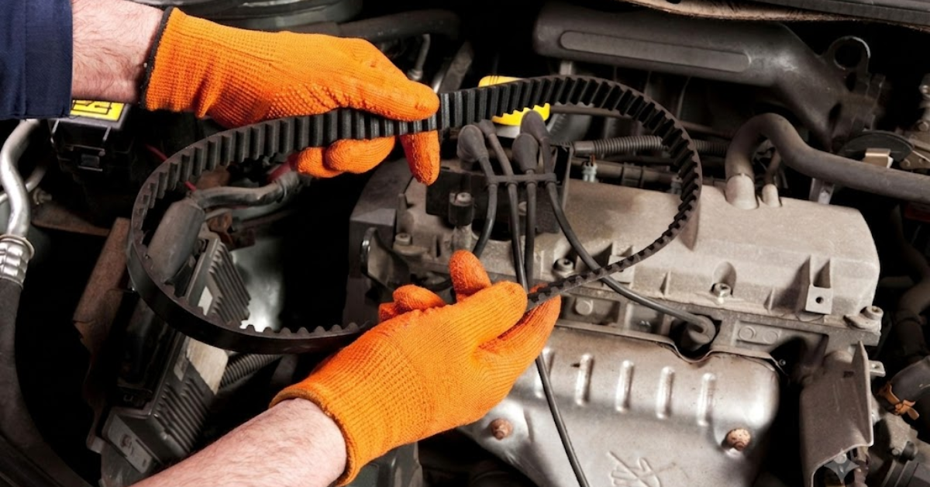
Think of your engine as a team of parts that need to move in perfect sync. The crankshaft powers the pistons up and down. The camshaft opens and closes the valves. These two jobs must happen at exactly the right moment, and the timing belt is what keeps them in step.

It’s a reinforced rubber belt with teeth along the inside. Those teeth grip gears on the crankshaft and camshaft, keeping everything coordinated. If the belt breaks, that coordination disappears instantly. The engine has no way to keep running without it.

What Happens the Moment a Timing Belt Breaks?

When a timing belt breaks while driving, the effects are immediate. Here’s what typically happens:

  • The engine stalls without warning. No warning light comes on first. The car simply stops running.
  • You lose power steering. Most power steering systems rely on the engine. Once it’s off, the wheel becomes stiff and hard to turn.
  • Brake assist drops significantly. Your brakes still work, but you’ll need to press much harder than usual.
  • Warning lights flood the dashboard. The check engine light, battery light, or others may appear all at once.

This is why a broken timing belt is especially dangerous at highway speeds. Steering becomes difficult right when you need it most.

Will a Broken Timing Belt Destroy Your Engine?

This is the question most drivers want answered, and the answer depends on your engine type.

Engine Type What Happens When the Belt Snaps
Interference engine Pistons and valves can collide. Serious damage is likely.
Non-interference engine The engine stalls, but internal collision is less likely.

Most modern vehicles use interference engines. In these, pistons travel into the same space that valves occupy — but at different times. The timing belt makes sure they never meet. When the belt breaks, that separation disappears, and metal parts collide at high speed.

Signs of a Broken Timing Belt (and a Failing One)

Most drivers don’t know their timing belt is in trouble until it’s too late. But there are signs of a broken timing belt, and more importantly, signs it’s about to fail, that you can watch for.

Warning signs before failure:

  • A ticking or slapping noise from the engine
  • Engine misfires or rough idling
  • Difficulty starting the car
  • Oil leaking near the front of the engine
  • A noticeable drop in engine power

Signs of a broken timing belt:

  • The engine suddenly shuts off while driving
  • Car won’t start at all (engine turns but doesn’t fire)
  • Loud bang or snap sound from the engine

If you notice any early warning signs, don’t wait. An inspection could save you thousands of dollars.

Causes of Timing Belt Failure

Knowing the causes of timing belt failure helps you prevent it in the first place. Timing belts don’t last forever, and several factors speed up their wear.

Common causes include:

  1. Age and mileage: Most belts are rated for 60,000 to 100,000 miles. Driving beyond that is a gamble.
  2. Oil leaks: Engine oil that drips onto the belt breaks down the rubber quickly.
  3. Worn tensioners or idler pulleys: These keep the belt tight. When they fail, the belt can slip or snap.
  4. Heat and humidity cycles: Rubber degrades over time, especially in extreme temperatures.
  5. Skipped maintenance: Missing scheduled inspections is one of the most preventable causes.

The belt itself rarely fails randomly. Usually, something else is wearing it down first.

What to Do If Your Timing Belt Breaks While Driving?

If your engine suddenly cuts out on the road, stay calm and follow these steps:

  1. Grip the steering wheel firmly. It will feel heavier than usual. Keep the car straight.
  2. Turn on your hazard lights immediately.
  3. Brake steadily. Press firmly; you’ll need more force without power assist.
  4. Steer toward the shoulder or a safe area.
  5. Do not try to restart the engine. Cranking a damaged engine can make things much worse.
  6. Call for a tow truck. Have the car transported to a trusted auto repair shop.

The most important rule: do not restart the car. Even one crank of the engine can cause additional damage inside.

Why Timing Belt Maintenance Matters More Than People Think?

Timing belt maintenance is one of the most important services you can do for your car, and one of the most overlooked. Because the belt is hidden inside the engine, most drivers never see it. Out of sight, out of mind.

Regular maintenance catches:

  • Cracks or fraying in the belt itself
  • Weak tensioners that let the belt go slack
  • Oil leaks near the front seal that contaminate the belt
  • Worn pulleys that create uneven wear

FAQs

Can you drive a car if the timing belt breaks?

No. Once the timing belt snaps, the engine stops immediately. The car cannot move under its own power. Attempting to restart it risks making internal damage much worse. Have it towed to a repair shop right away.

Is there any warning before a timing belt breaks?

Sometimes. You may notice a ticking noise from the engine, rough idling, difficulty starting, or oil leaking near the front of the engine. But many belts break with no warning at all, which is why scheduled replacement is so important.

How long can a car drive with a bad timing belt?

A worn timing belt can fail at any moment with no warning. If your mechanic says the belt is worn or cracked, it should be replaced before your next drive. There is no safe amount of time to delay.

What are the causes of timing belt failure?

The most common causes are high mileage beyond the replacement interval, oil leaks that degrade the rubber, worn tensioners or pulleys, extreme temperature cycling, and deferred maintenance. Most failures are preventable with regular inspections.

Is it worth fixing a car with a broken timing belt?

It depends on the damage. In non-interference engines, repair is often straightforward and worthwhile. In interference engines, internal damage can be serious. Get a full diagnosis first, then compare repair costs to the vehicle’s value before deciding.

Get Your Timing Belt Inspected at Cruz Automotive

If you can’t remember the last time your timing belt was checked, now is the time. At Cruz Automotive, our team has the experience and tools to inspect your belt, identify early wear, and replace it before it causes bigger problems. We work on a wide range of makes and models, and we’ll give you a straight answer about what your car actually needs.

Don’t wait for the belt to snap on the highway. Schedule your timing belt inspection with Cruz Automotive today and drive with confidence knowing your engine is in good hands.