
Air Filter & Cabin Filter – What’s the Difference and Why It Matters for Your Car’s Health

When you think about basic car care, filters may not be the first thing that comes to mind. Yet, these small parts play a big role in keeping your ride smooth, clean, and efficient. This guide helps you understand the difference between an engine air filter and a cabin air filter, plus why both matter more than most drivers realize. If you’re planning a Car service Holland mi appointment or comparing Auto shops in Holland, this quick breakdown will help you stay informed.

What an Engine Air Filter Does

Your engine needs clean air to run. The engine air filter makes that happen by stopping dust, pollen, dirt, and debris from entering the engine. Without this filter, the engine would struggle to “breathe,” just like a person with a stuffy nose. When airflow is blocked, fuel doesn’t burn properly. This leads to weak performance and poor fuel economy. That’s why mechanics always check the air filter during routine service.

What a Cabin Air Filter Does

While the engine filter protects your car’s motor, the cabin air filter protects you. It cleans the air that flows into the cabin through the heating, cooling, and ventilation system. This filter traps dust, allergens, mold spores, and even foul odors. So, you breathe cleaner and fresher air every time you drive. Anyone with allergies or asthma definitely benefits from a healthy cabin filter.

Key Differences Between Both Filters

Even though both filters clean incoming air, their roles are completely different:

  • The engine air filter protects the engine.
  • The cabin air filter protects the people inside the car.
  • The air filter affects performance and fuel efficiency.
  • The cabin filter affects comfort and air quality.

Both are essential, but they are not interchangeable. Each one handles its own job.

Common Signs of a Bad Air Filter

It’s easy to miss early problems, but your car usually gives clues. Here are common signs of a bad air filter:

  • Slow acceleration
  • Reduced fuel mileage
  • Rough engine sounds
  • Check engine light turning on
  • Strong smell of fuel while driving
  • Dark or dirty filter surface

If you notice these symptoms, it’s time to schedule a Car service Holland mi appointment before things get worse.

Car Cabin Air Filter Benefits

A fresh and clean cabin air filter offers more than just pleasant air. Check out these car cabin air filter benefits:

  • Helps you breathe cleaner and healthier air
  • Reduces dust buildup on dashboard surfaces
  • Removes foul odors from vents
  • Improves heating and cooling performance
  • Makes long drives more comfortable

Because this filter supports your comfort and health, ignoring it can make daily driving a lot less enjoyable.

When to Replace These Filters

Most filters need replacement every 12,000 to 15,000 miles. However, this can change depending on where you drive. Dusty, rainy, or windy roads can wear filters out much faster. Many Auto shops in Holland inspect both filters during routine maintenance so you stay ahead of issues. If you’re unsure when yours was last changed, it’s better to check early than wait too long.

Key Takeaway

Your car works best when both the engine air filter and the cabin air filter are clean. One helps the engine breathe, while the other helps you breathe. Paying attention to these small parts saves money, boosts comfort, and keeps your vehicle healthier for the long haul.

FAQs

How often should I replace my engine air filter?

Usually every 12,000 to 15,000 miles. But harsh driving conditions may require earlier replacement.

What happens if I don’t replace a dirty air filter?

Your engine may lose power, burn more fuel, or even misfire.

How can I tell if my cabin filter is dirty?

If the air smells weird, the vents blow weakly, or you notice extra dust inside the car, the cabin filter may be clogged.

Are cabin filters expensive?

Most are affordable, and replacing them is usually quick.

Clean Filters, Smooth Rides – Your Car Will Thank You!

At Cruz Automotive, we believe simple maintenance goes a long way in protecting your car’s health. Understanding the difference between your air filter and cabin filter helps you stay ahead of problems, breathe cleaner air, and enjoy smoother performance. When you’re ready for a dependable service experience, our team is here to help keep your vehicle running strong.

Your Complete 30k / 60k / 90k Mile Maintenance Checklist – What to Do & When

Owning a car is great, until surprise repairs show up out of nowhere. That’s why sticking to a routine car service schedule can save you money, stress, and major breakdowns later. This guide explains what your vehicle needs at 30k, 60k, and 90k miles, why each step matters, and how you can keep your vehicle running strong without guessing what’s due next. If you’ve ever wondered what really happens at these service milestones, you’re in the right place.

Why Mileage-Based Maintenance Matters

Your vehicle is built to last, but only if it gets the right care at the right time. That’s where car mileage-based maintenance steps in. Instead of waiting for something to break, you follow a plan that keeps the engine, transmission, and major systems healthy.

Plus, when you stay on schedule, your car performs better, uses less fuel, and is less likely to leave you stranded. Drivers in West Michigan especially benefit from consistent checkups because our weather can be tough on vehicles.

What to Expect at 30,000 Miles

Your car is still pretty young at 30k miles, but it has definitely been through enough to need a fresh tune-up. Here’s what usually gets checked or replaced:

1. Air Filters

Your engine and cabin air filters collect dust, leaves, and debris. Replacing them helps your engine breathe better and keeps the air inside clean.

2. Fluids Check

Techs inspect coolant, brake fluid, power steering fluid, and transmission fluid levels. If anything looks low or old, they top it off or replace it.

3. Tire Rotation

Your tires wear unevenly. Rotating them helps them last longer and improves traction.

4. Brake Inspection

Pads and rotors are checked to catch early wear before it becomes a bigger bill.

This is also a great time to get a basic Car service in Holland, especially if you drive daily or sit in traffic often.

What to Expect at 60,000 Miles

At 60k miles, your car has put in serious work. This is the stage where deeper maintenance becomes important.

1. Transmission Fluid Service

This is the big one. Getting a Transmission service in Grand Haven helps the gears shift smoothly and prevents early transmission failure. Skipping this step can cause rough shifting or even overheating later.

2. Battery Check

Most car batteries last around 3–5 years. At 60k miles, yours might be getting close to retirement.

3. Brake Fluid Replacement

Brake fluid absorbs moisture over time. Replacing it keeps your stopping power strong.

4. Spark Plugs

Old spark plugs can cause misfires and lower fuel efficiency. This mileage mark is often the time to swap them out.

What to Expect at 90,000 Miles

Once you hit 90k miles, your car is entering a mature phase. And like anything aging gracefully, it needs a bit more TLC.

1. Timing Belt or Chain Check

Some cars need a timing belt replaced around this point. If it breaks, the engine can suffer major damage.

2. Water Pump

Often replaced along with the timing belt, since both parts work together.

3. Hoses and Belts

Rubber doesn’t last forever. Cracked or worn hoses should be replaced before they leak.

4. Suspension Check

Shocks, struts, and bushings may need attention to maintain a smooth ride.

Following these steps keeps your car healthy and prevents huge repair bills down the road.

Key Takeaway

Mileage-based vehicle care isn’t guesswork. It’s a roadmap that helps you avoid sudden repairs and keeps your car safe on the road. When you follow a routine car service schedule, you get better performance, better fuel efficiency, and a longer-lasting engine and transmission.

Frequently Asked Questions

1. Why is 30k/60k/90k maintenance important?

These intervals align with how long fluids, filters, and parts typically last. It prevents breakdowns and expensive repairs.

2. Do all cars follow the same maintenance schedule?

Most follow a similar pattern, but the exact list can vary. Your vehicle’s manual gives the most accurate instructions.

3. How often should I get transmission service?

Most drivers should get it around 60k miles, especially if they tow or drive in stop-and-go traffic.

Conclusion!

At Cruz Automotive, we help drivers stay on top of their 30k, 60k, and 90k mile maintenance so their vehicles run stronger for longer. We believe in honest inspections, clear explanations, and reliable service that keeps you safe on the road. When your car hits one of these milestones, we’ve got your back with the right care at the right time.


Why Fuel Efficiency Matters More Than Ever – Simple Maintenance Tips to Improve MPG

Why Fuel Efficiency Is a Big Deal Today

Fuel prices keep going up, and most drivers feel that pinch every time they fill their tank. Because of this, fuel efficiency matters more than ever. Many drivers want to know how to improve fuel efficiency without spending a fortune. The good news is that you don’t need fancy tools or expensive upgrades to boost MPG. Sometimes, small habits and basic vehicle care can make a world of difference.

This guide breaks down simple steps anyone can follow. It also explains when to get help from Auto shops in Holland or schedule a Car service Holland MI appointment to keep your ride in top shape.

Everyday Habits That Help You Save Fuel

Before jumping into maintenance, let’s talk about daily driving habits. They actually play a huge role in gas usage.

Drive Smoothly

Speeding and hard braking burn fuel fast. Try to accelerate slowly, brake gently, and maintain a steady pace. Your car will thank you.

Use Cruise Control

On long, open roads, cruise control helps your car stay consistent. This prevents fuel-wasting speed changes.

Lose the Extra Weight

Keeping heavy items in your trunk pulls down MPG. So, travel light when you can.

Limit Idle Time

If you’re waiting for more than a minute, it’s better to turn off the engine. Idling burns fuel for no good reason.

These simple habits already push your MPG in the right direction. But for deeper gains, maintenance matters even more.

Simple Maintenance Tips That Improve Gas Mileage

Routine care is the secret to improve gas mileage maintenance. These steps are simple, affordable, and make a noticeable difference.

Check Tire Pressure Regularly

Low tire pressure increases rolling resistance. This forces your engine to work harder and burn more gas. Keep your tires inflated to the recommended PSI. It’s one of the easiest and biggest MPG boosters.

Replace Dirty Air Filters

A clogged air filter makes it tough for your engine to breathe. When the engine struggles, fuel burns faster. A clean air filter improves airflow and boosts MPG.

Keep Up With Oil Changes

Old or dirty oil causes friction inside the engine. Fresh oil helps the engine run smoother and more efficiently. Check your owner’s manual for oil change intervals.

Inspect Spark Plugs

Worn spark plugs lead to misfires or rough running. This hurts fuel economy. Replacing them ensures efficient combustion.

Maintain Proper Wheel Alignment

If your wheels aren’t aligned, your car drags slightly to one side. That drag burns fuel. A quick alignment fix saves gas and protects your tires.

Schedule Regular Vehicle Checkups

Routine inspections at Auto shops in Holland can catch fuel-wasting issues early, like low fluids, weak sensors, or failing parts. Even small problems can reduce MPG if left alone.

When to Visit Auto Shops in Holland

If your MPG suddenly drops, your vehicle struggles to accelerate, or the check engine light turns on, it’s time for a Car service Holland MI appointment. Skilled technicians can diagnose hidden issues that basic maintenance won’t solve at home. Getting help early prevents bigger repair bills later.

Key Takeaway

Fuel efficiency isn’t just about saving money. It supports smoother driving and keeps your car healthier. With smart habits and simple upkeep, anyone can improve MPG without stress or high costs.

FAQs

How often should I check tire pressure?

At least once a month. Also check before long trips.

Does driving slower really save gas?

Yes. High speeds increase wind resistance, which burns more fuel.

Can old oil reduce MPG?

Definitely. Old oil makes the engine work harder.

What maintenance boosts fuel efficiency the most?

Proper tire inflation, clean air filters, fresh oil, and good spark plugs.

Save fuel, save money, drive smarter, every mile counts!

Cruz Automotive knows that drivers want real, simple ways to boost fuel efficiency without overcomplicating things. By following basic habits and keeping up with routine maintenance, every driver can enjoy better mileage and smoother performance. When your vehicle needs expert attention, Cruz Automotive is ready to help with reliable inspections and trusted care.

Are CVT & Automatic Transmissions the Future? Pros and Cons in 2025–2026

Introduction

Many drivers today are curious about what kind of transmission will dominate the road in the coming years. Cars keep advancing, and the systems that power them are changing just as fast. CVT and automatic transmissions are now at the center of this shift, and both offer unique benefits for modern driving. As we move into 2025–2026, it’s important to understand how they perform, how long they last, and what problems they may face. You’ll also see why regular care, including Auto transmission service in Holland, plays a huge role in keeping these systems running smoothly.

Why CVT and Automatic Transmissions Are Popular

CVT (Continuously Variable Transmission) and automatic transmissions have become very common. They make driving easier and smoother. Many drivers prefer them because they do not want to shift gears by themselves. Also, both systems are now smarter and more efficient due to better technology. New sensors, better programming, and improved materials help them work more smoothly.

Still, each transmission has good points and weak points. Knowing both helps drivers choose what fits their needs best.

Pros and Cons of CVT Transmissions

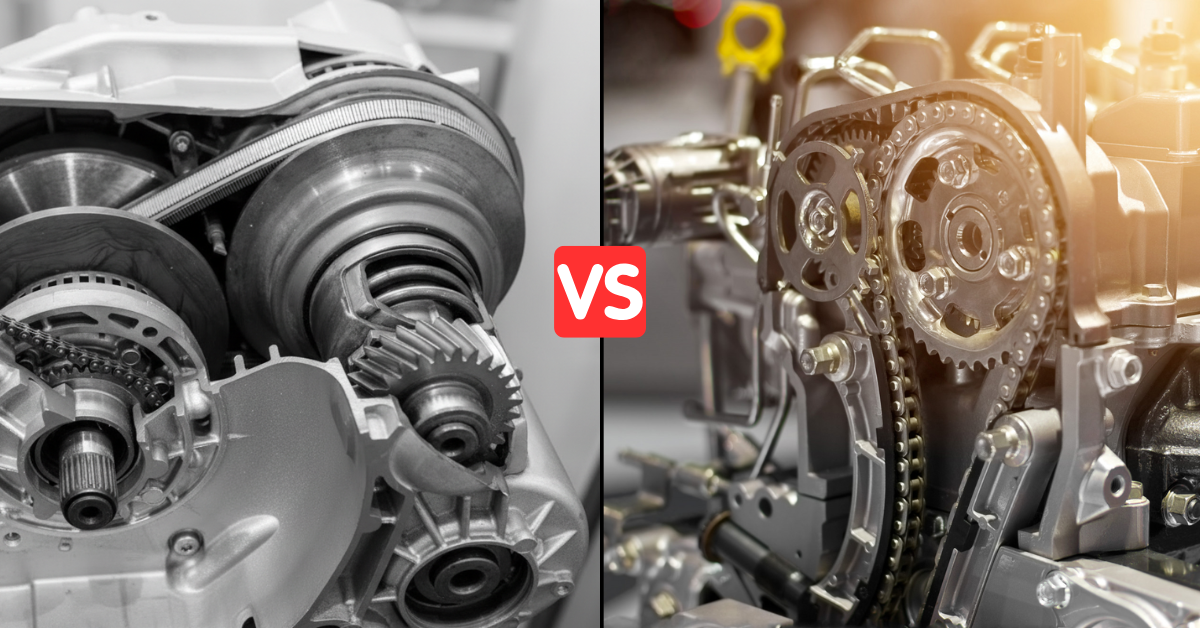
A CVT does not use regular gears. Instead, it uses pulleys and belts to change speed smoothly. This makes the ride feel steady, like a single continuous motion.

Pros

  • Better fuel efficiency: A CVT keeps the engine running at an ideal speed.
  • Smoother ride: There are no sudden gear changes.
  • Great for traffic: CVTs handle stop-and-go driving well.

Cons

There are still several CVT reliability issues that drivers talk about. These include overheating, belt wear, and problems with internal pulleys. CVTs can also cost more to repair because of how they are built.

Another concern is the CVT lifespan and durability. Some CVTs wear out faster than automatic transmissions. However, regular care and timely CVT Transmission Service Holland can help them last longer.

Pros and Cons of Automatic Transmissions

Automatic transmissions have been around for a long time. They have proven to be strong and dependable. Modern versions shift smoothly and offer better performance than older models.

Pros

  • Good long-term reliability: Automatics handle heat and stress better.
  • Strong for towing and heavy loads: They manage power well.
  • Longer lifespan: Many well-serviced automatics last for many years.

Cons

They have more moving parts, which means more things can wear out. Issues like slipping, leaks, and slow shifting can develop over time. That is why regular Auto transmission service in Holland is so important. It helps stop problems before they grow.

Key Takeaway

CVT and automatic transmissions will both play a big role in 2025–2026. CVTs offer smooth acceleration and better fuel savings. Automatics offer strength and long-lasting performance. The right choice depends on how a person drives and how much maintenance they are willing to do. Both systems work well when cared for properly.

FAQs

1. Are CVTs improving in 2025–2026?

Yes. Newer designs reduce many common problems, but CVT reliability issues still exist if maintenance is ignored.

2. How long can a CVT last?

Many last around 100,000–150,000 miles. Regular CVT Transmission Service Holland can increase the CVT lifespan and durability.

3. Are automatic transmissions dependable?

Yes. They have a long history of strong performance when serviced on time.

4. Which is better for city driving?

CVTs offer smoother acceleration in traffic, but both can work well with proper care.

5. Which one is cheaper to fix?

Automatic transmission repairs usually cost less. CVTs often require special parts and tools.

The future of driving shifts smoother than ever, are you ready?

Both CVT and automatic transmissions come with strong advantages for modern drivers. CVTs offer smooth driving and better fuel economy, while automatics provide dependable power and long-term strength. No matter which one a driver chooses, proper care is key. At Cruz Automotive, the team focuses on helping drivers understand their transmission needs and keeping their vehicles running smoothly for years.

All-Season vs. Performance Tires in Michigan: Which Replacement Option Is Best for You?

Driving in Michigan can feel like stepping into a whole different world. One moment the sun is shining, and the next, the road is slick with icy slush. Because of unpredictable weather, choosing the right tire type matters more than most drivers realize. This guide breaks down the difference between all-season and performance tires so you can make a smart decision for your next tire replacement Holland MI. We’ll look at how each option handles Michigan roads and which one fits different driving needs.

What Makes Michigan Driving Unique

Michigan roads face heavy snow, sudden rain, freezing winds, potholes, and long highway stretches. So, your tires need to adapt fast. Safe driving depends a lot on grip, stability, and stopping power. Many drivers turn to trusted car repair shops in Holland MI to help choose the best tires because the wrong choice can mean sliding through a stop sign or replacing tires too often.

What Are All-Season Tires

All-season tires are designed to handle a wide range of weather. They balance traction, mileage, and comfort. These tires are made to perform well in wet and dry conditions and offer fair control in light snow. Most everyday drivers choose them because they are convenient and long-lasting.

Pros of All-Season Tires:

  • Good performance for daily driving
  • Longer tread life
  • Smooth and comfortable ride
  • More budget-friendly compared to performance tires

Best For: Commuters, families, and drivers who stick to city or highway travel.

What Are Performance Tires

Performance tires are the go-to choice for drivers who want strong traction and sharper handling. These tires are built from softer rubber, which sticks better to the road and makes turning and braking more responsive. They shine during warm seasons and at higher speeds.

performance tire benefits include:

  • Better grip in dry and wet conditions
  • Faster and smoother braking
  • Increased cornering control
  • Better steering response for sporty driving

Best For: Drivers who enjoy powerful performance, own sport-style cars, or travel long distances at higher speeds.

Key Differences Between All-Season and Performance Tires

All-season tires provide moderate grip, a smoother ride, and longer lifespan. They handle rain well and work in light snow, making them great for everyday driving. They are also more budget-friendly.

Performance tires deliver stronger traction, sharper steering, and better braking on dry and wet roads. They feel firmer and wear faster, and they don’t perform well in cold or snowy conditions. They usually cost more but offer high-level control for sporty driving.

Which Tire Type Fits Your Driving Style

If you drive steady and just need reliable traction for Michigan’s mixed weather, all-season tires are a smart and affordable choice. But if you want more control and sharper performance in warm months, performance tires make a big difference.

Still unsure? Many Auto shops in Holland offer test comparisons and professional recommendations based on your habits, car type, and seasonal conditions.

Cost & Longevity Considerations

All-season tires can last longer and cost less upfront, making them a great long-term value. Meanwhile, performance tires may cost more and wear faster because of their softer rubber. However, they offer a major safety advantage for drivers who demand peak control.

Think about what matters most to you: comfort and durability, or speed and handling? Making the right call can save money and prevent risky moments on the road.

FAQs

Q1. Can I use performance tires in winter?

Performance tires are not ideal for heavy snow or ice. They lose grip as temperatures drop. Switching to winter tires or using all-season tires is much safer.

Q2. How often should I replace my tires?

Most tires last between 3 to 5 years depending on mileage and road conditions. You should check tread depth and damage during regular tire replacement Holland MI services.

Q3. Do all cars benefit from performance tires?

Not always. They work best for sporty vehicles or drivers who want high-speed stability. Everyday drivers may prefer all-season tires.

The End Note!

At Cruz Automotive LLC, we understand that tire choices affect every ride you take. Michigan roads can be tough, and having the right tires can make driving safer, smoother, and more enjoyable. If you’re stuck between all-season and performance tires, our team is always ready to help you choose the best fit based on your car and your lifestyle. Reach out anytime, and let’s keep your ride confident and safe on every mile.

Air Conditioning Blowing Warm? Book a Professional AC Repair in Holland MI

Introduction

Nothing ruins a summer drive faster than turning on your car’s air conditioning and getting blasted with warm air. It’s frustrating, uncomfortable, and honestly, it can feel like your car is letting you down at the worst time. This guide explains why your AC might be blowing warm, when it’s time to get help, and how Car repair shops in Holland MI can fix the issue before it gets worse. If you’re struggling with car cooling issues Holland, stick around, this blog will walk you through the basics in a simple, easy-to-understand way.

Why Is Your Car AC Blowing Warm Air?

When the AC stops cooling, it usually means something inside the system is struggling. The most common reason is that your car is low on refrigerant. Without enough refrigerant, the AC simply can’t produce cold air. Sometimes there’s a small leak, and other times the issue is electrical or related to the compressor.

Cooling problems don’t fix themselves. They slowly get worse. That’s why many drivers turn to trusted auto shops in Holland to inspect and solve these problems before a complete breakdown happens.

Common Causes of Cooling Problems

There are several reasons why your AC might fail. Here are a few common ones:

  • Refrigerant leak
  • Faulty compressor
  • Clogged condenser
  • Blown fuse or electrical problem
  • Worn-out cooling fans
  • Dirty cabin air filter

Even minor problems can lead to system failure. So, if you notice your air conditioning isn’t cooling like before, do not delay. Professional auto air conditioning service Holland teams diagnose issues fast with proper tools and testing.

Benefits of Professional AC Repair

Trying DIY fixes or ignoring the issue usually makes things more expensive later. Getting help from trained technicians means:

  • You can find hidden leaks quickly.
  • You avoid damage to other cooling components.
  • Your AC lasts longer.
  • You enjoy better fuel efficiency.
  • You stay comfortable and safe on the road.

Professional repairs also help protect your engine. If the cooling system struggles, the engine may overheat, which can cause serious damage. So staying ahead of car cooling issues Holland is not only smart, it’s necessary.

Signs You Shouldn’t Ignore

Watch for these warning signs that your AC needs help:

  • AC blows warm or weak air
  • Strange smells when AC is running
  • Clicking or grinding noise from under the hood
  • Car overheats when the AC is on
  • Water leaking onto the floorboard
  • AC turns on and off randomly

If you notice any of these symptoms, it’s time to get a professional inspection at trusted car repair shops in Holland MI instead of waiting for a total failure.

Choosing the Right Auto Experts

Finding the right repair shop matters. Look for places that specialize in cooling and AC diagnostics. A good shop will:

  • Explain issues clearly in simple terms
  • Offer detailed testing and inspection
  • Use the right tools and parts
  • Deliver honest pricing and repair recommendations

Professional technicians focus on long-term performance, not quick patch jobs. That’s why local drivers rely on respected auto shops in Holland for accurate and dependable repairs.

Key Takeaway

Warm air from your AC isn’t just annoying. It’s usually a warning sign that something inside the system needs attention. Instead of guessing, let trained experts handle the problem. Early repairs save money, improve comfort, and protect your engine.

FAQs

Why is my AC blowing warm air when the car is running?

It usually means you’re low on refrigerant or there’s a leak. It could also be a problem with the compressor or electrical system.

Can I drive my car if the AC is not working?

Yes, but ignoring the issue can cause bigger problems, especially if the cooling system affects engine temperature.

The End Note!

At Cruz Automotive LLC, we know how stressful it feels when your air conditioning stops working, especially during Michigan’s heat waves. When your AC is blowing warm, don’t sweat it. Let our experienced technicians diagnose the problem and restore the comfort you rely on daily. We’re here to help drivers across Holland stay safe, cool, and confident on the road. Reach out today to schedule a professional auto air conditioning service Holland appointment and keep your car performing at its best.


Manual Transmission Clutch Trouble? Here’s What We Offer at Cruz Automotive

Introduction

Feel like your car is struggling every time you shift gears? Does the engine rev higher without giving more speed? These signs can be pretty scary, especially if you rely on your car daily. This guide explains what clutch problems really mean, how they affect your driving, and what solutions are available. When it comes to manual cars, understanding clutch trouble early can save both time and money. So, if you’re dealing with grinding gears, burning smells, or slipping, this article breaks down what to do next.

What Is a Clutch and Why It Matters

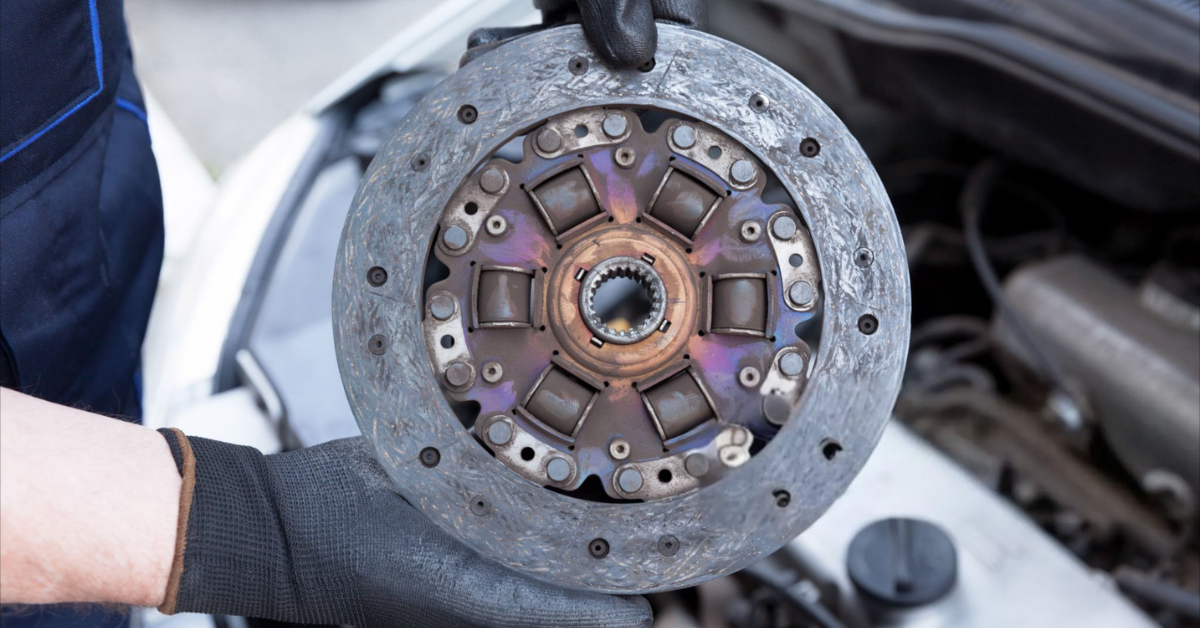
The clutch is a major part of your manual transmission system. It helps your engine and wheels work together smoothly. When you press the clutch pedal, it disconnects power so you can shift gears. Once you release it, power returns and the car moves forward. Pretty simple, right?

But even durable parts wear out. Over time, the clutch system can weaken from heat, friction, and everyday use. When that happens, it affects the entire driving experience.

Common Signs of Clutch Trouble

Clutch issues usually show themselves long before the car stops running. Here are some signs to watch for:

  • The engine revs but the car doesn’t speed up normally
  • A burning or smoky smell after shifting
  • Hard or stubborn shifting
  • Grinding or unusual noises when pressing the clutch
  • Pedal feels loose, stiff, or shaky

If you notice any of these, it might be time to explore Clutch service in Holland before things get worse.

Professional Services We Provide

When clutch issues pop up, ignoring them only leads to bigger problems. At our repair center, we handle everything from inspections to full replacements.

Clutch Repair in Holland

Sometimes, clutch issues come from small problems such as leaking hydraulic fluid, worn cables, or damaged pressure plates. Repairing these parts can restore performance without replacing the whole system. This service is great if the clutch still has life left in it.

Clutch Replacement Holland MI

If the clutch is too worn out, replacement may be necessary. A complete kit usually includes the clutch disc, pressure plate, release bearing, and pilot bearing. Replacing everything together ensures long-term reliability. Many drivers ask how long this takes. Most replacements can be done in a day, depending on the vehicle.

Cost, Time, and What to Expect

One question we hear often is: What is the clutch slipping repair cost? The answer depends on the vehicle type, level of damage, and parts required. Repairs are usually less expensive than full replacements. Replacements cost more because they involve several parts and more labor hours. However, fixing the issue early can actually save money by preventing transmission damage.

High school readers learning about car care should know this: Routine checks and early service can prevent breakdowns. It’s kind of like seeing a dentist—small fixes now prevent big pain later.

Key Takeaway

Clutch problems don’t fix themselves. If you feel slipping, hear strange noises, or smell something burning, stop waiting. Getting Clutch repair in Holland or scheduling Clutch service in Holland as soon as possible helps protect your transmission and keeps your driving safe and smooth.

FAQs

What causes clutch slipping?

Slipping usually happens when the clutch disc is worn out or contaminated with oil, reducing friction.

How long does a clutch last?

Most clutches last between 50,000–100,000 miles, depending on driving habits and vehicle type.

Is it safe to drive with a bad clutch?

Not really. It might still move, but it can suddenly fail and damage other components.

How do I know if I need a replacement or repair?

A mechanic can inspect the system. Minor leaks or adjustments may only need repair. Severe wear needs replacement.

The End Note!

At Cruz Automotive LLC, we understand how stressful clutch problems can be. That’s why we’re committed to providing reliable clutch replacement Holland MI, repairs, and careful inspections to help you stay safe on the road. If your manual transmission feels off, don’t wait for a breakdown. Let our experienced team check it out and get you shifting smoothly again.

CVT vs. Traditional Automatic Transmissions – What’s the Difference and Does It Matter?

Introduction

Have you ever wondered why some cars shift smoothly and others feel like they jump between gears? Many drivers hear the terms CVT and automatic but aren’t sure what they actually mean. This guide explains the basics in simple, easy-to-read language. You will learn the major CVT vs traditional automatic differences, why they matter, and how proper care can help your car last longer. If you want better performance and fewer repairs, understanding your transmission is a smart move.

What Is a Traditional Automatic Transmission?

A traditional automatic transmission uses a set number of gears, such as 6-speed or 8-speed. As you speed up, it shifts from one gear to another. You can usually feel these shifts, especially when accelerating fast or driving uphill.

Many drivers enjoy that feeling because it gives a sense of control and strength. Automatic transmissions have been used for many years and are known for handling heavy loads and high horsepower. They are common in trucks, SUVs, and performance-focused cars.

Main Differences Between CVT and Automatic

A CVT delivers power smoothly without shifting between gears, which makes the drive calm and steady. A traditional automatic uses set gears, so you feel each shift, giving a stronger and more responsive driving feel.

CVTs are usually more fuel-efficient because they keep the engine in its best power range. Automatics often use more fuel due to frequent gear changes.

In terms of design, CVTs use belts and pulleys, while automatics rely on gear sets built for strength.

Choosing the right option depends on your needs. CVTs are great for everyday city driving and traffic, while automatics are better for towing, hills, and sporty driving.

Does the difference matter?

Yes. It affects how the car feels, how much fuel you use, and how often repairs are needed.

Pros and Cons of Each Type

CVT Advantages

  • Very smooth driving
  • Better gas mileage
  • Great for traffic and city roads

CVT Disadvantages

  • Can feel slower during fast acceleration
  • Repairs can cost more if maintenance is ignored

Automatic Transmission Advantages

  • Better for heavy loads and hills
  • Faster response for quick acceleration
  • Long history and strong build

Automatic Transmission Disadvantages

  • Uses more fuel
  • Shifting can feel jerky sometimes

CVT Transmission Maintenance Tips

Taking care of a CVT is important. These simple CVT transmission maintenance tips can help prevent damage:

  • Check fluid levels often
  • Avoid aggressive driving
  • Schedule CVT Transmission Service Holland regularly
  • Pay attention to whining or slipping sounds
  • Do not ignore warning lights

CVTs can last a long time when they are serviced on time. Skipping maintenance often leads to bigger problems and expensive repairs later.

Key Takeaway

Both transmission types are useful. CVTs are great for smooth driving and saving fuel. Traditional automatics are best for power and performance. The right choice depends on how you drive. No matter which you have, regular maintenance is the key to keeping your car running safely and longer.

FAQs

Q1: How do I know if my car has a CVT?

Check the owner’s manual, dashboard display, or ask a technician during service.

Q2: Is a CVT better than a regular automatic?

Both work well. CVTs are smoother and more fuel-efficient. Automatics are stronger for towing and sporty driving.

Q3: How often should I get CVT Transmission Service Holland?

Most vehicles need service every 25,000 to 50,000 miles. Follow your manufacturer’s schedule.

Q4: What are warning signs of CVT problems?

Whining noises, shaking, slipping, or delayed acceleration.

The End Note!

At Cruz Automotive LLC, we believe drivers deserve clear information that helps them make smart choices. Understanding how your transmission works helps you avoid breakdowns and plan service at the right time. Whether you need routine care or expert diagnosis, our team is ready to help keep your vehicle running strong with trusted CVT Transmission Service Holland.

Winter Car Maintenance Checklist – Prepare Your Vehicle for Cold Weather in Holland MI

Introduction

Winter in Holland, Michigan can be brutal. Freezing winds, icy roads, and heavy snow storms can turn a simple drive into a risky situation. When temperatures drop, cars often struggle the most. Batteries die, tires lose pressure, and engines take longer to warm up. So, this guide breaks down a simple winter car maintenance checklist that helps you stay safe and avoid surprise breakdowns. This is written for everyday drivers and high school students too, keeping things super easy to understand.

This guide explains how to prep your vehicle for winter, what to check before the cold hits, and when to visit trusted Car repair shops in Holland mi for expert help. Let’s dive in and get your ride winter-ready.

Why Winter Car Care Matters

Cold weather is tough on cars. Oil thickens. Fuel lines freeze. Tires stiffen. Even windshield wipers crack from ice. Plus, driving on Michigan’s winter roads can be risky without preparation. Many problems can be prevented just by checking your vehicle before the snow starts falling.

Winter car care also helps prevent bigger repair bills later. A small fix now can keep you from getting stuck on the roadside in the middle of a snowstorm.

Cold weather car prep checklist

Use this cold weather car prep checklist to keep your vehicle safe and reliable:

Check your battery

Batteries lose power when temperatures drop. Make sure it’s fully charged and the terminals are clean. If your car struggles to start, get it tested right away.

Inspect your tires

Winter driving needs solid traction. Check tire pressure often since cold air lowers it fast. Consider winter tires if you drive daily. Also, look at the tread depth so your car grips the snow instead of sliding.

Test the brakes

Slippery roads are not the place to discover worn-out brakes. Listen for squeaking sounds or shaking when braking. If something feels off, get a brake inspection from professional Auto shops in Holland.

Top off fluids

Check engine oil, antifreeze, brake fluid, windshield washer fluid, and transmission fluid. Use winter-grade washer fluid so it won’t freeze.

Check your wipers & defroster

Good visibility is everything. Replace old wipers and make sure your defroster clears windows fast.

Pack a winter emergency kit

Include:

  • Blanket
  • Flashlight
  • Ice scraper
  • Jumper cables
  • Bottled water
  • Small shovel
  • First-aid supplies

Having these tools can literally save your life if you get stuck during a storm.

Inspect your heating system

Staying warm isn’t just about comfort. Heat helps keep windows from fogging.

Winter car inspection Michigan – What to Expect

A professional winter inspection goes deeper than a basic check. Experts examine the charging system, engine belts, coolant strength, tire wear, suspension parts, and exhaust systems. Mechanics can spot issues early before they turn into emergencies.

Many Car repair shops in Holland MI recommend doing a winter check at least once per year, especially before the first big freeze. Skilled Auto shops in Holland have the tools and experience to find hidden problems, things an untrained eye might miss.

Key Takeaway

Winter is tough on vehicles, but preparation is the secret to staying safe and avoiding stressful breakdowns. Follow the checklist. Fix small problems quickly. And rely on professional winter inspections to catch problems early.

FAQs

Q1: When should I start winter car prep?

Ideally, start early fall. Don’t wait for the first snowstorm. It’s much easier to prepare before freezing temperatures hit.

Q2: Do I really need winter tires?

If you drive a lot or live in a snowy area, yes. They grip ice and snow better than regular tires.

Q3: How often should I check my tire pressure in winter?

Check every 1–2 weeks. Cold air makes tire pressure drop fast.

Q4: Why does my car take longer to warm up in the cold?

Engine fluids thicken in low temps, so the engine needs more time to reach normal operating temperature.

Q5: What happens if I skip winter maintenance?

You risk battery failure, poor traction, engine trouble, and unsafe driving conditions.

The End Note!

Winter driving in Michigan requires preparation, and the right maintenance steps can help you travel with confidence. Use this guide to get your vehicle ready for the cold and stay safe on every trip. For professional inspections, repairs, and reliable winter car service, Cruz Automotive LLC is always here to help drivers in Holland stay on the road safely all season long. Stay warm, stay prepared, and drive smart.