CVT vs. Traditional Automatic Transmissions – What’s the Difference and Does It Matter?

Introduction

Have you ever wondered why some cars shift smoothly and others feel like they jump between gears? Many drivers hear the terms CVT and automatic but aren’t sure what they actually mean. This guide explains the basics in simple, easy-to-read language. You will learn the major CVT vs traditional automatic differences, why they matter, and how proper care can help your car last longer. If you want better performance and fewer repairs, understanding your transmission is a smart move.

What Is a Traditional Automatic Transmission?

A traditional automatic transmission uses a set number of gears, such as 6-speed or 8-speed. As you speed up, it shifts from one gear to another. You can usually feel these shifts, especially when accelerating fast or driving uphill.

Many drivers enjoy that feeling because it gives a sense of control and strength. Automatic transmissions have been used for many years and are known for handling heavy loads and high horsepower. They are common in trucks, SUVs, and performance-focused cars.

Main Differences Between CVT and Automatic

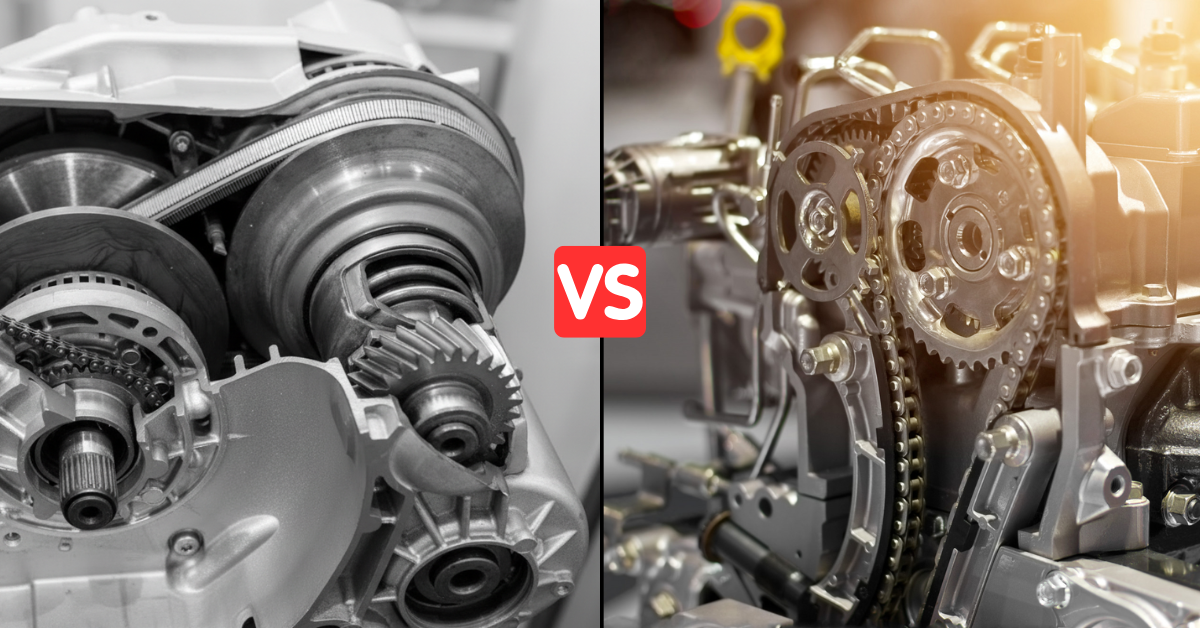
A CVT delivers power smoothly without shifting between gears, which makes the drive calm and steady. A traditional automatic uses set gears, so you feel each shift, giving a stronger and more responsive driving feel.

CVTs are usually more fuel-efficient because they keep the engine in its best power range. Automatics often use more fuel due to frequent gear changes.

In terms of design, CVTs use belts and pulleys, while automatics rely on gear sets built for strength.

Choosing the right option depends on your needs. CVTs are great for everyday city driving and traffic, while automatics are better for towing, hills, and sporty driving.

Does the difference matter?

Yes. It affects how the car feels, how much fuel you use, and how often repairs are needed.

Pros and Cons of Each Type

CVT Advantages

  • Very smooth driving
  • Better gas mileage
  • Great for traffic and city roads

CVT Disadvantages

  • Can feel slower during fast acceleration
  • Repairs can cost more if maintenance is ignored

Automatic Transmission Advantages

  • Better for heavy loads and hills
  • Faster response for quick acceleration
  • Long history and strong build

Automatic Transmission Disadvantages

  • Uses more fuel
  • Shifting can feel jerky sometimes

CVT Transmission Maintenance Tips

Taking care of a CVT is important. These simple CVT transmission maintenance tips can help prevent damage:

  • Check fluid levels often
  • Avoid aggressive driving
  • Schedule CVT Transmission Service Holland regularly
  • Pay attention to whining or slipping sounds
  • Do not ignore warning lights

CVTs can last a long time when they are serviced on time. Skipping maintenance often leads to bigger problems and expensive repairs later.

Key Takeaway

Both transmission types are useful. CVTs are great for smooth driving and saving fuel. Traditional automatics are best for power and performance. The right choice depends on how you drive. No matter which you have, regular maintenance is the key to keeping your car running safely and longer.

FAQs

Q1: How do I know if my car has a CVT?

Check the owner’s manual, dashboard display, or ask a technician during service.

Q2: Is a CVT better than a regular automatic?

Both work well. CVTs are smoother and more fuel-efficient. Automatics are stronger for towing and sporty driving.

Q3: How often should I get CVT Transmission Service Holland?

Most vehicles need service every 25,000 to 50,000 miles. Follow your manufacturer’s schedule.

Q4: What are warning signs of CVT problems?

Whining noises, shaking, slipping, or delayed acceleration.

The End Note!

At Cruz Automotive LLC, we believe drivers deserve clear information that helps them make smart choices. Understanding how your transmission works helps you avoid breakdowns and plan service at the right time. Whether you need routine care or expert diagnosis, our team is ready to help keep your vehicle running strong with trusted CVT Transmission Service Holland.
Winter Car Maintenance Checklist – Prepare Your Vehicle for Cold Weather in Holland MI

Introduction

Winter in Holland, Michigan can be brutal. Freezing winds, icy roads, and heavy snow storms can turn a simple drive into a risky situation. When temperatures drop, cars often struggle the most. Batteries die, tires lose pressure, and engines take longer to warm up. So, this guide breaks down a simple winter car maintenance checklist that helps you stay safe and avoid surprise breakdowns. This is written for everyday drivers and high school students too, keeping things super easy to understand.

This guide explains how to prep your vehicle for winter, what to check before the cold hits, and when to visit trusted Car repair shops in Holland mi for expert help. Let’s dive in and get your ride winter-ready.

Why Winter Car Care Matters

Cold weather is tough on cars. Oil thickens. Fuel lines freeze. Tires stiffen. Even windshield wipers crack from ice. Plus, driving on Michigan’s winter roads can be risky without preparation. Many problems can be prevented just by checking your vehicle before the snow starts falling.

Winter car care also helps prevent bigger repair bills later. A small fix now can keep you from getting stuck on the roadside in the middle of a snowstorm.

Cold weather car prep checklist

Use this cold weather car prep checklist to keep your vehicle safe and reliable:

Check your battery

Batteries lose power when temperatures drop. Make sure it’s fully charged and the terminals are clean. If your car struggles to start, get it tested right away.

Inspect your tires

Winter driving needs solid traction. Check tire pressure often since cold air lowers it fast. Consider winter tires if you drive daily. Also, look at the tread depth so your car grips the snow instead of sliding.

Test the brakes

Slippery roads are not the place to discover worn-out brakes. Listen for squeaking sounds or shaking when braking. If something feels off, get a brake inspection from professional Auto shops in Holland.

Top off fluids

Check engine oil, antifreeze, brake fluid, windshield washer fluid, and transmission fluid. Use winter-grade washer fluid so it won’t freeze.

Check your wipers & defroster

Good visibility is everything. Replace old wipers and make sure your defroster clears windows fast.

Pack a winter emergency kit

Include:

  • Blanket
  • Flashlight
  • Ice scraper
  • Jumper cables
  • Bottled water
  • Small shovel
  • First-aid supplies

Having these tools can literally save your life if you get stuck during a storm.

Inspect your heating system

Staying warm isn’t just about comfort. Heat helps keep windows from fogging.

Winter car inspection Michigan – What to Expect

A professional winter inspection goes deeper than a basic check. Experts examine the charging system, engine belts, coolant strength, tire wear, suspension parts, and exhaust systems. Mechanics can spot issues early before they turn into emergencies.

Many Car repair shops in Holland MI recommend doing a winter check at least once per year, especially before the first big freeze. Skilled Auto shops in Holland have the tools and experience to find hidden problems, things an untrained eye might miss.

Key Takeaway

Winter is tough on vehicles, but preparation is the secret to staying safe and avoiding stressful breakdowns. Follow the checklist. Fix small problems quickly. And rely on professional winter inspections to catch problems early.

FAQs

Q1: When should I start winter car prep?

Ideally, start early fall. Don’t wait for the first snowstorm. It’s much easier to prepare before freezing temperatures hit.

Q2: Do I really need winter tires?

If you drive a lot or live in a snowy area, yes. They grip ice and snow better than regular tires.

Q3: How often should I check my tire pressure in winter?

Check every 1–2 weeks. Cold air makes tire pressure drop fast.

Q4: Why does my car take longer to warm up in the cold?

Engine fluids thicken in low temps, so the engine needs more time to reach normal operating temperature.

Q5: What happens if I skip winter maintenance?

You risk battery failure, poor traction, engine trouble, and unsafe driving conditions.

The End Note!

Winter driving in Michigan requires preparation, and the right maintenance steps can help you travel with confidence. Use this guide to get your vehicle ready for the cold and stay safe on every trip. For professional inspections, repairs, and reliable winter car service, Cruz Automotive LLC is always here to help drivers in Holland stay on the road safely all season long. Stay warm, stay prepared, and drive smart.

Transmission Leak Repair – Why You Shouldn’t Ignore Fluid Spots Under Your Car

Introduction

Ever walked out to your car and noticed strange red or brown puddles on the driveway? That might not be harmless water. It could be transmission fluid, and ignoring it is like ignoring your car crying out for help. Transmission leaks might seem small, but they can lead to major and expensive problems if left unchecked. This blog will guide you through why spotting leaks early matters, what signs to look for, and why professional transmission leak repair in Zeeland can save your car from serious damage.

What Causes Transmission Leaks

Transmission leaks usually start small but can grow quickly. The main culprits are worn-out seals and gaskets, cracked transmission pans, or loose bolts. Road debris can also damage the pan, allowing fluid to escape. Overheating is another big reason, as heat breaks down seals faster. Even age plays a role because older parts simply wear out over time. Regular checkups help spot these problems early before they turn into a complete breakdown.

Signs Your Car Is Leaking Transmission Fluid

Spotting a car leaking transmission fluid isn’t hard once you know the signs. The most obvious is red or brown fluid pooling under your car. You might also smell something sweet or burnt while driving. Shifting gears may feel rough or delayed, and your car could even jerk suddenly while driving. Strange grinding noises are another red flag. If your transmission starts slipping between gears, that’s a serious sign that fluid levels are dangerously low.

Why Ignoring Leaks Can Be Dangerous

A leak might not look like a big deal, but it can quietly destroy your transmission. Low fluid means poor lubrication and overheating. This can burn out the transmission’s internal parts. Repairs for a failed transmission can cost thousands, while fixing a small leak is usually far cheaper. Plus, leaking fluid can drip onto hot parts of your car, creating a fire risk. Catching leaks early keeps your car safe and saves you money in the long run.

Getting Professional Transmission Leak Repair in Zeeland

If you notice leaks or transmission leak symptoms, getting fast and proper transmission leak repair in Zeeland is crucial. Professionals use special tools to find exactly where the leak is coming from. They replace worn seals, tighten parts, and refill the transmission with clean fluid. A full inspection also ensures there aren’t other hidden problems waiting to happen. Trying to patch it up at home without the right skills can make the problem worse, so it’s better to trust trained experts.

Auto Oil Leak Repair in Holland: When It’s Not the Transmission

Sometimes what looks like a transmission leak is actually an engine oil leak. Engine oil is usually dark brown or black, while transmission fluid is red or pink. Confusing the two can lead to fixing the wrong problem. Getting an auto oil leak repair in Holland can rule out engine issues and make sure your car gets the right repair. Professionals can tell which system is leaking and fix it quickly so your car stays healthy.

FAQs

Q1: Can I drive with a small transmission leak?

A: It’s risky. Even a small leak can lower fluid levels fast and cause damage. It’s safer to get it checked right away.

Q2: How often should I check transmission fluid levels?

A: At least once a month. It helps you catch leaks before they cause big issues.

Q3: What’s the cost of repairing a transmission leak?

A: It depends on the damage, but it’s usually far less than replacing the entire transmission.

Key Takeaway

Ignoring puddles under your car can cost you more than you expect. Leaks hurt your car’s performance and can lead to total transmission failure. Spotting the signs early and getting professional help can keep your car safe and your wallet intact.

The End Note!

At Cruz Automotive, we know how critical it is to fix leaks before they snowball into bigger problems. If you see fluid under your car or notice shifting issues, get it checked as soon as possible. Our team can handle transmission and oil leak repairs with care and precision to keep your car running smoothly. Don’t wait until it’s too late, catch those leaks early and keep your vehicle on the road.

Transmission Oil Leak Repair – What to Look For and Why Act Fast

At Cruz Automotive, we believe in keeping your vehicle running safely, reliably, and efficiently. One frequently overlooked yet critically important maintenance issue is a transmission oil leak. In this post, we’ll walk you through what to watch for, why you need to act fast, and how our expert team in Holland can help with transmission seal replacement and auto oil leak repair in Holland.

What to Look for: Warning Signs of a Transmission Fluid Leak

  1. Puddles or Drips Under Your Car

Spotting red or brownish fluid on the pavement where your vehicle’s parked? That’s often a tell-tale sign of leaking transmission fluid. At Cruz Automotive, we specialize in both transmission oil leak repair in Holland and auto oil leak repair in Holland, and we’re happy to diagnose exactly what’s leaking, and why.

  1. Low Transmission Fluid Levels

If you notice that your transmission fluid levels are lower than they should be, even soon after a fill-up, leakage is likely. Running with low fluid can damage gears, bearings, and seals quickly.

  1. Burning Smell or Overheating Gearbox

Transmission fluid serves as your gearbox’s coolant. If your vehicle overheats or you catch a burning scent under the hood, it may be due to slipping clutches or low fluid caused by stealthy leaks.

  1. Shifting Problems

Hesitation, rough shifting, or slipping between gears can indicate insufficient lubrication. Even a minor transmission oil leak can change fluid pressure and viscosity, damaging internal components.

  1. Transmission Seal Damage

One frequent culprit behind leaking fluid is worn or damaged seals. Whether it’s age, improper installation, or external debris penetration, a bad seal might require transmission seal replacement, a service our team at Cruz Automotive handles with precision and care.

Why You Should Act Fast: The Dangers of Delay

  1. Escalating Repair Costs

What often begins as a simple fluid top-off or seal fix can snowball into a major transmission overhaul, costing four or five figures, if left unaddressed. Acting at the first sign can save you thousands.

  1. Loss of Transmission Functionality

A leaking seal or gasket may seem minor, but transmission fluid loss can lead to total gear failure. Your vehicle may become undrivable, leaving you stranded and facing emergency towing fees.

  1. Excessive Internal Wear

Transmission fluid lubricates many internal parts. Without it, metal components grind against each other, leading to accelerated wear, overheating, and ultimately, catastrophic failure.

  1. Vehicle Safety & Performance

Poor shifting and slipping gears aren’t just inconvenient, they’re dangerous. Delayed response reduces vehicle responsiveness and control. Don’t compromise safety when the solution could be just a visit to Cruz Automotive away.

  1. Environmental Responsibility

Leaking fluid puddles aren’t just unsightly, they’re harmful to the environment. Early intervention helps prevent transmission fluid from making its way into soil and stormwater systems.

How Cruz Automotive Can Help: Your Trusted Partner in Holland

At Cruz Automotive, our team is dedicated to high-quality, reliable service. When you bring your car to us for transmission oil leak repair, here’s what you can expect:

  • Expert Diagnostics

We use pressure tests, dye tracing, and fluid analysis to pinpoint whether the leak is due to a seal, gasket, pan, cooler line, or another source.

  • Precision in Transmission Seal Replacement

Our technicians are trained to replace seals accurately, eliminating leaks and ensuring the fluid stays where it belongs: inside your transmission.

  • Comprehensive Auto Oil Leak Repair

Beyond the transmission, we check for related issues like engine oil or differential leaks, helping you avoid paying for recurring or overlapping problems.

  • Clear Communication & Transparent Pricing

We’ll explain what we find, why it’s a problem, and provide an upfront estimate, no surprises and no unnecessary work.

  • Preventive Insights for Long-Term Reliability

We don’t just fix the issue, we show you how to prevent recurrence, from fluid change intervals to signs to watch in the future.

Don’t Wait: Get Ahead of Transmission Problems Today

If you notice any signs of a transmission oil leak, hesitation won’t help. Stop by or contact Cruz Automotive today to schedule a diagnostic session or repair. Acting quickly on transmission oil leak repair in Holland or transmission seal replacement isn’t just a smart financial decision, it safeguards your vehicle, your safety, and your peace of mind.

For more information or to book your appointment, visit Cruz Automotive.