Modern Engine Diagnostics Explained: Sensors, Error Codes & Live Data Analysis

Your car is not just mechanical anymore. It is software-driven.

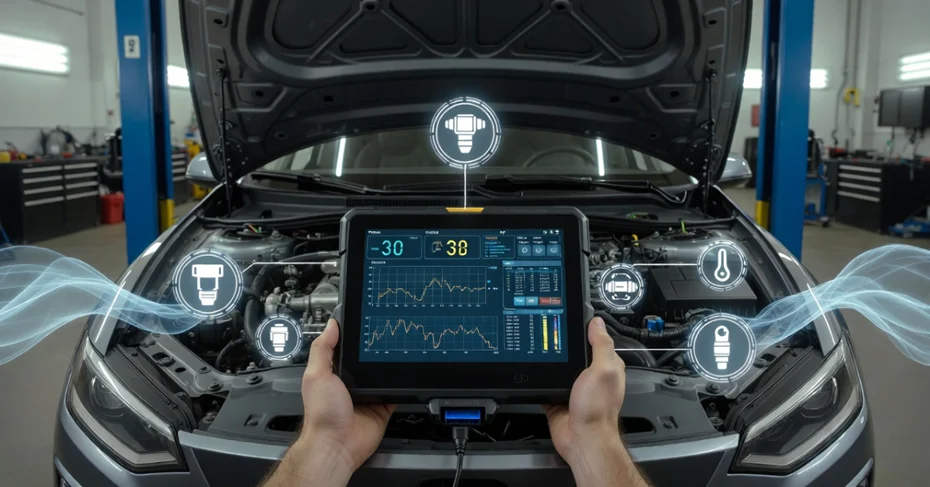
Every time you start the engine, dozens of sensors begin sending signals. The engine control module reads that data in milliseconds. That system is called modern engine diagnostics, and it is constantly checking performance.

It watches air intake, fuel delivery, ignition timing, exhaust output, and transmission behavior. If one value falls outside its normal range, the system flags it. That flag becomes a stored fault code. So diagnostics are not just about reading a light. They are about interpreting patterns inside the engine’s data stream.

How Do Engine Sensors Actually Influence Performance?

Sensors do more than report problems. They control how the engine runs. For example, the oxygen sensor adjusts the fuel mixture in real time. If it reads too lean, the computer adds fuel. If it reads too rich, it reduces fuel. The mass airflow sensor controls how much fuel gets injected.

A bad reading can cause hesitation or stalling. The coolant temperature sensor affects cold starts. If it fails, your engine may run rough or waste fuel. These parts work together. One faulty reading can throw off the whole system. That is why proper diagnostics matter.

What Do Engine Error Codes Mean in Real Terms?

Drivers often ask, what do engine error codes mean? An error code does not say “replace this part.” It tells us which system detected abnormal data.

For example:

  • P0301 means cylinder 1 misfire detected
  • P0171 means the system is too lean
  • P0420 points to catalytic efficiency below threshold

But here is the key: a code is a starting point, not a final answer. A misfire code might mean bad spark plugs. It could also mean a vacuum leak or injector issue. Without testing, replacing parts blindly wastes money.

Reading code is step one. Confirming the root cause is step two. That difference is what separates real diagnostics from guesswork.

Why Is Live Data More Important Than Stored Codes?

Stored codes show what happened. Live data shows what is happening now. When we review live data, we look at fuel trims, throttle position, oxygen sensor switching, transmission pressure, and load values. We compare those numbers to manufacturer specs.

For example, high long-term fuel trim often points to an air leak. If we only clear the code, the issue returns. Live data confirms whether the system corrected itself or still struggles.

This real-time analysis makes modern diagnostics accurate instead of reactive.

How Does the Diagnostic Process Work Step by Step?

Here is how a structured diagnostic approach works:

Step 1: Scan and Document Codes

We retrieve active and stored codes. We note freeze-frame data, which shows engine conditions when the fault occurred.

Step 2: Review Live Sensor Data

We monitor engine speed, fuel trims, voltage readings, and temperature values.

Step 3: Perform Targeted Tests

If we suspect ignition failure, we test coils and plugs. If fuel delivery looks weak, we test pressure and injectors.

Step 4: Confirm Before Replacing

We verify the failed component before installing new parts.

This process prevents unnecessary repairs and protects long-term engine health.

Can Diagnostics Detect Transmission Issues Too?

Yes. Modern vehicles link the engine and transmission systems closely. If shifting feels delayed or harsh, the transmission control module stores codes. Those codes show pressure errors, solenoid faults, or clutch slip conditions.

Drivers often search for transmission diagnostic services in Zeeland after noticing gear hesitation. In many cases, the issue starts with a sensor signal, not internal damage. Live transmission data shows gear ratios, slip speed, and hydraulic pressure.

That detail helps determine whether the issue is electronic or mechanical. For drivers needing transmission diagnostics in West Olive, a proper scan often prevents premature transmission replacement.

Why Do Some Problems Feel Intermittent?

Not all issues stay active. A sensor may fail only when hot. A coil may misfire under heavy load. A transmission may slip only during uphill driving. Stored codes and freeze-frame data show what was happening at the exact moment a problem occurred.

Without diagnostics, occasional issues are hard to track and can become costly. With clear data, it’s easier to spot patterns and fix the problem.

How Do Diagnostics Protect Fuel Economy and Emissions?

When sensors drift out of range, fuel efficiency drops. A faulty oxygen sensor may not cause obvious symptoms. Still, it can increase fuel use by 10 to 20 percent. Misfires increase emissions and strain the catalytic converter. Ignoring them can lead to expensive exhaust repairs.

That is why modern engine diagnostics protect both performance and operating cost. Early detection limits secondary damage.

When Should You Schedule a Diagnostic Check?

You should schedule diagnostics when:

  • The check engine light turns on
  • Fuel mileage drops suddenly
  • Acceleration feels weak
  • Shifting becomes rough
  • The engine idles unevenly

Waiting often makes repairs more complex. Even if the vehicle still drives, stored codes may show developing issues. Data gives clarity before a breakdown happens.

Why Is Clearing Codes Without Testing a Bad Idea?

Clearing codes resets the warning light. It does not solve the cause. If a lean condition exists, clearing the code only delays the light returning. Meanwhile, the engine continues compensating, which stresses components.

Proper diagnostics identify the root cause before a reset. That approach builds long-term reliability.

FAQs

What do engine error codes mean?

Engine error codes show which system detected unusual readings. They point technicians in the right direction, but they do not prove a specific part has failed. Further testing is always needed to confirm the real cause.

How accurate are modern diagnostic scans?

Modern diagnostic scans are very accurate when used correctly. However, reading codes alone is not enough. Accuracy improves when technicians review live data and perform hands-on testing to confirm what the numbers are showing.

Can diagnostics find transmission problems?

Yes, modern diagnostic tools scan both engine and transmission systems. They can detect shifting issues, pressure problems, and electronic faults, helping identify whether the concern is mechanical or related to sensors or control modules.

Is it safe to drive with the check engine light on?

If the light is steady, short trips may be safe, but the issue should still be checked soon. If the light is flashing, it often signals a serious misfire and requires immediate service to prevent damage.

How long does a full diagnostic test take?

A basic diagnostic scan usually takes 30 to 60 minutes. If the issue is complex or intermittent, additional testing and inspection may be needed, which can extend the total time required.

Need Clear Answers, Not Guesswork? Schedule Professional Diagnostics

Engine and transmission systems today rely on precise data signals. When those signals shift, performance follows.

At Cruz Automotive, we do more than read codes. We analyze live data, confirm root causes, and provide accurate solutions. Whether you need transmission diagnostic services in Zeeland or West Olive, or advanced engine analysis, our team focuses on precision.

If your warning light is on or your vehicle feels different, schedule a diagnostic visit with Cruz Automotive today. Accurate testing now prevents expensive repairs later.
Automatic, Manual, and CVT Transmissions: Failure Points, Lifespan & Repair Costs

If you drive every day, your transmission works hard. It moves power from the engine to the wheels. When it fails, repairs can get expensive fast.

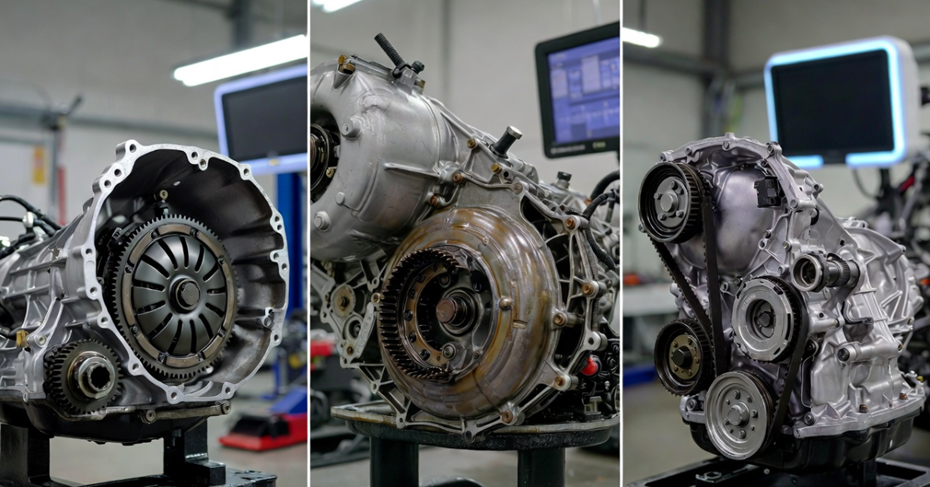
Many drivers ask about transmission failure points and the real lifespan. Others want to know about CVT transmission repair or automatic transmission repair. So let’s break it down simply. There are three main types of transmissions:

  • Automatic
  • Manual
  • CVT, which stands for continuously variable transmission

Each works differently. And each has its own weak spots.

How does an automatic transmission work?

An automatic transmission shifts gears for you. You press the gas, and the car changes gears on its own. It uses fluid pressure, sensors, and internal parts to do this smoothly.

Inside, you’ll find:

  • Planetary gear sets
  • Clutches and bands
  • A torque converter
  • Transmission fluid

The torque converter serves as the link between the engine and the transmission. Fluid pressure helps change gears without you touching a pedal. Automatics are common in the United States because they are easy to drive. But they do have parts that wear over time.

What are common automatic transmission failure points?

Every system has weak spots. With automatics, common transmission failure points include:

  • Worn clutch packs
  • Failed solenoids
  • Damaged torque converters
  • Burnt transmission fluid

For example, if fluid runs low, heat builds up. Heat breaks down internal parts faster. That shortens your lifespan.

If you notice slipping gears, delayed shifting, or strange noises, it is time to get it checked. Many drivers searching for automatic transmission repair in Zeeland wait too long. Small issues often turn into full rebuilds.

How long does an automatic transmission last?

A well-maintained automatic can last 150,000 to 200,000 miles. But that depends on care and driving habits. Your transmission lifespan depends on:

  • Regular fluid changes
  • Towing habits
  • Stop-and-go driving
  • Overheating

For example, towing heavy loads without proper cooling can wear it out early. On the other hand, routine maintenance can add years to its life.

How does a manual transmission work?

A manual transmission gives you full control. You shift gears using a clutch pedal and a gear stick. When you press the clutch:

  • The engine disconnects from the transmission
  • You change gears
  • Then reconnect the power

Manual systems are simpler than automatics. They use fewer electronic parts. That often means lower repair costs. However, driver behavior matters a lot.

What are common manual transmission failure points?

Manual transmissions usually fail because of wear, not electronics. Common transmission failure points include:

  • Worn clutch disc
  • Damaged flywheel
  • Bad synchronizers
  • Leaking seals

If a driver rides the clutch or shifts roughly, parts wear out faster. That reduces overall lifespan. You might notice grinding noises or trouble getting into gear. These signs should never be ignored.

How long does a manual transmission last?

Manual transmissions can last longer than automatics. Many reach 200,000 miles or more with proper care. However, the clutch often needs replacement sooner. Most clutches last 60,000 to 100,000 miles. Think of it like brake pads. The harder you drive, the faster they wear out.

What is CVT, and how does it differ from other types of transmissions?

A Continuously Variable Transmission (CVT) is a type of automatic gearbox that relies on a belt-and-pulley setup rather than a set of fixed gears, allowing for a continuously adjustable range of gear ratios.

Instead of shifting through distinct gears like a traditional transmission, a CVT lets the engine stay close to its most efficient or most powerful RPM, which delivers smoother acceleration and can improve fuel efficiency.

What are common CVT transmission failure points?

CVTs have their own transmission failure points, such as:

  • Worn belts
  • Damaged pulleys
  • Overheating
  • Fluid contamination

Because CVTs rely on precise tension, even small wear can cause slipping. Drivers may feel shuddering or hesitation. When that happens, many start looking for CVT transmission repair in Holland. Early inspection can prevent full replacement.

How long does a CVT transmission last?

CVTs usually last 100,000 to 150,000 miles. Some last longer with proper maintenance. Their transmission lifespan depends heavily on fluid service. CVT fluid is not the same as regular automatic fluid. Using the wrong type can cause serious damage.

Routine service keeps the system cool and properly lubricated.

Which transmission costs more to repair?

Repair costs vary by type and damage.

Here is a general breakdown:

Automatic transmission repair costs

  • Minor repairs: $300 to $1,000
  • Rebuild: $2,000 to $4,000
  • Replacement: $3,000 to $6,000

This is why many drivers seek automatic transmission repair in Zeeland at the first warning sign.

Manual transmission repair costs

  • Clutch replacement: $800 to $2,000
  • Internal repairs: $1,500 to $3,000

Manual systems are often cheaper to fix because they are simpler.

CVT transmission repair costs

  • Minor repair: $1,000 to $2,500
  • Replacement: $3,000 to $7,000

Because CVTs are complex, full replacement is common. That makes early CVT transmission repair in Holland even more important.

How can you extend transmission lifespan?

No matter the type, simple habits make a big difference. To extend your transmission lifespan, you should:

  • Change fluid on schedule
  • Fix leaks quickly
  • Avoid aggressive driving
  • Let your car warm up in cold weather
  • Use the correct fluid type

For example, driving with dirty fluid is like running without oil. Friction increases, and parts wear faster. Regular inspections help catch small issues before they grow.

How do you know when your transmission is failing?

Watch for these warning signs:

  • Slipping gears
  • Burning smell
  • Delayed shifting
  • Fluid leaks
  • Warning lights

These are common transmission failure points showing early symptoms. Acting quickly may save thousands of dollars. Ignoring them often leads to a full rebuild or replacement.

FAQs

What are the signs of transmission failure?

Common signs include slipping gears, delayed shifting, grinding noises, burning smells, and fluid leaks. If your car struggles to move smoothly, have it inspected right away.

How long should a transmission last?

Most transmissions last 150,000 to 200,000 miles with proper care. Driving habits and maintenance greatly affect overall transmission lifespan.

Is CVT transmission repair expensive?

CVT repairs can be costly because of specialized parts. Minor fixes may cost around $1,000, while full replacements can reach $5,000 or more.

Is it worth fixing a transmission?

It depends on your car’s value and condition. If the vehicle is reliable otherwise, repairing the transmission can extend its useful life.

What causes a transmission to fail?

Low fluid, overheating, worn internal parts, and ignored maintenance are common transmission failure points that lead to major damage.

Need Trusted Transmission Service in Holland or Zeeland?

Transmission problems rarely fix themselves. In fact, they usually get worse over time. So the sooner you act, the better.

Whether you need CVT transmission repair or automatic transmission repair in Zeeland, having skilled technicians matters. At Cruz Automotive, we inspect the full system, explain the issue clearly, and recommend practical repair options that fit your vehicle and budget.

If you are noticing warning signs or just want peace of mind, schedule a diagnostic visit with Cruz Automotive today. Taking care of your transmission now can protect your vehicle for years to come and extend its full lifespan.

Complete Car Care – Transmission, Suspension, and Tire Services Under One Roof

When your vehicle needs attention, there’s nothing more convenient than having one trusted place that can handle it all. At Cruz Automotive, we proudly offer complete car care services, from transmission repairs to suspension fixes and tire services, all under one roof. No more running from shop to shop or settling for limited solutions. We’re your one-stop auto repair shop near you in Holland, MI, with the tools, team, and experience to keep your car running smoothly year-round.

Reliable Transmission Shops in Holland

Transmission trouble is one of the most common, and serious, automotive issues drivers face. Whether you’re dealing with delayed shifting, slipping gears, or grinding noises, it’s critical to get your vehicle checked right away. As one of the leading transmission shops in Holland, Cruz Automotive is equipped to handle everything from fluid changes and diagnostics to complete transmission rebuilds.

We work on both automatic and manual transmissions and use advanced diagnostic tools to pinpoint the problem quickly. Our technicians are highly trained and experienced, ensuring your transmission repair is done right the first time. Don’t let shifting problems turn into costly breakdowns. Schedule a transmission service today and keep your drivetrain healthy for the long haul.

Expert Car Suspension Repairs in Holland

Have you noticed a rough ride, uneven tire wear, or clunking sounds when going over bumps? These are all signs your suspension system may be failing. At Cruz Automotive, we specialize in car suspension repairs in Holland, helping local drivers restore ride quality and steering control.

Your suspension isn’t just about comfort, it’s also a major part of your vehicle’s safety system. Worn shocks, struts, or ball joints can negatively affect braking and handling. Whether it’s a full suspension overhaul or a quick fix, our certified mechanics will inspect every component and recommend the best course of action for long-term stability and safety.

Complete Tire Services You Can Trust

Tires are your car’s only contact with the road, which makes proper maintenance essential. Cruz Automotive offers a full range of tire services, including rotation, balancing, flat repair, and replacement. We stock a wide selection of tires for all vehicle types, from compact cars to heavy-duty trucks.

When it’s time for new tires, we help you choose the right brand and model based on your driving habits and budget. We also perform alignments and ensure your tires are wearing evenly, extending their lifespan and improving fuel efficiency. With regular maintenance from our team, you can drive with confidence no matter the season.

Your Local Auto Repair Shop Near You

We understand how important it is to have an auto repair shop near you that you can depend on. That’s why Cruz Automotive is committed to delivering high-quality, honest service to every customer who walks through our doors. Whether you’re dealing with a transmission issue, suspension concern, or need a new set of tires, we’re here to help with quick turnaround times and fair pricing.

Our technicians treat your vehicle like their own and prioritize your safety and satisfaction. Plus, with our transparent estimates and no-pressure approach, you’ll always know exactly what to expect.

Why Choose Cruz Automotive for Complete Car Care Services?

  • ASE-certified mechanics with years of hands-on experience
  • Cutting-edge diagnostic and repair equipment
  • Honest evaluations and upfront pricing
  • A full range of services, from diagnostics to full repairs
  • Convenient scheduling and personalized customer care

Our goal is simple: to provide everything your vehicle needs in one dependable, friendly location. No gimmicks, no guesswork, just solid repairs and trustworthy advice.

Visit Us for Complete Car Care in Holland, MI!

When you need car suspension repairs, a reliable transmission shop in Holland, or trusted complete car care services, Cruz Automotive is your go-to source. We’re proud to serve Holland and the surrounding areas with the same passion and precision we’d give our own vehicles.

Ready to schedule an appointment or learn more about our full-service auto care solutions? Visit Cruz Automotive or stop by our shop today. Let Cruz Automotive keep your car running stronger, longer.

Automatic Transmission Problems? Top Warning Signs You Shouldn’t Ignore

At Cruz Automotive, we know how important your vehicle’s transmission is to your daily life. Whether you’re commuting to work, dropping off the kids, or heading out on a weekend getaway, your car’s automatic transmission plays a critical role in keeping everything running smoothly. But when that system starts to fail, the warning signs can creep up quietly — until you’re left stranded on the side of the road.

If you’ve been searching for “automatic transmission repair near you” or are noticing strange new behaviors in your car, it may be time to act fast. Here’s what to watch out for and how we can help with reliable automatic transmission repair in Grand Haven.

1. Slipping Gears

Does your car suddenly change gears without any input or feel like it’s struggling to stay in gear? That’s a red flag. Gear slipping is one of the most common automatic transmission problems we see at Cruz Automotive. It typically means the transmission bands or clutch plates are worn, or the fluid is low or degraded.

Ignoring slipping gears can lead to serious internal damage. If your car can’t maintain a steady gear, it’s time to bring it in for a proper diagnostic.

2. Delayed or Rough Shifting

If there’s a delay between when you move the gear selector and when the car actually shifts, your transmission could be in trouble. Similarly, if the shift feels jerky, harsh, or loud, it’s more than just an annoyance — it’s a mechanical issue.

When transmission fluid is old or contaminated, it can prevent the hydraulic system from functioning properly. We recommend scheduling automatic transmission repair near you as soon as you notice these symptoms.

3. Unusual Noises

Hearing clunking, humming, or whining while your car is in gear? These are not normal driving sounds. Transmission components like bearings or planetary gears might be worn or damaged. Sometimes, these noises can also be caused by a low or incorrect level of transmission fluid.

Don’t wait until your transmission locks up. At Cruz Automotive, we specialize in diagnosing and fixing automatic transmission problems before they become costly failures.

4. Transmission Fluid Leaks

Transmission fluid is typically red or dark pink. If you notice puddles or spots under your vehicle that match that description, it’s a clear sign something is wrong.

Leaks can come from a damaged pan gasket, cracked lines, or faulty seals. Left unaddressed, fluid loss can cause the entire transmission to overheat and fail. Searching for automatic transmission repair in Grand Haven? Our team can locate and seal the leak quickly and get you back on the road.

5. Warning Lights

Your check engine light might come on for several reasons, but when paired with transmission-related symptoms, it shouldn’t be ignored. Modern vehicles have onboard diagnostics that can detect internal transmission problems and trigger alerts.

At Cruz Automotive, we use state-of-the-art scan tools to read those codes and pinpoint the issue — saving you time, money, and guesswork.

6. Burning Smell

A burning odor could indicate that your transmission fluid is overheating. When fluid loses its lubricating and cooling abilities, friction increases, leading to excessive wear and potential breakdown.

If your vehicle smells like burnt rubber or chemicals after driving, don’t wait. Call our Grand Haven shop and let our experts take a look.

Why Choose Cruz Automotive?

We understand that finding trustworthy “automatic transmission repair near you” isn’t always easy. At Cruz Automotive, we’re proud to be the go-to choice for automatic transmission repair in Grand Haven. Our certified technicians have years of experience working with both domestic and imported vehicles. We use premium parts and fluids, and we stand behind every repair with our satisfaction guarantee.

Don’t Ignore the Signs — We’re Here to Help

Automatic transmission problems don’t fix themselves — they only get worse with time. If you notice any of the warning signs above, trust the team at Cruz Automotive to get your vehicle back to peak performance.

Schedule your appointment today and let us show you why we’re Grand Haven’s preferred destination for automatic transmission repair.