Modern Engine Diagnostics Explained: Sensors, Error Codes & Live Data Analysis

Your car is not just mechanical anymore. It is software-driven.

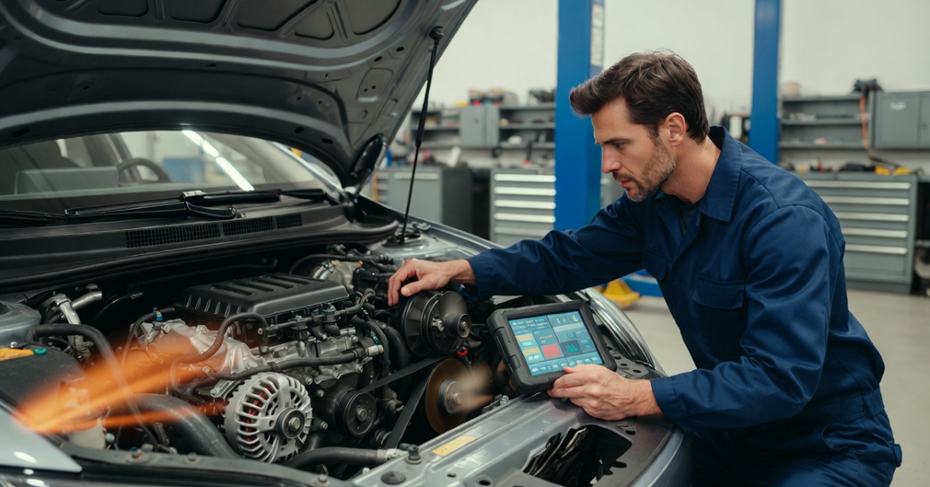
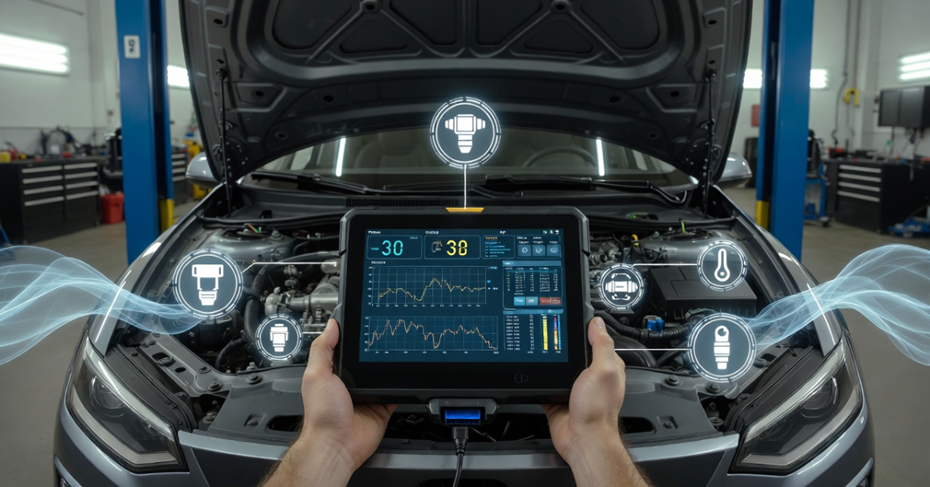
Every time you start the engine, dozens of sensors begin sending signals. The engine control module reads that data in milliseconds. That system is called modern engine diagnostics, and it is constantly checking performance.

It watches air intake, fuel delivery, ignition timing, exhaust output, and transmission behavior. If one value falls outside its normal range, the system flags it. That flag becomes a stored fault code. So diagnostics are not just about reading a light. They are about interpreting patterns inside the engine’s data stream.

How Do Engine Sensors Actually Influence Performance?

Sensors do more than report problems. They control how the engine runs. For example, the oxygen sensor adjusts the fuel mixture in real time. If it reads too lean, the computer adds fuel. If it reads too rich, it reduces fuel. The mass airflow sensor controls how much fuel gets injected.

A bad reading can cause hesitation or stalling. The coolant temperature sensor affects cold starts. If it fails, your engine may run rough or waste fuel. These parts work together. One faulty reading can throw off the whole system. That is why proper diagnostics matter.

What Do Engine Error Codes Mean in Real Terms?

Drivers often ask, what do engine error codes mean? An error code does not say “replace this part.” It tells us which system detected abnormal data.

For example:

  • P0301 means cylinder 1 misfire detected
  • P0171 means the system is too lean
  • P0420 points to catalytic efficiency below threshold

But here is the key: a code is a starting point, not a final answer. A misfire code might mean bad spark plugs. It could also mean a vacuum leak or injector issue. Without testing, replacing parts blindly wastes money.

Reading code is step one. Confirming the root cause is step two. That difference is what separates real diagnostics from guesswork.

Why Is Live Data More Important Than Stored Codes?

Stored codes show what happened. Live data shows what is happening now. When we review live data, we look at fuel trims, throttle position, oxygen sensor switching, transmission pressure, and load values. We compare those numbers to manufacturer specs.

For example, high long-term fuel trim often points to an air leak. If we only clear the code, the issue returns. Live data confirms whether the system corrected itself or still struggles.

This real-time analysis makes modern diagnostics accurate instead of reactive.

How Does the Diagnostic Process Work Step by Step?

Here is how a structured diagnostic approach works:

Step 1: Scan and Document Codes

We retrieve active and stored codes. We note freeze-frame data, which shows engine conditions when the fault occurred.

Step 2: Review Live Sensor Data

We monitor engine speed, fuel trims, voltage readings, and temperature values.

Step 3: Perform Targeted Tests

If we suspect ignition failure, we test coils and plugs. If fuel delivery looks weak, we test pressure and injectors.

Step 4: Confirm Before Replacing

We verify the failed component before installing new parts.

This process prevents unnecessary repairs and protects long-term engine health.

Can Diagnostics Detect Transmission Issues Too?

Yes. Modern vehicles link the engine and transmission systems closely. If shifting feels delayed or harsh, the transmission control module stores codes. Those codes show pressure errors, solenoid faults, or clutch slip conditions.

Drivers often search for transmission diagnostic services in Zeeland after noticing gear hesitation. In many cases, the issue starts with a sensor signal, not internal damage. Live transmission data shows gear ratios, slip speed, and hydraulic pressure.

That detail helps determine whether the issue is electronic or mechanical. For drivers needing transmission diagnostics in West Olive, a proper scan often prevents premature transmission replacement.

Why Do Some Problems Feel Intermittent?

Not all issues stay active. A sensor may fail only when hot. A coil may misfire under heavy load. A transmission may slip only during uphill driving. Stored codes and freeze-frame data show what was happening at the exact moment a problem occurred.

Without diagnostics, occasional issues are hard to track and can become costly. With clear data, it’s easier to spot patterns and fix the problem.

How Do Diagnostics Protect Fuel Economy and Emissions?

When sensors drift out of range, fuel efficiency drops. A faulty oxygen sensor may not cause obvious symptoms. Still, it can increase fuel use by 10 to 20 percent. Misfires increase emissions and strain the catalytic converter. Ignoring them can lead to expensive exhaust repairs.

That is why modern engine diagnostics protect both performance and operating cost. Early detection limits secondary damage.

When Should You Schedule a Diagnostic Check?

You should schedule diagnostics when:

  • The check engine light turns on
  • Fuel mileage drops suddenly
  • Acceleration feels weak
  • Shifting becomes rough
  • The engine idles unevenly

Waiting often makes repairs more complex. Even if the vehicle still drives, stored codes may show developing issues. Data gives clarity before a breakdown happens.

Why Is Clearing Codes Without Testing a Bad Idea?

Clearing codes resets the warning light. It does not solve the cause. If a lean condition exists, clearing the code only delays the light returning. Meanwhile, the engine continues compensating, which stresses components.

Proper diagnostics identify the root cause before a reset. That approach builds long-term reliability.

FAQs

What do engine error codes mean?

Engine error codes show which system detected unusual readings. They point technicians in the right direction, but they do not prove a specific part has failed. Further testing is always needed to confirm the real cause.

How accurate are modern diagnostic scans?

Modern diagnostic scans are very accurate when used correctly. However, reading codes alone is not enough. Accuracy improves when technicians review live data and perform hands-on testing to confirm what the numbers are showing.

Can diagnostics find transmission problems?

Yes, modern diagnostic tools scan both engine and transmission systems. They can detect shifting issues, pressure problems, and electronic faults, helping identify whether the concern is mechanical or related to sensors or control modules.

Is it safe to drive with the check engine light on?

If the light is steady, short trips may be safe, but the issue should still be checked soon. If the light is flashing, it often signals a serious misfire and requires immediate service to prevent damage.

How long does a full diagnostic test take?

A basic diagnostic scan usually takes 30 to 60 minutes. If the issue is complex or intermittent, additional testing and inspection may be needed, which can extend the total time required.

Need Clear Answers, Not Guesswork? Schedule Professional Diagnostics

Engine and transmission systems today rely on precise data signals. When those signals shift, performance follows.

At Cruz Automotive, we do more than read codes. We analyze live data, confirm root causes, and provide accurate solutions. Whether you need transmission diagnostic services in Zeeland or West Olive, or advanced engine analysis, our team focuses on precision.

If your warning light is on or your vehicle feels different, schedule a diagnostic visit with Cruz Automotive today. Accurate testing now prevents expensive repairs later.
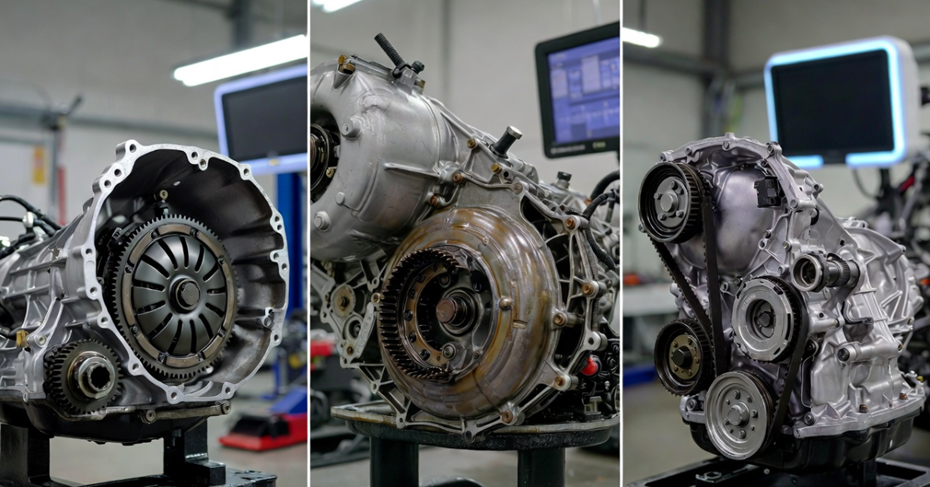
Rebuild vs Replace: How Mechanics Decide the Best Transmission Solution

When your car starts slipping, jerking, or refusing to shift, your stomach drops a little. Then comes the big question: should you rebuild or replace the transmission?

We hear this all the time during transmission diagnostics in Zeeland. And honestly, there is no one-size-fits-all answer. The right choice depends on what failed, how badly it failed, and what you want from your vehicle long term. Let’s walk through.

What Does Your Transmission Actually Do?

Your transmission controls how power moves from the engine to your wheels. It allows your car to change gears smoothly as you speed up or slow down.

When it works, you barely think about it. When it fails, you definitely notice. You might feel:

  • Delayed shifting
  • Slipping between gears
  • Hard jerks when accelerating
  • A burning smell
  • Fluid is leaking under your car

These signs mean it’s time for proper transmission diagnostics in Zeeland, not guesswork.

What Happens During Transmission Diagnostics?

Before we ever talk about repairs, we test. Here’s how that usually works:

Step 1: Computer Scan

We check for error codes stored in your vehicle system.

Step 2: Fluid Inspection

Transmission fluid should be clean and red. If it smells burnt or looks dark, that tells us something.

Step 3: Road Test

We drive the vehicle to feel how it shifts under load.

Step 4: Internal Inspection if Needed

If symptoms are serious, we may open the unit to check internal damage.

Good diagnostics prevent unnecessary repairs. That’s why accurate transmission diagnostics in Zeeland matter so much.

What Does It Mean to Rebuild a Transmission?

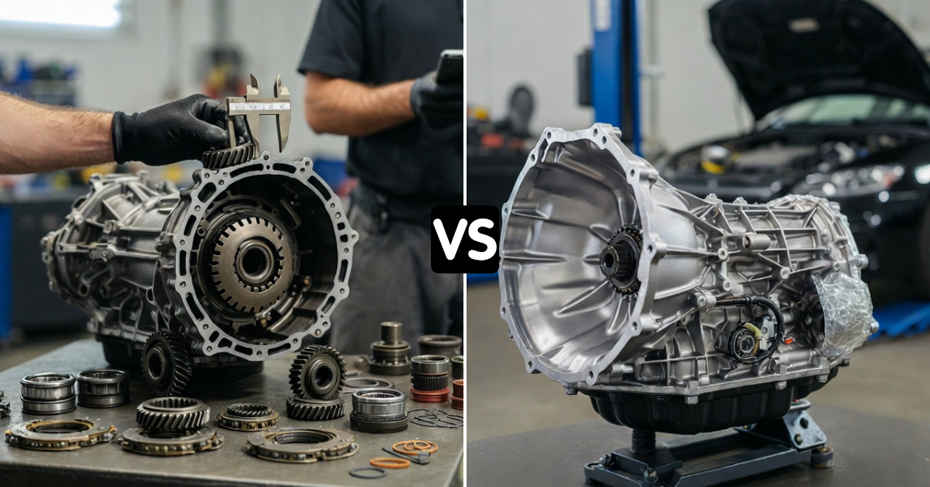
A rebuild means we remove the transmission and take it apart. Then we replace worn parts like seals, clutches, and bands. Strong components stay. Damaged ones go. Think of it like fixing what’s broken instead of replacing the whole machine.

Rebuilding is one of the most common transmission repair options when the damage is contained, and the housing is still solid. It usually costs less upfront. But the final price depends on how much internal damage we find.

What Does It Mean to Replace a Transmission?

Replacement is more straightforward. We remove the entire transmission and install a new or remanufactured unit. This option is often better when:

  • Internal damage is widespread
  • Metal fragments have spread through the system
  • The transmission has failed more than once

Drivers needing automatic transmission repair in Zeeland sometimes choose replacement for long-term reliability, especially if they plan to keep the car several more years.

How Do Mechanics Decide to Rebuild or Replace a Transmission?

We follow logic, not pressure. Here’s what we look at:

How Bad Is the Damage?

If only certain parts are worn, rebuilding may make sense. If damage is everywhere, replacement may be safer.

What Is the Vehicle Worth?

If the repair cost is close to the car’s value, that changes the discussion.

How Do You Use the Vehicle?

Daily commuting is different from towing trailers every weekend.

How Long Do You Plan to Keep It?

If you’re keeping the car long term, replacement may offer peace of mind.

When deciding whether to rebuild or replace the transmission, we match the repair plan to your situation, not just the mechanical issue.

Is Rebuilding Always Cheaper?

Usually, yes. But cheaper today is not always cheaper later. Rebuilding often costs less upfront. Replacement costs more at first, but it may reduce repeat failures.

The smart move depends on the condition of your current unit. That’s why strong transmission repair options start with strong diagnostics.

Can You Keep Driving With Transmission Problems?

Short answer: you shouldn’t.

A slipping transmission causes friction and heat. Heat leads to more damage. More damage leads to fewer repair choices.

Catching the problem early during transmission diagnostics in Zeeland can mean rebuilding instead of replacing. Waiting often removes that option.

How Long Does a Rebuild or Replacement Last?

A properly rebuilt transmission can last many years with good maintenance. A new or remanufactured replacement often lasts longer, especially under heavy use.

After any automatic transmission repair in Zeeland, regular fluid changes and inspections help protect your investment. Maintenance always matters.

What Is the Right Choice for You?

There is no universal rule. Rebuilding may be best if:

  • The damage is limited
  • You want a lower upfront cost
  • The vehicle is older but still reliable

Replacement may be better if:

  • The damage is extensive
  • You plan to keep the vehicle long-term
  • The transmission had already failed before

The key is making the decision based on facts, not fear.

FAQs

How do I know if I need to rebuild or replace the transmission?

The only way to know for sure is through a full inspection and diagnostic test. If the damage is limited to certain parts, rebuilding may work well. If internal damage is widespread, full replacement is usually the safer option.

Is rebuilding a transmission reliable?

Yes, rebuilding can be very reliable when the damage is contained and the work is done properly. The quality of replacement parts and the skill of the technician both play a major role in long-term performance.

How much does automatic transmission repair cost?

Repair costs depend on your vehicle type and how severe the damage is. A rebuild often costs less than full replacement, but a proper diagnostic check is needed to determine the exact repair and final estimate.

What are the warning signs of transmission failure?

Common warning signs include slipping gears, delayed or rough shifting, burning smells, leaking transmission fluid, and grinding noises. If you notice any of these symptoms, it is best to schedule an inspection before the problem worsens.

How long does transmission repair take?

Most transmission repairs take several days, depending on parts availability and repair complexity. In some cases, replacing the transmission may take less time than performing a complete rebuild from start to finish.

Need Honest Advice About Transmission Repair Options in Zeeland?

Transmission problems feel overwhelming. But the decision does not have to be.

If your vehicle is acting up, start with professional transmission diagnostics. Once we see what’s happening inside, we can clearly explain whether you should rebuild or replace the transmission based on your goals and budget.

At Cruz Automotive, we provide straightforward automatic transmission repair in Zeeland and walk you through all available repair options without pressure. Schedule your inspection today and get real answers you can trust.

Automatic, Manual, and CVT Transmissions: Failure Points, Lifespan & Repair Costs

If you drive every day, your transmission works hard. It moves power from the engine to the wheels. When it fails, repairs can get expensive fast.

Many drivers ask about transmission failure points and the real lifespan. Others want to know about CVT transmission repair or automatic transmission repair. So let’s break it down simply. There are three main types of transmissions:

  • Automatic
  • Manual
  • CVT, which stands for continuously variable transmission

Each works differently. And each has its own weak spots.

How does an automatic transmission work?

An automatic transmission shifts gears for you. You press the gas, and the car changes gears on its own. It uses fluid pressure, sensors, and internal parts to do this smoothly.

Inside, you’ll find:

  • Planetary gear sets
  • Clutches and bands
  • A torque converter
  • Transmission fluid

The torque converter serves as the link between the engine and the transmission. Fluid pressure helps change gears without you touching a pedal. Automatics are common in the United States because they are easy to drive. But they do have parts that wear over time.

What are common automatic transmission failure points?

Every system has weak spots. With automatics, common transmission failure points include:

  • Worn clutch packs
  • Failed solenoids
  • Damaged torque converters
  • Burnt transmission fluid

For example, if fluid runs low, heat builds up. Heat breaks down internal parts faster. That shortens your lifespan.

If you notice slipping gears, delayed shifting, or strange noises, it is time to get it checked. Many drivers searching for automatic transmission repair in Zeeland wait too long. Small issues often turn into full rebuilds.

How long does an automatic transmission last?

A well-maintained automatic can last 150,000 to 200,000 miles. But that depends on care and driving habits. Your transmission lifespan depends on:

  • Regular fluid changes
  • Towing habits
  • Stop-and-go driving
  • Overheating

For example, towing heavy loads without proper cooling can wear it out early. On the other hand, routine maintenance can add years to its life.

How does a manual transmission work?

A manual transmission gives you full control. You shift gears using a clutch pedal and a gear stick. When you press the clutch:

  • The engine disconnects from the transmission
  • You change gears
  • Then reconnect the power

Manual systems are simpler than automatics. They use fewer electronic parts. That often means lower repair costs. However, driver behavior matters a lot.

What are common manual transmission failure points?

Manual transmissions usually fail because of wear, not electronics. Common transmission failure points include:

  • Worn clutch disc
  • Damaged flywheel
  • Bad synchronizers
  • Leaking seals

If a driver rides the clutch or shifts roughly, parts wear out faster. That reduces overall lifespan. You might notice grinding noises or trouble getting into gear. These signs should never be ignored.

How long does a manual transmission last?

Manual transmissions can last longer than automatics. Many reach 200,000 miles or more with proper care. However, the clutch often needs replacement sooner. Most clutches last 60,000 to 100,000 miles. Think of it like brake pads. The harder you drive, the faster they wear out.

What is CVT, and how does it differ from other types of transmissions?

A Continuously Variable Transmission (CVT) is a type of automatic gearbox that relies on a belt-and-pulley setup rather than a set of fixed gears, allowing for a continuously adjustable range of gear ratios.

Instead of shifting through distinct gears like a traditional transmission, a CVT lets the engine stay close to its most efficient or most powerful RPM, which delivers smoother acceleration and can improve fuel efficiency.

What are common CVT transmission failure points?

CVTs have their own transmission failure points, such as:

  • Worn belts
  • Damaged pulleys
  • Overheating
  • Fluid contamination

Because CVTs rely on precise tension, even small wear can cause slipping. Drivers may feel shuddering or hesitation. When that happens, many start looking for CVT transmission repair in Holland. Early inspection can prevent full replacement.

How long does a CVT transmission last?

CVTs usually last 100,000 to 150,000 miles. Some last longer with proper maintenance. Their transmission lifespan depends heavily on fluid service. CVT fluid is not the same as regular automatic fluid. Using the wrong type can cause serious damage.

Routine service keeps the system cool and properly lubricated.

Which transmission costs more to repair?

Repair costs vary by type and damage.

Here is a general breakdown:

Automatic transmission repair costs

  • Minor repairs: $300 to $1,000
  • Rebuild: $2,000 to $4,000
  • Replacement: $3,000 to $6,000

This is why many drivers seek automatic transmission repair in Zeeland at the first warning sign.

Manual transmission repair costs

  • Clutch replacement: $800 to $2,000
  • Internal repairs: $1,500 to $3,000

Manual systems are often cheaper to fix because they are simpler.

CVT transmission repair costs

  • Minor repair: $1,000 to $2,500
  • Replacement: $3,000 to $7,000

Because CVTs are complex, full replacement is common. That makes early CVT transmission repair in Holland even more important.

How can you extend transmission lifespan?

No matter the type, simple habits make a big difference. To extend your transmission lifespan, you should:

  • Change fluid on schedule
  • Fix leaks quickly
  • Avoid aggressive driving
  • Let your car warm up in cold weather
  • Use the correct fluid type

For example, driving with dirty fluid is like running without oil. Friction increases, and parts wear faster. Regular inspections help catch small issues before they grow.

How do you know when your transmission is failing?

Watch for these warning signs:

  • Slipping gears
  • Burning smell
  • Delayed shifting
  • Fluid leaks
  • Warning lights

These are common transmission failure points showing early symptoms. Acting quickly may save thousands of dollars. Ignoring them often leads to a full rebuild or replacement.

FAQs

What are the signs of transmission failure?

Common signs include slipping gears, delayed shifting, grinding noises, burning smells, and fluid leaks. If your car struggles to move smoothly, have it inspected right away.

How long should a transmission last?

Most transmissions last 150,000 to 200,000 miles with proper care. Driving habits and maintenance greatly affect overall transmission lifespan.

Is CVT transmission repair expensive?

CVT repairs can be costly because of specialized parts. Minor fixes may cost around $1,000, while full replacements can reach $5,000 or more.

Is it worth fixing a transmission?

It depends on your car’s value and condition. If the vehicle is reliable otherwise, repairing the transmission can extend its useful life.

What causes a transmission to fail?

Low fluid, overheating, worn internal parts, and ignored maintenance are common transmission failure points that lead to major damage.

Need Trusted Transmission Service in Holland or Zeeland?

Transmission problems rarely fix themselves. In fact, they usually get worse over time. So the sooner you act, the better.

Whether you need CVT transmission repair or automatic transmission repair in Zeeland, having skilled technicians matters. At Cruz Automotive, we inspect the full system, explain the issue clearly, and recommend practical repair options that fit your vehicle and budget.

If you are noticing warning signs or just want peace of mind, schedule a diagnostic visit with Cruz Automotive today. Taking care of your transmission now can protect your vehicle for years to come and extend its full lifespan.

Preventive Maintenance vs Reactive Repairs: Which Saves More Money Over 5 Years?

When your car needs service, you have two basic choices. You can plan routine care before problems show up. Or you can wait until something breaks and fix it then. Many drivers want to know which strategy costs less over time. It is a big deal. Car repairs add up fast if they come as a surprise.

Early care sounds like extra spending. But research shows that fixing small issues before they become big ones usually costs less. That is where preventive maintenance cost savings begin to matter. When we compare what happens over five years, the difference in cost and peace of mind becomes clear.

In this article, we explain how both approaches work, what science and industry data show, and how you can choose the best maintenance strategy for your vehicle.

What Is Preventive Maintenance?

Preventive maintenance means caring for your car on a regular schedule. It includes things like:

  • Changing engine oil and transmission fluid
  • Replacing air filters and worn belts
  • Inspecting brakes and tires
  • Checking battery and electrical systems

This kind of maintenance catches small problems early. You fix or replace parts before they fail. That prevents major breakdowns that can cost thousands of dollars.

Studies show that planned maintenance can reduce overall repair costs by about 12 percent to 18 percent compared to a reactive strategy. Preventive care also reduces unexpected failures and downtime.

What Are Reactive Repairs?

Reactive repairs happen after something breaks. You drive until there is a problem, and then you take your car in for service. A broken transmission, a failed alternator, or a blown timing belt suddenly needs fixing.

On the surface, this approach seems cheaper. You only pay when something goes wrong. But breakages rarely stay small. What may have started as a worn part often leads to other damage. One small failure can turn into multiple repairs that cost much more than catching the issue early.

How Much More Does Reactive Maintenance Cost?

Data from maintenance cost studies shows that reactive repair costs can be three to four times higher than preventive maintenance for the same part or system when you count emergency labor, downtime, and parts rush charges.

For example, skipping a $100 fluid change might seem okay. But if that leads to engine damage later, the total repair bill could reach several thousand dollars. In some industries, emergency repairs cost up to 10 times more than planned fixes.

In practical terms, paying for early service is predictable. Paying for unexpected breakdowns is not. Reactive repairs often include extra fees for after-hours labor, expedited parts, and towing.

How Preventive Maintenance Saves Money

1. Lower Emergency Repair Costs

Routine care stops small issues from getting worse. That means fewer big repairs. Most major breakdowns begin with signs you can catch early if you schedule regular service. Fixing a worn belt early costs far less than repairing the engine damage it causes if it breaks.

2. Fewer Unplanned Costs

Breakdowns often happen at inconvenient times. You may need a tow or a rental car. The cost of unplanned downtime adds up quickly. According to industry data, planned checks reduce emergency repairs and unplanned expenses by a significant amount over time.

3. Longer Vehicle Life

A well-maintained car lasts longer. Regular service keeps parts from wearing out prematurely. Vehicles that receive scheduled maintenance tend to reach higher mileages before requiring major overhauls. That means more years on the road and better long-term maintenance savings on costly replacements.

4. More Predictable Budgeting

With preventive maintenance, costs are scheduled and predictable. You can plan oil changes, brake checks, and fluid services before they become emergencies. This makes budgeting for car care much easier.

What Happens Without Regular Maintenance?

Skipping routine care increases the chance of sudden failures. For example:

  • Dirty fluids increase heat and friction, wearing parts faster
  • Worn brake pads can ruin rotors
  • Low fluid levels can damage transmissions

When one part fails, it often affects others. A reactive approach can quickly turn into an expensive cascade of repairs. That is how a small issue can become a big bill.

Real-World Numbers Over Five Years

Let’s imagine two drivers with similar cars:

Driver A: Preventive Maintenance

  • Follows the recommended service schedule
  • Regular oil and fluid changes
  • Periodic brake and belt inspections
  • Replaces small parts before failure

Outcome over 5 years: Lower total costs, fewer surprises, better resale value.

Driver B: Reactive Repairs

  • Services only when something breaks
  • Drives until warning lights or noises appear
  • Repairs critical failures after they happen

Outcome over 5 years: Higher repair bills, unplanned downtime, more stress.

Across industries, preventive care reduces total costs by 12 to 30 percent compared to reactive maintenance. It also improves reliability and extends lifespans.

What Are the Hidden Benefits of Preventive Care?

It is not just about money. Preventive maintenance also:

  • Improves safety by ensuring key systems work properly
  • Helps your vehicle run more efficiently
  • Boosts resale value because buyers trust service records
  • Reduces the chance of being stranded on the road

These benefits matter. They shape the total value you get from your car over time.

When Might Reactive Repairs Make Sense?

Reactive repairs might seem acceptable if your car is old, low-value, or rarely used. In these cases, the risk of major costs may be smaller.

But most drivers use their cars regularly. In that case, a preventive approach makes more sense. The small, regular expenses serve as insurance against high emergency bills. It is a strategy that pays off for most daily drivers.

What Should You Include in a Preventive Plan?

Good preventive care typically includes:

  • Oil and fluid changes
  • Transmission fluid service
  • Tire rotations and pressure checks
  • Brake and belt inspections
  • Battery tests
  • Filter and spark plug replacements

These simple services protect critical systems before they fail.

FAQs

How much can preventive maintenance save?

Studies suggest preventive maintenance reduces repair costs by 12 to 30 percent compared to reactive repairs.

Does preventive maintenance extend vehicle life?

Yes. Regular care prevents wear and delays major failures, helping your car last longer.

What is the highest cost of reactive maintenance?

Major breakdowns, emergency labor, towing, and rushed parts increase overall cost.

How often should a vehicle be serviced?

Follow the manufacturer’s schedule in your owner’s manual for best results.

Is preventive maintenance worth it for older cars?

Usually yes. Even older cars benefit from early repairs before small problems escalate.

Ready to Protect Your Vehicle and Save Over Time?

If you want real long-term maintenance savings, preventive care is the smarter path. Small, consistent service reduces risk, lowers five-year costs, and protects your vehicle’s value.

At Cruz Automotive, we focus on honest inspections and practical solutions. Whether you need routine service or advanced transmission care, our goal is to deliver reliable results without surprises.

If you are searching for the best transmission shop or trusted professionals among auto repair shops in Holland, we are here to help.

Check Engine Light On? What the Most Common Warning Codes Really Mean

If your check engine light turns on, do not panic, but do not ignore it either. If the light is steady, first check that your gas cap is tight, then schedule a diagnostic scan as soon as possible. If the light is flashing, stop driving immediately because this often signals a serious engine misfire that can damage your catalytic converter. The check engine light means your vehicle’s onboard diagnostic system has detected a problem and stored a trouble code that needs to be read with a scan tool.

What Does the Check Engine Light Actually Mean?

Think of your car as having its own nervous system. Every car sold in the U.S. after 1996 has a built-in system called OBD-II. It watches over your engine, emissions, transmission, and fuel system around the clock. Hundreds of tiny sensors feed it information nonstop.

When something goes wrong, the system flags it with a trouble code, usually something like P0420 or P0300. Then it switches on that little amber light on your dashboard. The light doesn’t tell you what broke. It just tells you something broke. That’s where a proper scan comes in.

Steady vs. Flashing Check Engine Light

Here’s the big thing most people miss: how the light behaves matters just as much as the light being on.

Steady Light = Don’t Freak Out, But Don’t Ignore It

A solid light usually means a minor to moderate issue. Your car caught something off and logged it. You can drive for a short while, but get it checked quickly. Small problems have a way of growing into big, expensive ones when you put them off.

Flashing Light = Pull Over Now

A flashing light is your car screaming at you. It means the engine is misfiring badly — unburned fuel is shooting into the exhaust system. This can fry your catalytic converter in just a few minutes of driving.

Stop the car. Turn off the engine. Call a tow. Seriously, don’t push your luck on this one.

Most Common Reasons the Check Engine Light Turns On

Most check engine light visits come down to the same handful of culprits. Here they are, straight up.

1. Loose or Missing Gas Cap

Yep, it can be that simple. A loose gas cap lets fuel vapors escape. The emissions system picks that up and goes, “Hey, something’s leaking.” Tighten the cap, and the light usually clears itself after a few drives.

2. Faulty Oxygen Sensor

Your car has oxygen sensors in the exhaust that track how well your engine is burning fuel. When one goes bad, the engine gets the wrong information and starts wasting gas. Leave it too long, and it’ll damage your catalytic converter too. Common codes: P0138, P0141.

3. Bad Spark Plugs or Ignition Coils

Spark plugs light the fuel inside your engine. When they wear out, the engine starts misfiring, basically, some cylinders stop doing their job. You’ll feel it as a shaky idle or sluggish acceleration. This is also what causes that scary flashing light. Common codes: P0300–P0308.

4. Catalytic Converter Issues

The catalytic converter cleans up your exhaust before it leaves the tailpipe. When it fails, usually because of ignored spark plugs or a bad oxygen sensor, your car loses power and starts smelling like rotten eggs. It’s one of the pricier fixes, which is exactly why you want to catch the smaller problems before they get here. Common code: P0420.

5. Transmission Sensor Problems

Your transmission has sensors watching speed, temperature, and gear shifts. When one acts up, the check engine light kicks on, and your car might start shifting weirdly or hesitating. Catch it early, transmission repairs get real expensive, real fast.

Common OBD-II Warning Codes — Quick Reference

Code What It Means Severity Can You Drive?
P0420 Catalytic Converter Efficiency Low 🔴 High Short distances only
P0300 Random/Multiple Engine Misfires 🔴 High No, stop driving
P0301–P0308 Misfire in Specific Cylinder 🔴 High No, stop driving
P0171 Engine Running Too Lean (Bank 1) 🟡 Moderate Yes, but get it checked soon
P0174 Engine Running Too Lean (Bank 2) 🟡 Moderate Yes, but get it checked soon
P0138 Oxygen Sensor High Voltage (Bank 1) 🟡 Moderate Yes, but don’t delay
P0141 Oxygen Sensor Heater Fault 🟡 Moderate Yes, but don’t delay
P0440 Evaporative Emission System Fault 🟢 Low Yes, schedule a scan
P0455 Large Evap Leak (often a gas cap) 🟢 Low Yes, check the gas cap first
P0500 Vehicle Speed Sensor Malfunction 🟡 Moderate Cautiously,  affects shifting
P0700 Transmission Control System Fault 🔴 High No, get it diagnosed fast
P0128 Engine Coolant Temp Below Normal 🟡 Moderate Yes, but the  thermostat may be failing

Can You Reset the Check Engine Light?

Short answer: yes. But it’s not as clever as it sounds.

You can plug an OBD-II scanner into the port under your dashboard, pull the trouble code, and clear it. The light goes off. Problem solved, right?

Wrong.

If you didn’t actually fix what caused the light, it’ll come right back. Usually, within a few days of driving. You haven’t fixed anything — you’ve just turned off the alarm while the problem keeps getting worse.

There’s really only one good reason to reset the light: to confirm a repair actually worked. If the light stays off after the reset, you’re good. If it comes back, the fix didn’t take.

How a Professional Diagnostic Test Works?

A free code read at an auto parts store is a start, but it’s not a diagnosis. Here’s what a real diagnostic test actually looks like.

Code Scanning

A technician hooks up a pro-grade scanner and pulls every stored code from your OBD-II system. This points to which system or part triggered the light.

Live Data Monitoring

The technician watches your engine’s sensors in real time while the car runs. This shows how things are actually performing right now, not just when they failed.

Component Testing

Based on the codes and live data, the technician tests the actual parts, checking sensor signals, wiring, fuel delivery, and more, to nail down the exact problem.

Repair Estimate

Once the root cause is confirmed, you get a straight answer on what’s broken and what it costs to fix it. No guesswork, no fluff.

The difference between a free scan and a full diagnostic is like the difference between a doctor saying “you have a fever” versus figuring out why you have a fever. One gives you a clue. The other gives you a solution.

Check Engine Light On in Holland, MI? Here’s Your Next Move

If you’re in the Holland, MI area and that light just came on, don’t sit on it.

A professional diagnostic scan will tell you exactly what’s going on,  fast. Whether it’s something small like a gas cap or something bigger under the hood, the only way to know for sure is to get it scanned by someone who knows what they’re doing.

Cruz Automotive offers thorough diagnostic scans with real technicians and professional tools. Get it checked before a small issue turns into a big bill.

FAQs

Can I drive with the check engine light on?

If it’s steady, you can drive carefully for a short time, but get it scanned ASAP. If it’s flashing, stop driving right now. A flashing light means your engine is misfiring badly and can wreck your catalytic converter in minutes.

How long can I ignore a check engine light?

Honestly? Not long. Even if your car feels fine, something is off under the hood. Give it a day or two at most before getting it checked. A flashing light? That’s a same-day emergency, no question.

Will the check engine light turn off by itself?

Sometimes. If the problem fixes itself,  like a gas cap that was just a little loose, the light may go off after a few normal drives. But if the issue is still there, the light will come right back.

Is a check engine light always expensive to fix?

Not at all. A new gas cap is under $20. An oxygen sensor replacement usually runs $150–$300. But if it turns out to be a catalytic converter, you could be looking at $1,000 or more. The only way to find out what you’re dealing with is a proper diagnostic scan.

Why Is My Car Making That Noise? Common Causes Explained

What does it mean when your car makes unusual noises?

Unusual car noises usually indicate wear, loose components, fluid problems, or mechanical failure. Squealing often means belt issues, grinding points to brake damage, knocking suggests engine combustion or lubrication trouble, rattling may indicate exhaust or suspension problems, and hissing can signal coolant or vacuum leaks. Ignoring these sounds can lead to expensive repairs or safety risks.

Modern vehicles are engineered to run smoothly. When a new sound appears, it is usually your car’s early warning system.

Quick Summary:

In this article, we will learn:

  • What common car noises usually mean
  • When it is unsafe to keep driving
  • How mechanics diagnose unusual car noises
  • What you can check yourself before visiting a shop
  • Typical repair costs and risk levels

What do different car noises usually mean?

Different sounds point to different systems. Here is a clear breakdown of the most common noises and what they typically indicate.

Squealing noise when starting or accelerating

Squealing usually means the serpentine belt is worn, loose, or slipping.

  • Likely cause: Serpentine belt or pulley
  • Risk level: Low to moderate
  • Urgency: Inspect within 1 to 2 weeks

The serpentine belt powers components like the alternator and air conditioning. If it fails, your car may stall. While this issue is not immediately dangerous, waiting too long increases the chance of a breakdown.

Grinding noise when braking

Grinding while braking almost always means the brake pads are worn down completely.

  • Likely cause: Worn brake pads
  • Risk level: High
  • Urgency: Immediate repair

When brake pads wear out, metal rubs against the rotor. This damages both parts and increases the stopping distance. According to the National Highway Traffic Safety Administration, brake-related issues contribute to thousands of crashes each year. Driving with grinding brakes is unsafe and can multiply repair costs quickly.

Knocking or pinging from the engine

Knocking from the engine usually indicates improper fuel combustion or low oil levels.

  • Likely cause: Combustion issue or internal engine wear
  • Risk level: High
  • Urgency: Diagnostic test required

Low oil reduces lubrication, which causes metal components to strike each other. According to AAA, engine-related problems are one of the top causes of roadside breakdowns in the U.S. Experts recommend checking oil levels immediately if knocking begins suddenly.

Rattling under the car

Rattling underneath the vehicle often means a loose heat shield or exhaust component.

  • Likely cause: Loose exhaust or heat shield
  • Risk level: Moderate

While this may not affect driving immediately, parts can detach over time. Industry best practice suggests addressing exhaust rattles early to prevent further damage.

Comparison Table: Common Car Noises and Risk Levels


Noise Type Most Likely Cause Risk Level Repair Urgency
Squealing Serpentine belt Low to Moderate Within 1–2 weeks
Grinding Brake pads High Immediate
Knocking Engine issue High Diagnostic ASAP
Rattling Exhaust/suspension Moderate Schedule inspection

When Is It Unsafe to Drive With a Noise?

Some noises are “get it looked at soon” problems. Others mean you should pull over right now. Here’s how to tell the difference:

  • The noise gets noticeably louder or more frequent within a short drive, which means something is actively failing.
  • Your check engine light or brake warning light appears alongside the noise. Indicating your car is flagging a specific problem.
  • Steering feels loose, heavy, or vibrates in new ways. This can affect vehicle control at speed.
  • Braking feels spongy, pulls to one side, or takes longer. As compromised brakes are a safety emergency.
  • You smell something burning. Burning rubber (belt), burning metal (brakes), or a chemical smell (electrical) all mean stop immediately.

According to the Car Care Council, 77% of vehicles need maintenance or repairs at any given time. Many of those issues begin as ignored sounds. While minor squeaks can wait briefly, braking or engine-related noises require immediate attention.

When in doubt: pull over safely, turn off the engine, and call your mechanic. A tow is always cheaper than an engine rebuild or your safety.

Can I Diagnose Car Noises Myself?

Yes, you can do a few simple checks at home before calling a shop. These won’t replace a full inspection, but they can give you helpful clues and sometimes point to an obvious issue right away.

Here are a few things you can safely look at:

●     Check the Serpentine Belt

Make sure the engine is off and cool. Then look at the belt for cracks, fraying, a shiny surface, or missing pieces. If you notice any of these, the belt likely needs to be replaced.

●     Look at Your Brake Pads

You can often see the brake pads through the wheel spokes. If the pad material looks very thin, about a quarter inch or less, or if the rotor surface looks scratched or grooved, it’s probably time for new brakes.

●     Check the Oil Level

If you hear ticking or knocking, start with the oil. Pull out the dipstick, wipe it clean, put it back in, and pull it out again to check the level. If the oil is low or looks very dark and dirty, that alone can cause noise and should be addressed first.

●     Inspect the Tires

A steady thumping sound at highway speed could mean a flat spot, a bubble in the sidewall, or a missing wheel weight. Look for uneven tread wear, visible damage, or objects stuck in the tire.

Why Professional Diagnostics Are More Accurate?

Basic checks are helpful, but they have limits. Mechanics use tools and experience that most drivers don’t have.

For example, an OBD-II scanner can read trouble codes stored in your car’s computer, even if the check engine light is not on. A lift inspection allows a technician to see worn bushings, loose components, cracked mounts, or exhaust problems that you simply can’t see from the ground. And during a road test, an experienced technician can pick up on sounds that only happen while driving, not when the car is sitting still.

In many cases, getting a professional diagnosis early can save money because it prevents guessing and replacing parts that aren’t actually the problem.

How Mechanics Diagnose Car Noises?

Mechanics diagnose car noises by road testing the vehicle, scanning the onboard computer for codes, performing a full digital inspection, and examining the car on a lift to check hidden components. This structured process helps them find the exact source instead of guessing and replacing parts unnecessarily.

If you are hearing a new or unusual sound, getting a proper diagnosis early often prevents a small issue from turning into a major repair. Here is how mechanics diagnose car noises in a typical visit.

1. Road Test

First, the technician drives your car. They try to repeat the noise under the same conditions you described, such as:

  • At idle
  • During acceleration
  • While braking
  • When turning
  • At highway speeds

This helps them hear and feel the issue directly. For example, a noise during braking points to the brake system, while a sound during turns may involve suspension or CV joints. Reproducing the noise is often the key to narrowing down the right system.

2. OBD-II Scan

Next, they connect a scanner to your car’s onboard diagnostic port under the dashboard. This is called an OBD-II scan. The scanner can:

  • Read stored trouble codes
  • Detect pending codes
  • Show live sensor data

Even if you do not see a warning light, your car’s computer may already be tracking a problem. The scan gives early clues that cannot be heard just by listening to the engine.

3. Digital Vehicle Inspection (DVI)

Many repair shops now perform a full digital vehicle inspection. This is a multi-point check of major systems, including:

  • Belts and hoses
  • Brakes
  • Tires
  • Fluid levels and condition
  • Lights
  • Steering and suspension parts

This step ensures the mechanic is not just fixing one noise while missing another developing issue. It gives you a full picture of your vehicle’s overall condition.

4. Lift Inspection

Finally, the car is raised on a lift. This allows the technician to see parts that are impossible to inspect from the ground. On a lift, they can check for:

  • Worn CV boots
  • Loose or cracked exhaust hangers
  • Rusted or damaged brake hardware
  • Loose heat shields
  • Worn suspension bushings
  • Fluid leaks

Many rattles, clunks, and vibration issues are confirmed during this stage because the undercarriage is fully visible.

Hearing Something Strange in Holland, MI?

If you’re driving around Holland, on US-31, James Street, or the lakeshore roads, and your car is making a sound you’ve never heard before, don’t wait to see if it goes away on its own. Most mechanical noises don’t self-correct; they get worse.

Professional diagnostics at a trusted local shop can identify the root cause before it cascades into a much larger repair. Our team uses current OBD-II diagnostic tools, performs thorough lift inspections, and gives you a clear, honest assessment of what’s going on and what it’ll take to fix it.

FAQs

What Is the Most Serious Car Noise?

The most serious car noises are deep metallic engine knocking and metal grinding from the brakes because both can signal severe mechanical failure. Engine knocking may indicate worn internal bearings, while brake grinding usually means the brake pads are completely worn down. If you hear either sound, stop driving and have the vehicle inspected immediately.

Can Low Oil Cause Knocking Sounds?

Yes, low oil can cause engine knocking because internal engine parts are not properly lubricated. When oil levels drop, metal components begin rubbing together, which creates a knocking or tapping noise. If you hear knocking, check the dipstick right away. Add the correct oil if low. If the noise continues, stop driving and schedule an inspection.

Why Does My Car Make a Noise When Turning?

A clicking or popping noise while turning is most commonly caused by a worn CV joint. This happens when the protective rubber boot cracks, grease leaks out, and the joint wears down. Because these parts affect steering control, it is important to have the vehicle checked soon.

How Much Does It Cost to Fix Car Noises?

Car noise repair costs typically range from $75 to over $2,500, depending on the cause and how long the problem has been ignored. Minor issues are inexpensive, but internal engine damage can be costly.

Common repair cost ranges:

  • Serpentine belt replacement: $75 to $200
  • Brake pads per axle: $150 to $300
  • Brake pads and rotors per axle: $300 to $600
  • CV joint repair: $200 to $400
  • Exhaust heat shield repair: $75 to $150
  • Engine diagnostic: $100 to $150
  • Engine bearing repair: $500 to $2,500 or more

Fixing the issue early usually keeps costs lower and prevents larger repairs.

Is It Safe to Drive With a Knocking or Grinding Noise?

No, it is not safe to drive with a knocking engine or grinding brakes because both indicate serious mechanical problems. Continuing to drive can cause severe engine damage or reduced braking ability. If the sound is loud, consistent, or getting worse, limit driving and schedule service as soon as possible.

Affordable Auto Engine Repair: What Impacts the Cost in 2026?

Looking for auto engine repair near you can feel overwhelming. One strange sound can make you worry. A warning light can raise stress fast. Many drivers fear high costs and confusing repair bills.

In 2026, engine repair costs follow clear patterns. When you understand them, things feel more manageable. We believe knowing what affects pricing helps drivers stay calm and make smart choices. This guide breaks everything down in plain language.

Why Engine Repair Costs Matter More Today?

Cars last longer than they used to. That is good news for drivers. At the same time, engines have become more complex. They now use sensors, computers, and electronic controls.

These systems help engines run better. However, they also take more time to diagnose and repair. For drivers needing engine repair services in Holland, this means pricing depends on both parts and labor. Knowing this early helps avoid surprises.

What Engine Repair Really Means?

Engine repair does not always mean major work. Many problems start small. When caught early, repairs stay simple and affordable.

Engine repair can include fixing leaks, replacing worn parts, or adjusting engine systems. In some cases, it involves deeper internal work. The cost depends on how far the problem has gone.

Common Engine Problems Drivers See

Most engine issues give warning signs. Paying attention helps prevent bigger damage later.

Common engine problems include:

  • Rough starts or shaking while driving
  • Oil spots under the car
  • Overheating or warning lights
  • Loss of power or poor gas mileage

Each issue has a different cause and cost. Early fixes almost always cost less than delayed repairs.

What Affects Engine Repair Service Costs in 2026?

Several clear factors influence engine repair service costs. These factors apply to most vehicles and repair shops.

Type of repair needed

Simple repairs cost less. Replacing spark plugs or belts is fairly quick. Internal engine repairs take more time and skill.

Parts prices

Some parts are easy to find. Others are model-specific and cost more. Supply delays can also raise prices.

Labor time

Engine repairs take time. Technicians must inspect, test, and fix problems carefully. More labor hours increase the total cost.

Vehicle make and age

Some cars need special tools or parts. Older cars may have worn systems that need extra work. Both affect pricing.

How Location Impacts Engine Repair Pricing?

Where you live plays a role in repair costs. Shops in large cities often charge more. Higher rent and wages raise prices.

Drivers searching for engine repair services in Holland often see more balanced pricing. Local shops understand common driving conditions. This helps them diagnose issues faster and avoid unnecessary repairs.

The Role of Technology in Modern Engine Repairs

Modern engines rely on computers to run properly. Sensors track temperature, airflow, and fuel use. When something goes wrong, warning lights turn on.

Technicians must scan the system to find the issue. This takes time but improves accuracy. While diagnostics add some cost, they often prevent repeat repairs and wasted money.

Why Early Repairs Save Money?

Small problems rarely fix themselves. Ignoring them usually leads to bigger damage. Early repairs protect the engine and lower costs.

For example, a small oil leak may seem harmless. Over time, low oil can damage engine parts. Fixing the leak early costs far less than repairing engine damage later.

This is a key part of engine repair affordability.

Preventive Maintenance Keeps Engines Healthy

Routine maintenance plays a big role in reducing repair costs. It helps catch problems early and extends engine life.

Helpful maintenance habits include:

  • Regular oil changes
  • Checking fluid levels
  • Watching warning lights
  • Fixing leaks quickly

These steps help engines run smoothly and reduce surprise repairs.

How to Compare Engine Repair Options?

When engine trouble shows up, many drivers feel rushed. Taking a little time to compare options helps avoid overpaying.

Smart ways to compare repairs:

  • Ask for a written estimate
  • Request clear explanations
  • Ask about warranties
  • Find out if repairs are urgent

Clear answers help you make confident decisions.

Repair vs Replacement Explained Simply

Some engine issues raise a tough question. Should you repair the engine or replace it? The answer depends on a few factors.

If the car is newer and in good shape, repair often makes sense. If the car has many problems, replacement may not be worth the cost. A trusted shop can explain both options in plain terms.

Why Local Repair Shops Matter?

Local shops depend on trust. They build relationships with drivers over time. This often leads to honest advice and fair pricing.

Cruz Automotive LLC focuses on clear communication and practical solutions. Local experience helps explain problems simply. Drivers know what they are paying for and why.

Planning for Engine Repairs

Engine repairs are part of owning a car. Planning makes them easier to handle.

Simple planning tips:

  • Set aside a small repair fund
  • Keep service records
  • Fix small issues early
  • Know a reliable repair shop

These steps reduce stress when repairs are needed.

How Engine Repair Costs Compare to Ongoing Maintenance?

Industry data shows that doing regular maintenance costs much less over time than fixing big problems later. Skipping care often leads to higher expenses later. Spending a little on upkeep helps avoid large repair bills. This approach supports long-term engine repair affordability.

FAQs

What affects engine repair service costs the most?

The repair type, labor time, and parts prices matter most. Early diagnosis helps reduce total costs.

How do I find affordable auto engine repair near me?

Look for local shops with clear pricing and strong reviews. Honest explanations help keep costs reasonable.

Can maintenance really lower engine repair costs?

Yes. Routine care prevents major damage and extends engine life. Small fixes cost far less than large repairs.

Are newer cars more expensive to repair?

They often require more diagnostics. Older cars may need more part replacements. Costs depend on the issue.

When should I replace an engine instead of repairing it?

Replacement may make sense if repair costs exceed the car’s value. A professional inspection helps decide.

Schedule Trusted Engine Repair in Holland

Understanding what affects engine repair service costs helps you make informed choices. Early care, routine maintenance, and clear estimates all support better outcomes. Choosing the right shop matters.

If you need dependable engine repair services in Holland, help is close by. Contact Cruz Automotive LLC to schedule an inspection or discuss repair options. When you need reliable auto engine repair nearby, working with a trusted local team helps protect your vehicle and your budget.


Signs Your Suspension System Is Failing Faster Than Expected

The suspension system in your car plays a vital role in ensuring a safe and comfortable drive. It helps your vehicle stay stable over bumps and around corners. But when early suspension wear sets in, it can lead to unsafe driving and costly repairs. Knowing the signs early can save time, money, and stress.

What Is a Car Suspension System?

A suspension system includes shocks, struts, springs, and linkages. These parts work together to absorb road bumps and keep your car steady. Think of it like the springs on a mattress; they cushion movement and support weight. Without a healthy suspension, your ride feels rough, and your tires wear unevenly.

Even small problems like worn shocks can affect steering and braking. That is why a suspension inspection checklist is useful for spotting issues early.

1. Uneven Tire Wear

One of the first signs of trouble is uneven tire wear. If your tires look more worn on one side than the other, it could mean your suspension isn’t holding your car level. This happens because worn shocks or struts let your car tilt too much in corners or over bumps.

Check your tires regularly. Uneven wear can also affect fuel efficiency and safety. If you notice this, ask auto repair shops in Holland to do a quick suspension check.

2. The Car Bounces Too Much

Your car should absorb bumps smoothly. If you feel it bouncing excessively after hitting a pothole or speed bump, your shocks or struts may be failing. Bounce tests are simple, you can push down on the hood and see how fast the car settles. If it continues to bounce, it’s time for professional help.

This is often one of the first signs of early suspension wear, and addressing it quickly prevents further damage to your vehicle.

3. Pulling or Drifting While Driving

Does your car pull to one side or drift when driving straight? This could signal worn suspension components or alignment problems. A failing suspension can make it hard to keep your car straight, especially at higher speeds.

Noticing this early allows you to schedule auto suspension repair near you before it affects braking or tire life.

4. Strange Noises

Clunking, squeaking, or rattling noises when driving over bumps often point to suspension issues. These sounds happen when parts like bushings or ball joints become loose or worn.

It may seem minor at first, but ignoring these noises can lead to more expensive repairs. A suspension inspection checklist can help identify the exact problem quickly.

5. Steering Feels Loose or Unresponsive

Your steering should feel precise and stable. If it feels loose, heavy, or unresponsive, your suspension might be to blame. Worn shocks or struts reduce your car’s ability to react correctly to steering input.

Loose steering is a safety concern. Visiting auto repair shops in Holland for a thorough check is important to restore control and confidence while driving.

6. Vehicle Sags or Leans

A sagging or leaning car is a clear sign of suspension problems. This can happen when springs weaken or fail. You may notice your car leaning to one side when parked or having uneven ground clearance.

It’s easy to spot visually, but fixing it quickly through auto suspension repair prevents uneven tire wear and other mechanical stress.

7. Difficulty Braking Smoothly

A failing suspension affects braking. If your car dips forward when braking or feels unstable, the shocks or struts might not be doing their job. This increases stopping distance and reduces safety during emergencies.

Regular checks using a suspension inspection checklist ensure braking performance stays optimal.

How to Prevent Early Suspension Wear?

Suspension issues often start small but can worsen quickly if left unchecked. Taking a few simple steps can help extend the life of your suspension and keep your vehicle safe.

Rotate tires regularly

If tires remain in one position for an extended period, they can start to wear down unevenly. We recommend rotating your tires every 5,000–7,000 miles. This spreads the wear evenly and reduces stress on your shocks and struts. For example, if the front tires wear faster, your car may start pulling to one side, signaling early suspension wear.

Avoid potholes and rough roads

Hitting a pothole or driving on a badly damaged road can bend or break suspension parts. Even small bumps over time can loosen components. Slowing down on rough roads or taking alternate routes helps prevent damage and keeps your ride smooth.

Inspect your suspension system regularly

A simple check can reveal worn shocks, sagging springs, or loose bushings before they become serious problems. Ask your technician to perform a detailed inspection. Catching problems early often saves hundreds of dollars in repairs.

Replace worn components immediately

If you notice worn shocks, broken springs, or squeaky bushings, get them fixed right away. Ignoring these issues can lead to more serious problems, like uneven tire wear or poor braking performance. Acting quickly preserves both safety and comfort.

Schedule routine maintenance

Even if your car feels fine, regular visits to a trusted auto repair shop can prevent hidden suspension issues. Routine checks give your technician a chance to spot small problems before they become major repairs.

FAQs

Q1: How often should I get my suspension checked?

A1: Every 12,000–15,000 miles, or if you notice any of the warning signs listed above.

Q2: Can I drive with a failing suspension?

A2: Short distances are possible, but it’s unsafe for long trips. Repairing early saves money and risk.

Q3: What’s included in a suspension inspection?

A3: A technician checks shocks, struts, springs, bushings, and alignment. They may also look for leaks and damage.

Q4: How much does suspension repair cost?

A4: Costs vary by car and parts needed. Minor repairs may be a few hundred dollars, while major replacements can be higher.

Q5: Can poor roads cause early suspension wear?

A5: Yes, rough roads, potholes, and heavy loads speed up wear. Avoiding extreme conditions helps extend suspension life.

Take Action: Schedule a Suspension Check Today

If you notice any of these warning signs, don’t wait. A quick inspection can prevent further damage and keep you safe on the road. At Cruz Automotive LLC, we provide expert auto suspension repair and a detailed suspension inspection to ensure your vehicle stays in top condition. Trust our team at auto repair shops in Holland to spot issues early and fix them efficiently.

Schedule your appointment today and keep your ride smooth, safe, and reliable.


Suspension Problems That Cause Rough Rides and Uneven Tire Wear

A smooth ride makes driving safer and more comfortable. But if your car feels bumpy, pulls to one side, or your tires wear unevenly, these could be bad suspension symptoms. Your suspension system absorbs shocks from the road and keeps your tires in contact with the surface.

What Is a Car Suspension System?

Your car’s suspension system includes shocks, struts, springs, and linkages. These parts work together to keep the ride smooth and stable. Imagine riding a bicycle over rough ground, without suspension, every bump would jolt you. Cars use suspension to absorb road shocks, maintain tire contact, and keep you safe. Over time, wear and tear can cause components to fail, leading to bad suspension symptoms like rough rides or uneven tire wear.

Common Suspension Problems

Worn Shock Absorbers or Struts

Shocks and struts control how your car reacts to bumps and turns. If they wear out, your vehicle can bounce excessively. You might notice swaying when turning or heavy braking. Worn shocks also increase tire wear, which can create alignment problems. If you see these signs, schedule car suspension repairs in Holland promptly.

Broken or Sagging Springs

Springs support your car’s weight and keep it level. When a spring breaks or sags, one side of the car may sit lower than the other. This can cause uneven tire wear and make steering feel off. Springs may break from age, rust, or carrying heavy loads frequently. Getting suspension repair near you helps restore proper ride height and safety.

Worn Ball Joints or Tie Rods

Ball joints and tie rods connect your wheels to the suspension. If they wear out, your wheels can wobble or feel loose. Driving like this can damage tires and affect steering. Signs include clunking noises and uneven tire wear. Replacing these parts is a common car suspension repair in Holland.

Bushings and Mounts

Suspension bushings are rubber parts that absorb vibration and reduce friction. Worn bushings cause noise, vibrations, and rough handling. Mounts that hold shocks or struts can also wear, leading to poor ride quality. Addressing these issues early prevents further suspension alignment issues.

How Suspension Problems Affect Your Tires?

Uneven tire wear is one of the first clues of suspension trouble. If shocks, struts, or springs fail, your tires do not stay flat on the road. This causes certain areas to wear faster, reducing tire life and safety. You may notice one side wearing more than the other or irregular patterns on the tread. Checking suspension components regularly can prevent costly tire replacement. At Cruz Automotive LLC, we inspect suspension parts and tire alignment to ensure your vehicle drives safely.

Detecting Bad Suspension Symptoms Early

You can identify suspension issues before they become serious. Look for these common bad suspension symptoms:

  • Bumpy or rough rides over normal roads
  • The car pulls to one side while driving
  • Uneven tire wear or bald spots
  • Swaying or bouncing when turning or braking
  • Clunking or rattling noises from the suspension

If you notice any of these signs, it is a good idea to search for suspension repair near you. Early attention prevents bigger problems and keeps you driving safely.

Suspension Alignment Issues Explained

Suspension alignment issues happen when wheels are not perfectly straight or parallel. Poor alignment makes steering harder and causes tires to wear unevenly. Even new tires can wear quickly if alignment is off. A proper alignment adjusts angles like camber, caster, and toe, helping tires last longer. Regular inspections are important, especially after suspension work or hitting a pothole.

Steps for Effective Suspension Repair

Getting your suspension fixed may feel complex, but repair shops follow clear steps:

  1. Inspection – Mechanics check shocks, struts, springs, bushings, and mounts.
  2. Testing Ride Quality – They test the car over bumps and turns.
  3. Alignment Check – Wheels are measured for proper angles and adjusted.
  4. Replacement or Repair – Worn parts are replaced with new, high-quality components.
  5. Final Test Drive – The car is driven to confirm smooth, safe handling.

By following these steps, you can prevent suspension issues and prolong tire life.

Preventing Suspension Problems

You can reduce suspension wear by following simple practices:

  • Avoid potholes and rough roads when possible
  • Replace shocks, struts, and springs at recommended intervals
  • Rotate tires regularly to prevent uneven wear
  • Inspect suspension parts during oil changes or routine service

These actions keep your ride smooth and tires healthy while reducing long-term repair costs.

Why Choose Professional Suspension Repair?

DIY fixes may seem tempting, but suspension work requires experience and proper tools. Improper repairs can worsen suspension alignment issues or cause accidents. Professional services ensure safe and reliable results.

At Cruz Automotive LLC, we provide thorough inspections, expert repairs, and alignment checks. Choosing skilled mechanics protects your car and improves ride comfort.

FAQs

  1. How can I tell if my suspension has gone bad?
    Look for bumpy rides, uneven tire wear, car pulling, or noises from shocks and struts.
  2. Can I drive with bad suspension?
    Short trips may be okay, but driving long distances can be unsafe and damage tires.
  3. How much does suspension repair cost?
    Costs vary by parts and labor. An inspection from a trusted shop provides a precise estimate.
  4. How often should I check my suspension?
    A suspension check every 12,000–15,000 miles or during routine maintenance is ideal.
  5. Can I fix alignment issues myself?
    Alignment requires precision tools. It is safer to use a professional shop.

Keep Your Ride Smooth with Cruz Automotive LLC

Suspension problems can make driving uncomfortable and damage tires. Recognizing suspension issues and addressing them early keeps your car safe. Our team provides expert car suspension repairs in Holland to restore comfort and safety. Schedule a visit today and enjoy a smooth, reliable ride for years to come.

How Worn Brakes Affect Your Car’s Safety and Stopping Distance?

Your brakes help you slow down, stop safely, and stay in control every day. When they wear out, even normal driving can become risky. In the first few minutes behind the wheel, worn parts can already change how fast your car stops. That is why understanding brake pad wear signs matters more than most drivers think.

We often see drivers delay service because the car still moves fine. But braking problems rarely appear all at once. They build slowly and quietly. Learning how worn brakes affect safety helps you make better choices before problems grow.

Why Brakes Are Critical to Everyday Driving Safety?

Brakes do more than stop your car at traffic lights. They help you avoid crashes, handle hills, and react to sudden danger. When everything works right, your car responds fast and smoothly.

Worn brakes reduce that response. The pedal may feel soft, or the car may take longer to slow down. In heavy traffic, even a few extra feet can make a big difference. That delay often leads to rear-end crashes and close calls.

How Braking Systems Work in Simple Terms?

Your braking system uses friction and fluid pressure to slow the wheels. When you press the pedal, brake fluid moves through the lines. This pressure pushes brake pads against spinning rotors. Friction then slows the car.

If one part wears down, the whole system suffers. Thin pads create less friction. Old fluid cannot hold pressure well. Together, these issues increase stopping distance and reduce control.

What Happens When Brake Pads Wear Down?

Brake pads wear down every time you stop. That is normal. Over time, they become thin and less effective.

Thin pads cannot grip the rotor well. This causes slower stops and more heat buildup. Heat makes braking even weaker, especially during sudden stops. Ignoring brake pad wear signs puts extra stress on other brake parts.

Common Brake Pad Wear Signs You Should Never Ignore

Many drivers miss early warning signs. Knowing what to watch for helps you act sooner.

Here are common brake pad wear signs drivers notice first:

  • Squealing or grinding sounds when braking
  • Longer stopping distance during normal driving
  • A shaking steering wheel while slowing down
  • Brake warning lights on the dashboard

These signs usually appear before serious damage occurs. Acting early helps protect safety and saves money later.

How Worn Brakes Increase Stopping Distance?

Stopping distance is how far your car travels after you press the brake. New brakes stop faster because the friction is strong and even. Worn brakes reduce that friction.

For example, a car with worn pads may need several extra feet to stop. At highway speeds, those feet can turn into yards. That extra distance often decides whether you stop safely or hit something ahead.

The Role of Brake Fluid in Safe Stopping

Brake fluid plays a key role in stopping power. It transfers force from your foot to the brakes. Clean fluid holds pressure well, even under heat.

Old or dirty fluid absorbs moisture. This causes a soft pedal and weak response. That is why brake fluid system service is important for safe driving. It keeps pressure steady and braking predictable.

Why Brake Fluid Problems Often Go Unnoticed?

Brake fluid issues rarely make noise. The pedal may feel slightly soft, but many drivers adjust without noticing. Over time, this reduces control during hard stops.

Regular brake fluid system service in Holland helps prevent this problem. Fresh fluid improves response and protects internal brake parts. This service supports shorter stops and better control.

How Worn Brakes Affect Emergency Situations?

In emergencies, every second matters. Worn brakes delay reaction and increase panic. A soft pedal or slow stop makes it harder to avoid sudden hazards.

Imagine a child running into the road or a car stopping fast ahead. Strong brakes help you react calmly. Weak brakes force harder pressure and longer stopping distance, increasing crash risk.

How Brake Wear Affects Other Car Parts?

Ignoring brake wear often causes more damage. Thin pads wear down rotors faster. Old fluid can damage seals and lines.

These extra problems increase brake replacement costs over time. Early service often means replacing pads only. Delayed service may require rotors, fluid, and labor together.

Understanding Brake Replacement Cost in Simple Terms

Many drivers worry about brake replacement cost and delayed service. Costs vary based on wear level and parts needed. Pads cost less than rotors or full system repairs.

Fixing problems early usually saves money. Waiting often leads to bigger repairs and higher bills. Regular checks help control costs and improve safety.

How Often Brakes Should Be Checked?

We suggest checking brakes at least once a year. High-mileage drivers may need checks more often. City driving wears brakes faster than highway driving.

Brake fluid should also be inspected during routine visits. Regular brake fluid system service keeps everything working smoothly and safely.

How Driving Habits Affect Brake Wear?

Your habits affect brake life. Hard stops and heavy loads wear pads faster. Riding the brakes downhill also increases heat and wear.

Smooth driving helps brakes last longer. Leaving space between cars reduces sudden stops. These habits protect your braking system and lower brake replacement costs.

Why Professional Inspections Matter?

Some brake problems hide behind the wheels. Visual checks during inspections catch early wear. Professionals measure pad thickness and fluid condition.

At Cruz Automotive LLC, we focus on clear inspections and honest guidance. We explain what we see and why it matters. This approach helps drivers feel confident about their safety choices.

Signs Your Car Needs Brake Service Soon

Watch for these warning signs:

  • The brake pedal feels soft or low
  • The car pulls to one side when braking
  • Burning smell after short drives
  • Dashboard brake lights

These signs often mean service is overdue. Acting early helps restore safety and comfort.

How Brake Fluid Service Supports Overall Brake Health?

Brake fluid protects more than stopping power. It prevents rust inside brake lines and parts. Clean fluid extends system life.

Regular brake fluid system service in Holland supports consistent pressure and smoother stops. This service pairs well with routine brake inspections.

Simple Steps to Protect Your Brakes

You can protect your brakes with simple habits:

  • Avoid sudden stops when possible
  • Do not overload your vehicle
  • Schedule regular brake checks
  • Follow fluid service intervals

These steps help extend brake life and control brake replacement cost.

FAQs

How do worn brakes affect stopping distance?

Worn brakes reduce friction and pressure. This makes the car travel farther before stopping.

What are the earliest brake pad wear signs?

Squealing sounds and longer stops often appear first. These signs should not be ignored.

How often should brake fluid be replaced?

Most cars need brake fluid system service every two to three years, depending on use.

Can worn brakes affect steering control?

Yes, uneven wear can cause pulling or shaking while braking.

Is it safe to drive with worn brakes short term?

Short trips may feel fine, but safety drops quickly. Delaying service increases risk.

Schedule Brake Service Before Small Issues Grow

Worn brakes affect safety, comfort, and confidence on the road. Understanding brake pad replacement signs, planning for brake replacement cost, and keeping up with brake fluid system service all support safer driving.

We help drivers stay informed and prepared. If your brakes feel different or overdue, now is the right time to act. Proper service today helps keep every stop safe tomorrow.