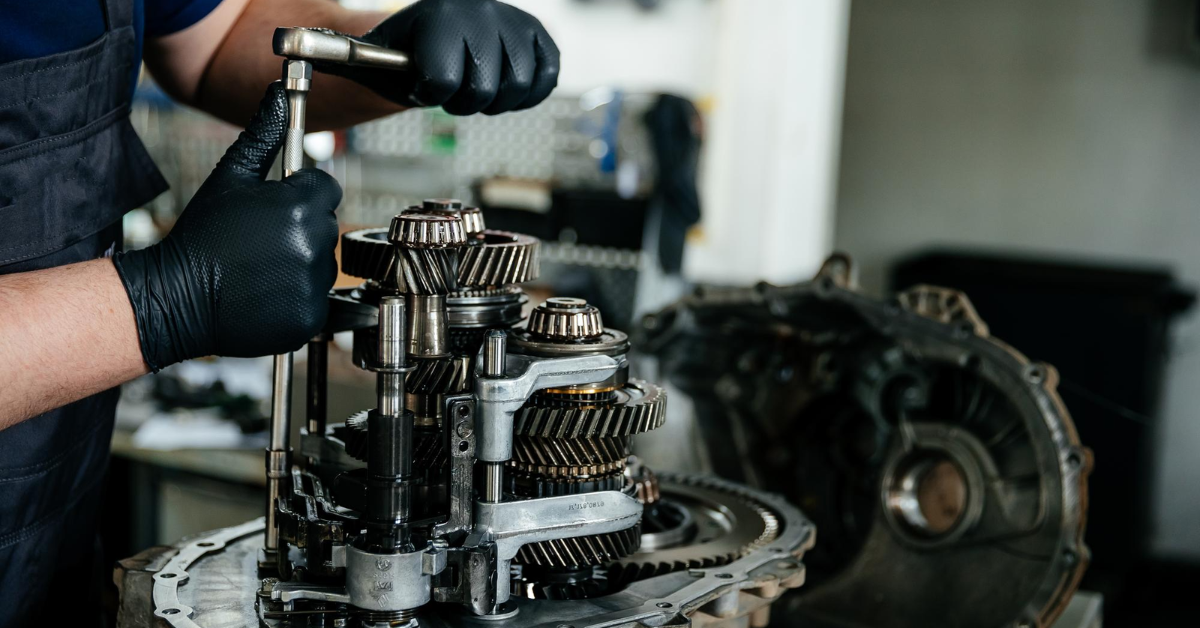
The Difference Between Regular and Emergency Transmission Service

Introduction

Your car’s transmission is like the heart of your vehicle’s movement. It keeps everything running smoothly as you shift gears. But what happens when it suddenly fails in the middle of a drive? That’s when things get tricky. Knowing the difference between regular and emergency transmission service can save you stress, money, and maybe even your car. This guide will break down what each type of service involves and how to spot the warning signs before a small problem becomes a big one.

What Is Regular Transmission Service

Regular transmission service is all about prevention. It’s the routine care your vehicle needs to keep its transmission healthy. This usually includes changing the transmission fluid, inspecting seals and gaskets, checking for leaks, and making sure the gears shift properly. Mechanics may also replace filters or flush the system to remove dirt and metal shavings.

Most experts recommend scheduling this service every 30,000 to 60,000 miles, depending on your car and driving habits. Keeping up with regular service helps you avoid sudden breakdowns and expensive repairs later on.

What Is Emergency Transmission Service

Emergency transmission service is completely different. It kicks in when something has already gone wrong. Picture this: your car won’t go into gear, strange grinding noises come from under the hood, or transmission fluid is leaking fast. These signs mean you need emergency transmission service right away.

This type of repair focuses on getting your car safe and drivable again as quickly as possible. Technicians may have to rebuild or replace the transmission, fix snapped cables, or seal major leaks on the spot. It’s fast-paced, urgent work done to prevent further damage and keep you from being stranded.

Key Differences Between Regular and Emergency Repairs

The main difference lies in timing and urgency. Regular service is planned, while emergency transmission service is unplanned. Regular maintenance keeps problems from starting. Emergency repairs handle problems after they’ve already happened.

Cost is another big difference. Regular servicing is usually cheaper because it prevents major damage. Emergency repairs often cost more because they involve serious damage and more labor. Also, regular service can be scheduled at your convenience, while emergencies often mean calling a shop after hours or searching for emergency transmission service near me in a hurry.

When to Search for Emergency Transmission Repair

Sometimes, you can’t wait. If your car won’t move, is slipping out of gear, or makes loud clunking or whining sounds, don’t risk driving it. Those are signs of major trouble.

At this point, it’s smart to look up emergency transmission repair near you or 24/7 transmission repair. Many shops offer round-the-clock help for situations like this. Getting quick service can stop further damage and keep you safe on the road.

Why Quick Action Matters in Emergencies

Waiting too long during a transmission failure can cause more parts to break. For example, driving with low or leaking fluid can burn up the transmission completely. That can turn a small repair into a full replacement. Emergency transmission service protects your car’s engine and saves you from getting stuck on the side of the road.

Fast action means less damage, lower costs, and less stress.

Key Takeaway

Regular transmission service is like going to the doctor for a checkup, while emergency transmission service is like rushing to the hospital. One prevents issues, and the other fixes major problems right away. Knowing when you need each type of service keeps your car reliable and safe.

The End Note!

At Cruz Automotive, we know how stressful a sudden transmission breakdown can be. That’s why we always remind drivers to keep up with regular transmission maintenance and act quickly when signs of trouble appear. If you ever face a sudden breakdown, finding emergency transmission service near you or 24/7 transmission repair can get you back on the road safely. Taking quick action now can save you from bigger problems later.

Wheel Alignment Issues in Holland? Here’s Why Your Car Is Pulling Left

Have you ever noticed your car drifting to the left when you’re trying to drive straight? If you’re constantly correcting your steering just to stay in your lane, it could be more than a minor inconvenience, it may be a sign of serious alignment trouble. At Cruz Automotive, we specialize in auto alignment service in Holland, and we’re here to help you understand what’s causing your car to pull left and how to fix it.

Common Signs of Wheel Misalignment

If your car starts pulling in one direction, particularly the left, it’s time to take action. Misaligned wheels not only affect your driving experience but also jeopardize your safety. Some telltale signs include:

  • Uneven or rapid tire wear
  • A crooked steering wheel when driving straight
  • Vehicle pulling to one side
  • Squealing tires
  • Difficulty steering or vibration in the steering wheel

When any of these symptoms appear, it’s wise to seek alignment service near you before the issue worsens.

What Causes a Car to Pull Left?

There are several possible reasons your vehicle might pull left during normal driving conditions. Below are the most common culprits:

1. Wheel Alignment Problems

The most frequent cause is improper wheel alignment. Even hitting a small pothole or curb can knock your wheels out of alignment. In places like Holland, MI, where seasonal changes affect road conditions, this is particularly common. If your alignment angles, camber, caster, and toe, are off, your vehicle may begin to drift or pull to one side. For professional wheel alignment in Holland MI, Cruz Automotive has the right tools and expertise to restore balance.

2. Tire Issues

Sometimes, it’s not alignment at all, it could be your tires. Uneven tire pressure, tread wear differences, or even defective tires can cause your car to veer to the left. Rotating your tires and ensuring they’re inflated properly can resolve minor steering issues, but in many cases, misalignment is the root of the problem.

3. Brake Problems

A sticking brake caliper or uneven brake pad wear can lead to a pull when braking or even during normal driving. This is especially dangerous because it compromises your ability to stop safely. Our technicians at Cruz Automotive can diagnose and repair braking issues in conjunction with alignment concerns.

4. Suspension or Steering Component Wear

Over time, components such as ball joints, tie rods, or control arms may wear out. These parts help maintain proper alignment and steering responsiveness. If any of them are loose or damaged, it could result in steering problems in Holland, including a pull to one side.

Why Alignment Matters

Ignoring alignment issues leads to more than a crooked steering wheel. Poor alignment increases tire wear, reduces fuel efficiency, and places stress on steering and suspension components. That means you’ll not only be spending more on tires and fuel but may face larger repair bills down the line.

Getting regular auto alignment service in Holland keeps your vehicle operating safely and efficiently. Whether your car is gently pulling or veering aggressively, our certified mechanics at Cruz Automotive will perform a comprehensive alignment check and adjust your wheels according to manufacturer specifications.

Don’t Let Steering Problems Disrupt Your Drive

Your safety and comfort on the road start with proper alignment. If your car is pulling left or showing other signs of misalignment, don’t wait. Trust Cruz Automotive for reliable wheel alignment in Holland MI. Visit us to schedule your appointment today and let our team put you back in control of your drive.

FAQs

Q: How often should I get a wheel alignment?

A: We recommend checking your alignment every 6,000 miles or at least once a year. If you hit a pothole or curb, it’s smart to get it checked sooner.

Q: What does a wheel alignment service include?

A: Our alignment service includes inspection of suspension components, tire condition, and precise adjustments using computerized tools.

Q: Can I drive with poor alignment?

A: Technically yes, but it’s unsafe. Misalignment affects handling and braking and leads to faster tire and component wear.

Need help now? Book your alignment check today. Your smooth ride is just an appointment away.