Schedule Your Transmission Service Today – Expert Repairs in Holland, MI

Your vehicle’s transmission is one of the most important systems in your car. It controls how your engine power gets to the wheels, and when it starts acting up, even small issues can become big problems. This guide helps you understand why timely transmission service is essential, what common issues to watch for, and how professional care can keep your car running safely. If you’ve noticed slipping gears, strange noises, or rough shifting, it’s time to pay attention.

Understanding Transmission Issues

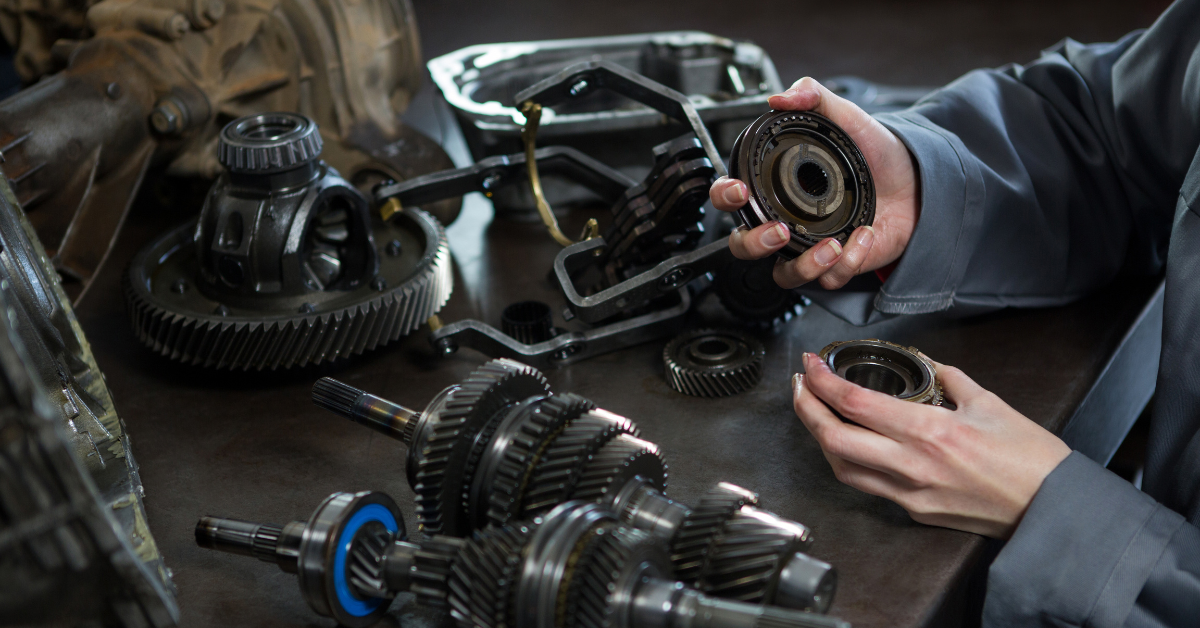
Transmissions manage your car’s gear system, whether it’s automatic, manual, or CVT. Over time, wear and tear, low fluid levels, and overheating can cause problems. Ignoring these issues often leads to more costly repairs. Regular inspections and maintenance are vital to avoid major failures. Services like an auto transmission flush Holland MI can help remove old, contaminated fluid, improving performance and prolonging transmission life. Understanding how your transmission works and recognizing early warning signs can save you time, money, and stress on the road.

Common Signs of Transmission Trouble

There are a few clear indicators that your car may need service. Drivers often notice rough or delayed gear shifts, slipping gears, strange noises, or warning lights on the dashboard. If you experience any of these, scheduling a transmission repair estimate in Holland can help determine the scope of the problem. Ignoring these signs may worsen issues, potentially damaging the entire transmission system. Early detection allows for repairs before they escalate. Professionals can also inspect related components to ensure nothing else is affected, keeping your car safe and efficient.

Transmission Maintenance Options

Proper transmission care is more than just repairing issues when they arise. Preventive maintenance, like regular fluid checks, filter replacements, and car shifting issues repair, keeps your transmission in optimal condition. An auto transmission flush Holland MI is especially effective at removing sludge and debris that can cause overheating or slipping. Scheduled maintenance prevents small problems from becoming large, expensive repairs and ensures smoother driving. Technicians use modern diagnostic tools to monitor fluid condition, detect leaks, and identify potential failures early, offering peace of mind for any driver in Holland.

Choosing the Right Transmission Shop

Not every repair shop offers specialized transmission services. Selecting trusted transmission shops in Holland ensures your vehicle receives expert care. Look for technicians trained in both automatic and manual transmissions, experienced in fluid flushes, rebuilds, and precise adjustments. A quality shop will provide a detailed transmission repair estimate in Holland, explaining necessary work, timelines, and costs. Regular service at a professional facility prevents unexpected failures, extends the life of your transmission, and keeps your car performing safely under all driving conditions.

Key Takeaway

A properly functioning transmission is critical for safe and efficient driving. Watching for warning signs, investing in preventive care like an auto transmission flush Holland MI, and addressing car shifting issues repair early can prevent costly damage. Working with certified transmission shops in Holland ensures professional diagnostics, accurate estimates, and long-lasting solutions. Scheduling service promptly keeps your vehicle reliable and your drives stress-free.

The End Note!

At Cruz Automotive, our skilled technicians provide expert transmission services for all makes and models. From comprehensive diagnostics and fluid flushes to repairs and rebuilds, we help keep your transmission in top condition. Schedule your transmission service today and drive with confidence knowing your car is in expert hands.

The Rise of Electric Vehicles What It Means for Auto Repair Shops

Electric vehicles, or EVs, are becoming more common on roads every year. You might have seen them quietly zooming past, with no engine roar, just a soft hum. Their rise is exciting for drivers, but it also has a huge impact on auto repair shops. Traditional car repairs are changing, and auto shops in Holland need to adapt to stay ahead. This guide explains what EVs mean for mechanics, how repairs differ, and why staying updated is essential for the future of auto repair.

Understanding Electric Vehicles

EVs are powered by electricity rather than gasoline. They use large batteries and electric motors instead of engines with multiple moving parts. This makes them quieter, cleaner, and simpler in some ways. But while EVs have fewer parts that wear out, other components like batteries, electric drive systems, and regenerative braking require specialized care. Auto repair shops in Holland are noticing a growing need to handle these unique systems. Knowing how an EV operates is crucial for mechanics because traditional techniques might not apply, and safety precautions around high-voltage systems are necessary.

How EVs Change Traditional Car Repairs

With EVs, common repairs like oil changes, exhaust work, or fuel system fixes are largely unnecessary. This shifts the focus to other areas. Mechanics now need skills in battery diagnostics, electric motor maintenance, and software updates. Brake systems are different because regenerative braking reduces wear on pads and rotors. Cooling systems are more advanced too, as batteries need precise temperature control. Learning how EVs change traditional car repairs allows auto repair shops in Holland to offer services that were not required before, helping them serve a new generation of vehicles efficiently.

Challenges for Auto Repair Shops in Holland

Adapting to EVs comes with challenges. Training is required for technicians to safely work with high-voltage batteries. Special tools and diagnostic software are necessary. Also, many auto repair shops in Holland face questions about insurance, warranty, and liability when working on EVs. Battery replacements can be expensive, and proper disposal is essential for safety and environmental reasons.

Despite these challenges, shops that invest in knowledge and equipment can gain an edge. EV owners will need reliable maintenance and repair services, so local shops have a chance to become trusted providers in a growing market.

Preparing for the Future of EV Auto Repair

To thrive in the age of electric vehicles, auto repair shops in Holland should embrace training and technology upgrades. Technicians can learn to work with electric drive systems, battery diagnostics, and specialized cooling components. Shop owners might invest in charging stations or software updates for customer EVs.

Communication with customers about maintenance schedules, potential battery issues, and safety tips becomes even more important. Shops that evolve now will be ready for the future of EV auto repair, offering safe, professional, and up-to-date service for electric vehicle owners in the area.

Key Takeaway

The rise of EVs is transforming the auto repair industry. Fewer engine-related repairs mean mechanics must adapt to focus on electric systems, batteries, and new diagnostics. Auto repair shops in Holland that embrace this shift can serve their communities effectively and safely. Staying informed about how EVs change traditional car repairs is key for long-term success.

The End Note!

Cruz Automotive is committed to evolving with the automotive world. By training technicians on electric vehicle systems and investing in advanced tools, Cruz Automotive ensures that both traditional and electric vehicle owners receive professional, reliable, and expert service. The future of EV auto repair is here, and Cruz Automotive is ready to lead the way.

How to Prepare Your Car for Winter Driving Conditions

Winter driving can be unpredictable and dangerous if your car isn’t ready. Slippery roads, freezing temperatures, and snowstorms all make it harder to get from point A to point B safely. Preparing your car for winter isn’t just about convenience, it’s about protecting yourself, your passengers, and your vehicle. This guide covers essential steps for winter car maintenance, snow driving safety tips, and how Car service Holland MI providers can help you stay road-ready.

Check Your Tires and Brakes

One of the most important steps in preparing for winter is checking your tires and brakes. Tires with proper tread and correct pressure provide better traction on icy or snowy roads. Consider winter tires if you face heavy snow regularly. Brakes also need attention, worn pads or damaged rotors can make stopping on slick surfaces risky. Scheduling a visit to auto repair shops in Holland ensures your tires and brakes are inspected and maintained professionally. Proper care in this area reduces accidents and keeps your car performing safely under winter conditions.

Inspect Fluids and Battery

Fluids play a major role in winter driving safety. Engine oil, coolant, windshield washer fluid, and transmission fluid should all be checked and replaced if necessary. Using winter-grade fluids can prevent freezing and improve performance. Your battery also deserves a checkup. Cold weather reduces battery efficiency, so having a fully charged, healthy battery is crucial. Car service Holland MI providers can test your battery and replace it if needed, ensuring your car starts reliably even on the coldest mornings. Keeping fluids topped off and the battery in good condition helps avoid breakdowns in extreme weather.

Winter Car Maintenance Holland MI Tips

Winter car maintenance Holland MI is more than just tires and fluids. Wiper blades should be strong and streak-free for clear visibility. Inspect your lights, headlights, brake lights, and turn signals must all work properly for safe winter driving. Check the heating system to keep the cabin warm and prevent windows from fogging. Don’t forget the emergency kit: include blankets, a flashlight, extra clothing, a small shovel, and traction aids like sand or kitty litter. Auto repair shops in Holland can provide a thorough winter inspection, giving you peace of mind and saving you from potential winter mishaps.

Snow Driving Safety Tips

Even a well-maintained car can be challenging to drive on snowy or icy roads. Snow driving safety tips include reducing speed, keeping a safe distance from other vehicles, and braking gently to avoid skidding. Avoid sudden movements with the steering wheel and use low gears on steep inclines to maintain control. Make sure your windshield is always clear, and consider keeping a phone charger and emergency contact numbers handy. Staying informed about weather conditions and planning trips carefully also improves safety. Following these tips, along with proper vehicle maintenance, makes winter driving less stressful and far safer.

Key Takeaway

Preparing your car for winter isn’t optional, it’s essential for safety, performance, and peace of mind. From checking tires and brakes to inspecting fluids, battery, and lights, every step contributes to safer winter driving. Snow driving safety tips like slowing down, keeping distance, and planning routes complement proper maintenance to prevent accidents. Car service Holland MI providers and auto repair shops in Holland play a crucial role in readying vehicles for winter. Winter car maintenance Holland MI ensures your car stays reliable through freezing temperatures and snowy conditions. Taking these precautions now saves you time, money, and stress later.

The End Note!

Cruz Automotive encourages drivers in Holland to schedule comprehensive winter inspections. Our team of certified technicians checks brakes, tires, fluids, batteries, lights, and heating systems, providing professional guidance and maintenance. By combining expert service with practical snow driving safety tips, Cruz Automotive ensures your car is prepared for whatever winter brings. Keeping your vehicle in top shape not only enhances safety but also ensures reliable performance throughout the season.

How to Maintain Your Vehicle’s Suspension System for Optimal Performance

Your car’s suspension system might not get much attention until something goes wrong. Yet, it’s one of the most important parts of your vehicle, affecting ride comfort, handling, and safety. If your car bounces too much, sways on turns, or feels rough over bumps, your suspension could be the culprit. This guide explains how to keep your suspension system in top shape, including simple maintenance tips and signs that you need professional help. By following these steps, you can improve performance, safety, and extend the lifespan of your suspension.

Understanding Your Car’s Suspension System

Your car’s suspension system includes shocks, struts, springs, and various linkages that connect the vehicle to its wheels. Its job is to absorb bumps, maintain tire contact with the road, and provide a smooth ride. Without proper suspension, driving becomes uncomfortable and dangerous. Understanding how it works can help you recognize problems early. Regular maintenance and checks are essential to ensure everything functions as it should. Small issues, like worn bushings or leaking shocks, can escalate quickly if ignored, leading to more extensive car suspension repairs in Holland.

Common Suspension Problems

Several common problems can affect your vehicle’s suspension. Worn shocks or struts can make the car bounce excessively after hitting a bump. Sagging springs may cause uneven ride height or poor handling. Damaged control arms, bushings, or ball joints can create clunking noises and reduce steering precision. Other issues like alignment problems can wear out tires faster and compromise safety. By knowing what to look for, you can identify issues early and reduce the risk of costly repairs. If you notice any unusual vibrations, noises, or handling changes, it may be time to schedule a suspension repair near you.

How to Perform Regular Car Suspension Maintenance

Routine maintenance is key to keeping your suspension system in peak condition. First, check your tires regularly and maintain proper air pressure. Uneven tire wear can indicate suspension problems. Next, inspect shocks and struts for leaks, dents, or damage. Listen for unusual noises when driving over bumps. Tighten loose bolts on suspension components if necessary. Rotating tires and checking wheel alignment are also essential steps. Performing these tasks consistently not only improves ride comfort but also prevents minor issues from turning into expensive car suspension repairs in Holland.

Tips to Extend Suspension Lifespan

Extending the life of your suspension system is easier than you might think. Avoid aggressive driving over potholes or speed bumps, as this causes unnecessary wear on shocks, struts, and springs. Carrying excessive weight can also strain suspension components. Using quality replacement parts for repairs and maintenance is crucial. Additionally, regular inspections and timely fixes help prevent small problems from becoming major issues. By practicing these habits, you can learn how to extend suspension lifespan effectively, reduce repair costs, and keep your vehicle safe and comfortable on the road.

Knowing When to Seek Professional Help

While basic maintenance can go a long way, some issues require professional attention. If you notice excessive bouncing, steering pull, clunking noises, or uneven tire wear, it’s time to consult a professional. Certified technicians can perform detailed inspections, diagnostics, and repairs, ensuring your suspension system functions correctly. For residents in Holland, finding reliable car suspension maintenance experts is crucial to prevent long-term damage and ensure safety. Don’t wait until a small problem becomes a costly repair, early intervention makes a significant difference.

Key Takeaway

Your vehicle’s suspension system plays a vital role in comfort, handling, and safety. Regular inspections, maintenance, and careful driving habits can prevent major issues and extend the lifespan of your suspension. Watching for signs like unusual noises, uneven tire wear, or poor handling can help you address problems before they escalate.

For drivers in Holland who want professional care, Cruz Automotive offers expert advice, inspections, and car suspension repairs in Holland. By staying proactive, you can enjoy smoother rides, better control, and a suspension system that lasts longer, keeping every drive safe and comfortable.

All-Season vs. Performance Tires: Which Replacement Option Is Best for You?

When your tires start wearing thin, the choice of replacements can feel like a major crossroads. Should you stick with all-season tires that promise year-round dependability, or upgrade to performance tires for a boost in handling and speed? Choosing wisely matters because your tires directly affect how your car grips the road, handles sharp turns, and stops in emergencies. If you are planning a tire change while also looking for reliable car repair Holland services, understanding the difference between these tire types is the first step to safer driving.

What Are All-Season Tires?

All-season tires are built to handle a mix of weather conditions. They combine the traits of summer and winter tires, providing reliable traction on dry, wet, and light snowy roads. They are made from a medium rubber compound that stays flexible in mild cold yet firm in warm weather. Their tread patterns are designed to channel water away and reduce the risk of hydroplaning.

These tires are ideal for drivers who commute daily, rarely push their vehicles to high speeds, and live in areas with mild winters. If your driving involves steady city or highway travel, all-season tires can give you long-lasting comfort without breaking the bank.

What Are Performance Tires?

Performance tires are built with one goal in mind: enhancing your vehicle’s handling, braking, and cornering. They use softer rubber compounds for maximum grip, especially on dry roads, and they often feature wider tread patterns to maintain better contact with the road.

While they shine in warm weather and on dry pavement, they tend to wear out faster than all-season tires. They also may not perform as well in cold or snowy conditions. Still, if you crave a sporty feel and quick response, performance tire replacement can give your car that extra edge during spirited driving or highway cruising.

Key Differences: All-Season vs. Performance Tires

When comparing all-season tires vs performance tires, the main contrasts come down to grip, tread life, and weather handling:

  • Traction and Handling: Performance tires offer sharper cornering and better braking on dry roads, while all-season tires provide balanced traction across different conditions.
  • Longevity: All-season tires usually last longer due to their harder rubber compounds, while performance tires wear faster because of their softer design.
  • Weather Suitability: All-season tires handle light snow and wet roads better. Performance tires struggle in snow or near-freezing temperatures.
  • Fuel Efficiency: Performance tires often create more rolling resistance, which can lower gas mileage slightly compared to all-season tires.

Which Tire Is Right for Your Driving Style?

Your choice depends on how and where you drive. If you mostly use your car for everyday commuting, especially in changing Midwest weather, all-season tires are the safer and more cost-effective option. They offer dependable traction through seasonal shifts.

On the other hand, if you love the feel of quick acceleration and precise cornering, performance tires might suit you better. Just be prepared to replace them more often and store them during cold months. You can always ask car repair shops in Holland MI to inspect your driving patterns and help you decide which type fits your lifestyle best.

FAQs

Q: Can I use performance tires year-round?

A: Not recommended if you live in areas with freezing temperatures or snow. Their grip drops in cold weather.

Q: How often should I replace all-season tires?

A: Most last around 50,000 to 70,000 miles, depending on driving habits and road conditions.

Q: Are performance tires worth it for city driving?

A: They can be, if you value fast response and sporty handling. However, they wear out faster and cost more.

The End Note!

At Cruz Automotive, we understand that tire choice plays a huge role in your vehicle’s safety and performance. Whether you go with dependable all-season tires or opt for the thrill of performance tire replacement, matching your tires to your driving habits is key. If you need guidance or tire installation while scheduling other car repair Holland services, our team is ready to help you choose the best fit for your vehicle. Your safety and driving comfort are always our top priority.


Transmission Leak Repair – Why You Shouldn’t Ignore Fluid Spots Under Your Car

Introduction

Ever walked out to your car and noticed strange red or brown puddles on the driveway? That might not be harmless water. It could be transmission fluid, and ignoring it is like ignoring your car crying out for help. Transmission leaks might seem small, but they can lead to major and expensive problems if left unchecked. This blog will guide you through why spotting leaks early matters, what signs to look for, and why professional transmission leak repair in Zeeland can save your car from serious damage.

What Causes Transmission Leaks

Transmission leaks usually start small but can grow quickly. The main culprits are worn-out seals and gaskets, cracked transmission pans, or loose bolts. Road debris can also damage the pan, allowing fluid to escape. Overheating is another big reason, as heat breaks down seals faster. Even age plays a role because older parts simply wear out over time. Regular checkups help spot these problems early before they turn into a complete breakdown.

Signs Your Car Is Leaking Transmission Fluid

Spotting a car leaking transmission fluid isn’t hard once you know the signs. The most obvious is red or brown fluid pooling under your car. You might also smell something sweet or burnt while driving. Shifting gears may feel rough or delayed, and your car could even jerk suddenly while driving. Strange grinding noises are another red flag. If your transmission starts slipping between gears, that’s a serious sign that fluid levels are dangerously low.

Why Ignoring Leaks Can Be Dangerous

A leak might not look like a big deal, but it can quietly destroy your transmission. Low fluid means poor lubrication and overheating. This can burn out the transmission’s internal parts. Repairs for a failed transmission can cost thousands, while fixing a small leak is usually far cheaper. Plus, leaking fluid can drip onto hot parts of your car, creating a fire risk. Catching leaks early keeps your car safe and saves you money in the long run.

Getting Professional Transmission Leak Repair in Zeeland

If you notice leaks or transmission leak symptoms, getting fast and proper transmission leak repair in Zeeland is crucial. Professionals use special tools to find exactly where the leak is coming from. They replace worn seals, tighten parts, and refill the transmission with clean fluid. A full inspection also ensures there aren’t other hidden problems waiting to happen. Trying to patch it up at home without the right skills can make the problem worse, so it’s better to trust trained experts.

Auto Oil Leak Repair in Holland: When It’s Not the Transmission

Sometimes what looks like a transmission leak is actually an engine oil leak. Engine oil is usually dark brown or black, while transmission fluid is red or pink. Confusing the two can lead to fixing the wrong problem. Getting an auto oil leak repair in Holland can rule out engine issues and make sure your car gets the right repair. Professionals can tell which system is leaking and fix it quickly so your car stays healthy.

FAQs

Q1: Can I drive with a small transmission leak?

A: It’s risky. Even a small leak can lower fluid levels fast and cause damage. It’s safer to get it checked right away.

Q2: How often should I check transmission fluid levels?

A: At least once a month. It helps you catch leaks before they cause big issues.

Q3: What’s the cost of repairing a transmission leak?

A: It depends on the damage, but it’s usually far less than replacing the entire transmission.

Key Takeaway

Ignoring puddles under your car can cost you more than you expect. Leaks hurt your car’s performance and can lead to total transmission failure. Spotting the signs early and getting professional help can keep your car safe and your wallet intact.

The End Note!

At Cruz Automotive, we know how critical it is to fix leaks before they snowball into bigger problems. If you see fluid under your car or notice shifting issues, get it checked as soon as possible. Our team can handle transmission and oil leak repairs with care and precision to keep your car running smoothly. Don’t wait until it’s too late, catch those leaks early and keep your vehicle on the road.

5 Signs You’re Overdue for a Transmission Fluid Change

Introduction

Your car’s transmission is like the heartbeat of your vehicle. It keeps the power flowing smoothly from the engine to the wheels. But without proper care, it can easily wear out. One crucial part of that care is timely fluid changes. Skipping this service might not cause problems overnight, but the damage adds up over time. If you’re unsure when you last had a transmission fluid change in Holland MI, it might be time to pay closer attention to how your car is behaving. This guide will help you spot the red flags before things get worse.

Sign 1: Delayed or Slipping Gear Shifts

One of the clearest signs you need transmission fluid is when your car hesitates or slips while changing gears. If you press the gas and the engine revs but the car barely moves, that’s a big warning sign. Fresh transmission fluid allows smooth gear engagement. Old or low fluid can’t keep up with the demands of shifting. This often feels like your car is “thinking” too long before it finally goes into the next gear. Ignoring this can wear down the transmission parts quickly and lead to expensive repairs.

Sign 2: Unusual Grinding or Clunking Sounds

Healthy transmissions run quietly. If you start hearing grinding, buzzing, or clunking noises when your car shifts, something is off. Often, these sounds mean your transmission is struggling to stay lubricated. Old or contaminated fluid loses its ability to coat parts properly, which increases friction. That extra friction can make metal parts scrape together, causing strange sounds. Getting a transmission fluid replacement in Zeeland MI as soon as you notice these noises could save your transmission from further damage.

Sign 3: Dark or Burnt-Smelling Fluid

Transmission fluid should be bright red and slightly sweet-smelling. If it looks dark, cloudy, or smells burnt, that’s a major red flag. Burnt fluid can’t cool or protect the transmission anymore. You can check this yourself by pulling out the transmission dipstick (while the car is running and warm). If the fluid doesn’t look clean and red, it’s time for a change. Neglecting this sign can shorten the lifespan of your transmission and lead to overheating issues.

Sign 4: Transmission Overheating

When transmission fluid is old or low, it can’t keep the system cool. Heat builds up quickly, and you might notice a warning light or smell something hot under the hood. Overheating is dangerous for transmissions because it breaks down internal seals and clutches. This can cause permanent damage if not fixed right away. One of the best transmission maintenance tips is to check fluid levels regularly and change it on schedule to prevent overheating from happening in the first place.

Sign 5: Fluid Leaks Under Your Vehicle

Finding red or brown puddles under your car is never a good sign. Transmission leaks mean fluid is escaping through damaged seals, worn gaskets, or loose bolts. Even small leaks can quickly lower fluid levels and cause serious transmission problems. If you spot any leaks, get your system inspected. Sometimes fixing a small leak and replacing lost fluid is all it takes to prevent major transmission failure.

Key Takeaway

Transmission fluid is your car’s unsung hero. It keeps your transmission cool, clean, and smooth. Ignoring the signs you need transmission fluid can snowball into bigger issues like overheating, slipping gears, or complete transmission failure. Watching for early symptoms and getting regular transmission fluid change in Holland MI or transmission fluid replacement in Zeeland MI can save you a lot of money and stress down the road.

The End Note!

At Cruz Automotive, we believe taking small steps in car care prevents big breakdowns. If you notice any of these warning signs, don’t wait. Schedule your service and give your vehicle the attention it deserves. A simple fluid change could keep your transmission running strong for years to come.


The Difference Between Regular and Emergency Transmission Service

Introduction

Your car’s transmission is like the heart of your vehicle’s movement. It keeps everything running smoothly as you shift gears. But what happens when it suddenly fails in the middle of a drive? That’s when things get tricky. Knowing the difference between regular and emergency transmission service can save you stress, money, and maybe even your car. This guide will break down what each type of service involves and how to spot the warning signs before a small problem becomes a big one.

What Is Regular Transmission Service

Regular transmission service is all about prevention. It’s the routine care your vehicle needs to keep its transmission healthy. This usually includes changing the transmission fluid, inspecting seals and gaskets, checking for leaks, and making sure the gears shift properly. Mechanics may also replace filters or flush the system to remove dirt and metal shavings.

Most experts recommend scheduling this service every 30,000 to 60,000 miles, depending on your car and driving habits. Keeping up with regular service helps you avoid sudden breakdowns and expensive repairs later on.

What Is Emergency Transmission Service

Emergency transmission service is completely different. It kicks in when something has already gone wrong. Picture this: your car won’t go into gear, strange grinding noises come from under the hood, or transmission fluid is leaking fast. These signs mean you need emergency transmission service right away.

This type of repair focuses on getting your car safe and drivable again as quickly as possible. Technicians may have to rebuild or replace the transmission, fix snapped cables, or seal major leaks on the spot. It’s fast-paced, urgent work done to prevent further damage and keep you from being stranded.

Key Differences Between Regular and Emergency Repairs

The main difference lies in timing and urgency. Regular service is planned, while emergency transmission service is unplanned. Regular maintenance keeps problems from starting. Emergency repairs handle problems after they’ve already happened.

Cost is another big difference. Regular servicing is usually cheaper because it prevents major damage. Emergency repairs often cost more because they involve serious damage and more labor. Also, regular service can be scheduled at your convenience, while emergencies often mean calling a shop after hours or searching for emergency transmission service near me in a hurry.

When to Search for Emergency Transmission Repair

Sometimes, you can’t wait. If your car won’t move, is slipping out of gear, or makes loud clunking or whining sounds, don’t risk driving it. Those are signs of major trouble.

At this point, it’s smart to look up emergency transmission repair near you or 24/7 transmission repair. Many shops offer round-the-clock help for situations like this. Getting quick service can stop further damage and keep you safe on the road.

Why Quick Action Matters in Emergencies

Waiting too long during a transmission failure can cause more parts to break. For example, driving with low or leaking fluid can burn up the transmission completely. That can turn a small repair into a full replacement. Emergency transmission service protects your car’s engine and saves you from getting stuck on the side of the road.

Fast action means less damage, lower costs, and less stress.

Key Takeaway

Regular transmission service is like going to the doctor for a checkup, while emergency transmission service is like rushing to the hospital. One prevents issues, and the other fixes major problems right away. Knowing when you need each type of service keeps your car reliable and safe.

The End Note!

At Cruz Automotive, we know how stressful a sudden transmission breakdown can be. That’s why we always remind drivers to keep up with regular transmission maintenance and act quickly when signs of trouble appear. If you ever face a sudden breakdown, finding emergency transmission service near you or 24/7 transmission repair can get you back on the road safely. Taking quick action now can save you from bigger problems later.

Is Your Car Slipping Gears? When to Seek Professional Transmission Repair

Introduction

Imagine driving down the road, and suddenly your car jerks or struggles to shift gears smoothly. It’s unsettling, right? Gear slipping can feel like your vehicle is hesitating or losing power for no reason. This issue is often linked to transmission problems, which are crucial to how your car moves. Understanding the warning signs early can help you avoid expensive repairs and unexpected breakdowns. This guide will walk you through what gear slipping means, the signs of transmission failure, and when to get professional help.

What Does It Mean When Your Car Is Slipping Gears

When your car is slipping gears, it means the transmission is not staying in the gear you selected. Instead, it unexpectedly shifts up or down. This can cause a loss of acceleration or sudden jolts. It may feel like your engine is revving high without speeding up much. Gear slipping usually points to worn-out transmission parts, low transmission fluid, or damaged clutch components. Ignoring it can cause further damage to your vehicle’s transmission system.

Common Signs of Transmission Failure

Catching transmission issues early can save you a lot of trouble. Here are some common signs of transmission failure you should look for:

  • Delayed or rough shifting: Your car hesitates before changing gears or shifts with a hard jerk.
  • Unusual noises: Whining, grinding, or humming sounds coming from the transmission area.
  • Fluid leaks: Red or brown fluid under your car could be transmission fluid.
  • Warning lights: The check engine or transmission warning light turns on.
  • Burning smell: Overheated transmission fluid can smell like something is burning.

If you notice these warning signs, it’s smart to get your transmission checked right away.

Why Automatic Transmission Slipping Needs Fast Attention

Automatic transmissions are designed to shift gears smoothly without you noticing. So if you feel slipping or jerking, it’s a clear sign something is off. Automatic transmission slipping can make your car unsafe to drive. It might struggle to accelerate or even roll backward when parked on an incline. Driving while your transmission is slipping can cause severe internal damage, which is costly to repair. Getting professional help quickly can prevent further issues and keep your car safe on the road.

When to Seek Transmission Slipping Repair Holland

If you live in or around Holland and experience gear slipping, don’t wait it out. Transmission problems rarely fix themselves. Once slipping begins, it usually gets worse with time. Seek transmission slipping repair Holland as soon as you notice early symptoms. Professionals can inspect your system, check fluid levels, and diagnose mechanical faults before they cause major breakdowns. Acting fast protects your car and saves money on long-term repairs.

The Importance of Timely Transmission Repair Service Holland

Timely repairs keep your transmission running smoothly and extend its life. Getting transmission repair service Holland from skilled technicians ensures they spot hidden problems before they escalate. Ignoring gear slipping can lead to complete transmission failure, which often means replacing the whole unit. That can be extremely expensive. Taking action early not only avoids big bills but also gives you peace of mind knowing your car is safe to drive.

Key Takeaway

Gear slipping is a warning sign you should never ignore. If your vehicle hesitates, jerks, or struggles to change gears, it could be the start of transmission failure. Addressing these issues early prevents serious damage and keeps your car reliable on the road.

The End Note!

At Cruz Automotive, we know how stressful it can be when your car starts slipping gears. That’s why we encourage drivers to watch for the early signs of transmission failure and get help fast. Whether it’s automatic transmission slipping or fluid leaks, professional inspection and repair can prevent bigger problems later. Your safety and your car’s performance depend on timely care, so don’t wait if you suspect transmission trouble.

Tie Rods Pumps and Leaks A Guide to Common Steering Repairs

When it comes to safe driving, the steering system is one of the most vital parts of your vehicle. Whether you are turning into your driveway or making a quick lane change on the highway, the steering components must respond precisely. If any part of the system begins to fail, drivers may experience stiffness, strange noises, or even difficulty controlling their vehicle. At Cruz Automotive, we provide expert steering repairs in Holland designed to keep your car reliable and safe.

Why Steering Repairs Matter

The steering system is a network of pumps, tie rods, hoses, and gears that work together to keep your wheels turning smoothly. Unlike other vehicle components that can be delayed for service, steering issues should be addressed immediately. Ignoring warning signs may not only damage other parts but also create serious safety risks on the road. Choosing professional car service in Holland MI ensures every component is inspected and repaired with care.

Tie Rod Concerns and Repairs

Tie rods connect your steering rack to the wheel and are responsible for keeping your tires aligned. Over time, they can wear out due to daily use, potholes, or lack of lubrication. When tie rods fail, you may notice uneven tire wear, steering wheel vibration, or your vehicle pulling to one side. These are classic symptoms that require attention. Replacing or adjusting tie rods is one of the common steering repairs we perform, and doing so helps extend tire life while restoring accurate control.

Steering Pump Repair

Another critical component is the power steering pump. This pump circulates hydraulic fluid that allows you to turn the steering wheel with minimal effort. If the pump begins to leak, wear out, or fail, you may experience whining noises, heavy steering, or low fluid levels. Delaying steering pump repair can quickly lead to total steering failure and costly damage. At Cruz Automotive, we carefully diagnose pump issues, check for leaks, and replace worn pumps with high-quality parts to ensure your steering remains responsive.

Identifying Leaks in the Steering System

Fluid leaks are a major red flag in any steering system. Low hydraulic fluid not only makes steering difficult but can also cause overheating and pump damage. Leaks can come from hoses, seals, or the pump itself. Drivers may notice puddles under the car or fluid levels dropping faster than usual. Our technicians specialize in finding the source of leaks quickly and repairing them before they compromise the entire steering system. By addressing leaks promptly, you protect both your safety and your wallet.

Preventive Care and Regular Inspections

While steering repairs often come up when problems appear, regular inspections help prevent sudden failures. During routine car service in Holland MI, our team checks steering fluid levels, examines hoses for cracks, and inspects tie rods for wear. Catching early signs of trouble reduces the risk of expensive repairs and keeps your vehicle performing smoothly.

Why Choose Cruz Automotive

At Cruz Automotive, we take pride in offering professional, transparent, and dependable steering system services. From common steering repairs like tie rod replacements to specialized steering pump repair, we ensure that your vehicle is handled with precision. Our certified team understands the unique driving conditions in Holland and provides solutions tailored to your vehicle’s needs.

The End Note!

Your steering system should always feel reliable and responsive. If you notice noises, stiffness, fluid leaks, or uneven tire wear, these are signals that your vehicle requires attention. Trust Cruz Automotive for steering repairs in Holland that restore your confidence on the road. To schedule your appointment or learn more about our full range of auto services, visit Cruz Automotive.