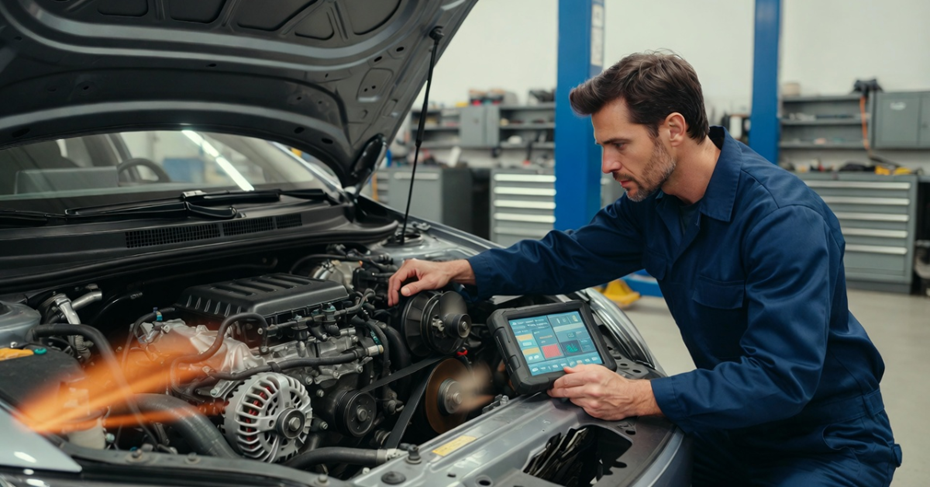
Engine Knocking vs. Engine Ticking: What’s the Difference and When Should You Worry?

Every car makes noise. But some sounds make our stomach drop a little. If your engine has started making a strange tap, click, or thud, you are probably wondering what it means. Engine noise can point to something small, or it can point to something serious. In this guide, we break down engine knocking and engine ticking, what causes each one, and when it’s time to get your car checked out.

We have worked with plenty of drivers who heard a weird sound and hoped it would just go away. Sometimes it does. Often, it does not. Knowing the difference between these two noises can save you a lot of stress, and a lot of money too.

What Is Engine Ticking?

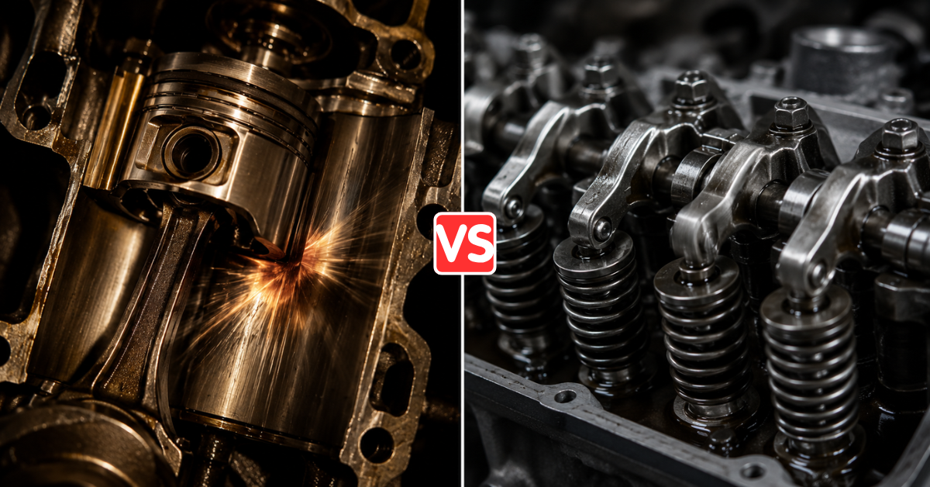
Engine ticking is a light, fast tapping sound. It usually comes from the top of the engine, near the valve cover. Think of it like a tiny hammer tapping quickly and evenly. This sound often comes from the valvetrain. That’s the group of parts that open and close your engine’s valves at just the right moment. When oil pressure drops or a part wears down, these pieces can knock against each other slightly. That small gap creates the tick.

A ticking noise is usually loudest when the engine is cold. It often fades once the car warms up and oil starts flowing better. This pattern is a helpful clue when trying to figure out what you are dealing with.

What Is Engine Knocking?

Engine knocking sounds completely different. It’s a deeper, heavier bang or thud. Many drivers describe it as marbles rattling around inside a metal can. This sound usually comes from lower in the engine. It often points to a problem with the connecting rods, the parts that link the pistons to the crankshaft. When there’s too much space between these parts and the crankshaft, they slam into each other with every rotation. That’s your engine knocking sound.

Unlike a tick, knocking tends to get louder as you accelerate or drive uphill. It does not usually fade once the engine warms up. This is one of the clearest signs that something serious is going on.

Engine Knocking vs. Engine Ticking: Key Differences

Comparing these two noises side by side makes the difference much easier to spot. Here’s a simple breakdown of engine knocking vs engine ticking.

Feature Engine Ticking Engine Knocking
Sound Light, fast tapping Deep, heavy banging
Location Top of engine (valve area) Lower engine (near crankshaft)
When it’s loudest Cold start, idle Under load or acceleration
Changes with warm-up Often fades as engine warms Stays the same or worsens
Urgency Worth checking soon Needs attention right away
Common cause Low oil, worn valvetrain part Worn rod bearings

This table gives a quick snapshot. But real cars do not always follow the script exactly, so it always helps to have a professional take a listen.

What Causes Engine Ticking?

A few common issues lead to that light tapping sound. Here are the usual suspects:

  • Low oil level or old, dirty oil
  • Worn or failing lifters in the valvetrain
  • A bent pushrod or rocker arm
  • Air bubbles mixed into the oil
  • A small exhaust leak near the manifold

Most of these causes start mild. But if ignored for too long, a simple tick can wear down other parts nearby. That turns a cheap fix into a bigger repair job.

What Causes Engine Knocking?

Knocking almost always points to wear inside the bottom end of the engine. Common causes include:

  • Worn connecting rod bearings
  • Long periods of low oil pressure
  • Sudden oil starvation, even for a short time
  • High mileage without regular oil changes
  • Using the wrong grade or quality of oil

Once bearings wear down enough to knock, the clearance keeps growing. This means the noise usually gets worse, not better, over time.

When Should You Worry?

Here’s the simple truth: both noises deserve attention, but knocking is the bigger red flag.

A mild tick is a warning sign, not a full emergency. It’s worth booking a check soon, especially if it doesn’t fade after the engine warms up. Knocking, though, means real engine damage may already be underway. Driving on a knocking engine for too long can lead to a hole in the engine block or complete engine failure.

If you notice any of these signs along with the noise, treat it as urgent:

  • The check engine light turns on
  • You notice a drop in power
  • The oil pressure warning light comes on
  • You see metal flecks in the oil
  • The noise gets louder no matter what you do

What To Do If You Hear a Strange Engine Noise?

Here’s a simple step-by-step approach we recommend to any driver:

  1. Note when the noise happens. Is it worse cold or warm? At idle or while driving?
  2. Check your oil level and condition. Low or dirty oil is often the easiest fix.
  3. Avoid hard acceleration until the car is checked.
  4. Get the engine inspected as soon as possible, especially for a deep knocking sound.
  5. Ask for a full diagnostic, not just a quick listen. A trained ear paired with proper tools gives the most accurate answer.

Catching the issue early almost always costs less than waiting.

FAQs

Can I still drive my car if it’s making a ticking noise?

A mild tick is usually safe for short trips, but it’s smart to get it checked soon. Waiting too long can turn a small issue into a bigger repair.

Is engine knocking always serious?

Yes, in most cases. Knocking usually means worn bearings or metal-to-metal contact inside the engine, which can quickly lead to major damage.

Why does my engine tick only when it’s cold?

Cold oil takes longer to reach the valvetrain. Once oil pressure builds up, many minor ticks fade or disappear completely.

Can low oil cause engine knocking?

Yes. Running an engine low on oil, even briefly, can wear down bearings fast and lead to a knocking sound over time.

How much does it cost to fix engine knocking?

Costs vary widely depending on the cause. Some repairs need bearing replacement, while severe cases may require a full engine rebuild.

Ready to Get That Noise Checked Out?

Strange engine sounds are never fun to hear, and they’re even worse to ignore. Whether it’s a light tick or a heavy knock, catching the problem early puts you back in control. We always tell drivers the same thing: trust your ears, and don’t wait for a small noise to become a big bill.

If your engine is making a sound that doesn’t feel right, our team at Cruz Automotive is happy to take a listen and give you honest answers. We believe every driver deserves a clear explanation, not just a repair quote. Reach out, and let’s figure out what your engine is trying to tell you.
Can You Drive With a Check Engine Light On? What Holland Drivers Should Know

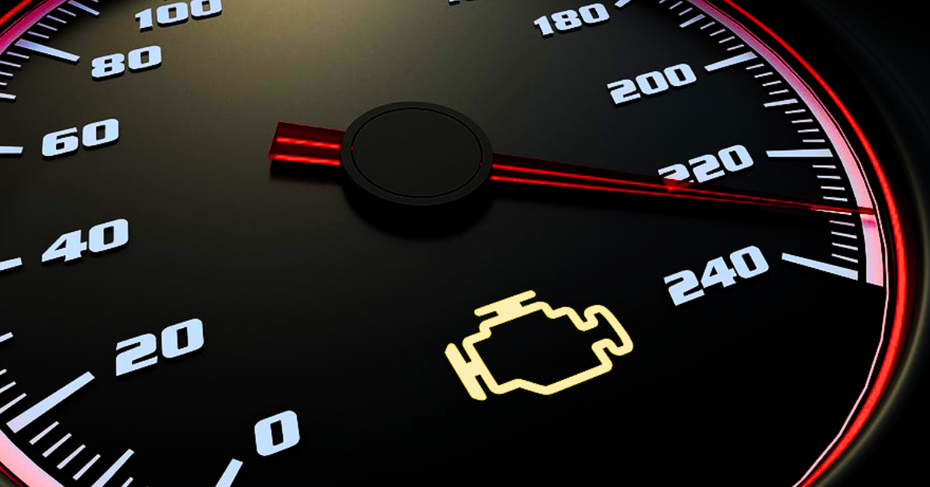
Your check engine light is your car’s way of waving a flag and saying something needs a closer look. Sometimes it’s nothing serious, like a gas cap that didn’t click shut all the way. Other times it’s the first sign of something bigger brewing under the hood. Either way, it’s not a light thing to shrug off, since waiting too long can turn a cheap fix into a repair bill that really stings.

So, can you keep driving when that light pops on? Sometimes yes, but it depends on whether the light is steady or flashing. That one detail changes everything. Let’s walk through what the light actually means, when it’s fine to keep driving, and when you should pull over instead.

What Does the Check Engine Light Mean?

How does the Engine Monitoring System work?

Modern vehicles run on an OBD-II system, a network of sensors that keeps tabs on your engine, fuel mix, and emissions. When something falls outside the normal range, the system logs a diagnostic trouble code (DTC) and lights up your dash. Think of it like a smoke detector. It doesn’t always mean fire, but it’s telling you to check things out.

Common Reasons a Check Engine Light Comes On

A loose or damaged gas cap is one of the most common culprits, and it’s an easy fix. A failing oxygen sensor can also flip the light on, along with worn-out spark plugs or ignition coils that aren’t firing right. Sometimes it’s a mass airflow sensor acting up, a problem brewing in the catalytic converter, or an EVAP system leak affecting how your car handles fuel vapor. The light alone doesn’t tell you much, so you’ll need to know which of these is actually going on.

Can You Continue Driving With a Check Engine Light On?

You can usually drive short distances with a solid check engine light if your car otherwise feels normal. A flashing check engine light is a different story. It often means there’s an active engine misfire happening right now, and pushing through it can lead to expensive engine or catalytic converter damage.

Solid Check Engine Light vs. Flashing Check Engine Light

A solid check engine light is usually the less urgent of the two. It typically points to a non-emergency fault, and your car will probably still drive the way it normally does. That said, don’t just forget about it. Go ahead and get a diagnostic check scheduled soon, even if it’s not a same-day emergency, and keep an eye on your fuel economy in the meantime since a solid light can quietly drag it down.

A flashing check engine light is your car telling you something is wrong right now, usually an active misfire. The longer you keep driving on it, the more pressure you’re putting on your catalytic converter, which isn’t cheap to replace, and performance can drop off pretty suddenly too. If that light starts flashing, pull over as soon as you can do it safely and get the vehicle looked at before going any further.

Warning Signs That Mean You Should Stop Driving Immediately

  • A flashing check engine light
  • Engine shaking or rough idling
  • Noticeable loss of power
  • Engine overheating
  • Smoke coming from the exhaust
  • A strong fuel smell
  • Odd knocking or grinding noises
If your light is flashing and your car feels off, pull over safely as soon as you can and call for professional diagnostics. Driving any further could turn a repair into a replacement.

What Happens If You Ignore a Check Engine Light?

Putting off a checkup rarely saves money in the long run. Here’s what tends to happen when that light gets ignored for too long.

  • Higher repair costs: small issues turn into bigger, pricier ones
  • Worse fuel efficiency: your engine burns more gas than it should
  • Emissions system damage: a small leak can wreck the whole system over time
  • Engine damage: misfires and lean conditions can wear parts down fast
  • Failed inspections: an active light usually means a failed emissions test

How to Check Why the Light Is On?

Use an OBD-II Scanner

A basic OBD-II scanner plugs into your car and pulls up the stored trouble code in seconds. Many auto parts stores will even read it for free.

Visit a Professional Repair Shop

A trained technician can read the code, inspect the related parts, and confirm what’s actually wrong instead of just guessing.

Understand Diagnostic Trouble Codes (DTCs)

  • P0300 – Random engine misfire
  • P0420 – Catalytic converter efficiency issue
  • P0171 – Lean fuel condition

Can a Check Engine Light Turn Off by Itself?

Sometimes, yes. A temporary fault or an intermittent sensor glitch can clear on its own after a few drive cycles. But here’s the catch: even if the light turns off, the trouble code usually stays stored in your car’s memory. A diagnostic inspection is still worth scheduling so the root cause doesn’t sneak back later.

How Much Does It Cost to Fix a Check Engine Light Issue?

Repair costs depend heavily on what’s actually triggering the light. Here’s a general idea of what you might be looking at:

Problem Typical Repair Cost
Loose Gas Cap Low Cost
Oxygen Sensor Moderate Cost
Spark Plugs Moderate Cost
Ignition Coil Moderate Cost
Catalytic Converter High Cost
Mass Airflow Sensor Moderate Cost

Tips to Prevent Future Check Engine Light Problems

A little routine maintenance goes a long way. Stick to your car’s maintenance schedule, swap out spark plugs on time, and tighten your gas cap properly after every fill-up, since that’s such an easy trigger to avoid. Quality fuel matters more than people think, and so does not putting off small issues the moment you notice them. Regular vehicle inspections catch problems while they’re still small and cheap to fix.

When to Schedule a Professional Diagnostic Inspection

A few situations call for getting your car looked at sooner rather than later: the light staying on for several days straight, a noticeable change in performance, more than one warning light showing up at once, an upcoming road trip, or an emissions test on the calendar. In any of these cases, it’s worth getting ahead of it.

FAQs

Is it safe to drive with a check engine light on?

You can often drive short distances with a solid check engine light if the car runs normally. A flashing light needs immediate attention since it may signal an active engine misfire.

What’s the difference between a solid and a flashing check engine light?

A solid light usually signals a fault to diagnose soon. A flashing light often means a severe issue that can damage your engine or catalytic converter.

Can a loose gas cap cause a check engine light?

Yes. A loose, cracked, or poorly sealed gas cap is one of the most common triggers.

How long can I drive with a solid check engine light?

There’s no set distance. If your car runs fine, short-term driving is usually okay, but get a diagnostic inspection scheduled soon.

Will the check engine light reset itself?

Sometimes the light turns off if the issue stops happening, but the stored code often stays in memory and should still be checked.

Can low engine oil trigger a Check Engine light?

Depending on the vehicle, low oil levels or pressure issues can trigger related warning codes.

What should I do first when the check engine light comes on?

Check for obvious issues like a loose gas cap, note any symptoms, and run an OBD-II scan or have it professionally checked.

Does a check engine light always mean an expensive repair?

No. It can be as simple as a gas cap replacement or as involved as ignition, fuel, or emissions work.

Get Your Check Engine Light Checked at Cruz Automotive Holland

If your dashboard light is on and you’re not sure what it means, the team at Cruz Automotive can run a full diagnostic scan and walk you through what’s going on with your vehicle. Whether it’s a quick fix or something more involved, getting it checked early saves you money and keeps you safely on the road. Schedule your appointment with Cruz Automotive Holland today.

What Happens If a Timing Belt Breaks While Driving?

It happens without warning. You’re driving down the road, and suddenly your engine just stops. No sputtering. No slow fade. Just gone. For many drivers, the cause turns out to be a snapped timing belt. It’s one of the most sudden and expensive failures a car can have, and most people don’t see it coming.

Quick Answer:

If a timing belt breaks while driving, your engine shuts off almost instantly. Depending on your engine type, it can also cause serious internal damage, bent valves, broken pistons, or worse. You cannot drive with a broken timing belt. Pull over safely, turn off the engine, and call for a tow.

That’s why understanding timing belt breaks while driving matters before it happens to you. In this guide, we’ll walk through what actually goes on inside your engine, what the warning signs look like, and exactly what to do if you’re ever in this situation.

What Does a Timing Belt Actually Do?

Think of your engine as a team of parts that need to move in perfect sync. The crankshaft powers the pistons up and down. The camshaft opens and closes the valves. These two jobs must happen at exactly the right moment, and the timing belt is what keeps them in step.

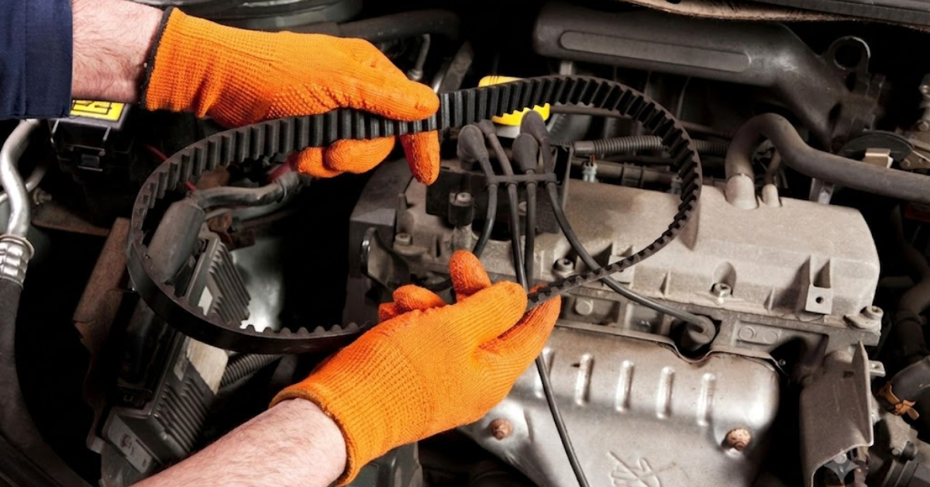
It’s a reinforced rubber belt with teeth along the inside. Those teeth grip gears on the crankshaft and camshaft, keeping everything coordinated. If the belt breaks, that coordination disappears instantly. The engine has no way to keep running without it.

What Happens the Moment a Timing Belt Breaks?

When a timing belt breaks while driving, the effects are immediate. Here’s what typically happens:

  • The engine stalls without warning. No warning light comes on first. The car simply stops running.
  • You lose power steering. Most power steering systems rely on the engine. Once it’s off, the wheel becomes stiff and hard to turn.
  • Brake assist drops significantly. Your brakes still work, but you’ll need to press much harder than usual.
  • Warning lights flood the dashboard. The check engine light, battery light, or others may appear all at once.

This is why a broken timing belt is especially dangerous at highway speeds. Steering becomes difficult right when you need it most.

Will a Broken Timing Belt Destroy Your Engine?

This is the question most drivers want answered, and the answer depends on your engine type.

Engine Type What Happens When the Belt Snaps
Interference engine Pistons and valves can collide. Serious damage is likely.
Non-interference engine The engine stalls, but internal collision is less likely.

Most modern vehicles use interference engines. In these, pistons travel into the same space that valves occupy — but at different times. The timing belt makes sure they never meet. When the belt breaks, that separation disappears, and metal parts collide at high speed.

Signs of a Broken Timing Belt (and a Failing One)

Most drivers don’t know their timing belt is in trouble until it’s too late. But there are signs of a broken timing belt, and more importantly, signs it’s about to fail, that you can watch for.

Warning signs before failure:

  • A ticking or slapping noise from the engine
  • Engine misfires or rough idling
  • Difficulty starting the car
  • Oil leaking near the front of the engine
  • A noticeable drop in engine power

Signs of a broken timing belt:

  • The engine suddenly shuts off while driving
  • Car won’t start at all (engine turns but doesn’t fire)
  • Loud bang or snap sound from the engine

If you notice any early warning signs, don’t wait. An inspection could save you thousands of dollars.

Causes of Timing Belt Failure

Knowing the causes of timing belt failure helps you prevent it in the first place. Timing belts don’t last forever, and several factors speed up their wear.

Common causes include:

  1. Age and mileage: Most belts are rated for 60,000 to 100,000 miles. Driving beyond that is a gamble.
  2. Oil leaks: Engine oil that drips onto the belt breaks down the rubber quickly.
  3. Worn tensioners or idler pulleys: These keep the belt tight. When they fail, the belt can slip or snap.
  4. Heat and humidity cycles: Rubber degrades over time, especially in extreme temperatures.
  5. Skipped maintenance: Missing scheduled inspections is one of the most preventable causes.

The belt itself rarely fails randomly. Usually, something else is wearing it down first.

What to Do If Your Timing Belt Breaks While Driving?

If your engine suddenly cuts out on the road, stay calm and follow these steps:

  1. Grip the steering wheel firmly. It will feel heavier than usual. Keep the car straight.
  2. Turn on your hazard lights immediately.
  3. Brake steadily. Press firmly; you’ll need more force without power assist.
  4. Steer toward the shoulder or a safe area.
  5. Do not try to restart the engine. Cranking a damaged engine can make things much worse.
  6. Call for a tow truck. Have the car transported to a trusted auto repair shop.

The most important rule: do not restart the car. Even one crank of the engine can cause additional damage inside.

Why Timing Belt Maintenance Matters More Than People Think?

Timing belt maintenance is one of the most important services you can do for your car, and one of the most overlooked. Because the belt is hidden inside the engine, most drivers never see it. Out of sight, out of mind.

Regular maintenance catches:

  • Cracks or fraying in the belt itself
  • Weak tensioners that let the belt go slack
  • Oil leaks near the front seal that contaminate the belt
  • Worn pulleys that create uneven wear

FAQs

Can you drive a car if the timing belt breaks?

No. Once the timing belt snaps, the engine stops immediately. The car cannot move under its own power. Attempting to restart it risks making internal damage much worse. Have it towed to a repair shop right away.

Is there any warning before a timing belt breaks?

Sometimes. You may notice a ticking noise from the engine, rough idling, difficulty starting, or oil leaking near the front of the engine. But many belts break with no warning at all, which is why scheduled replacement is so important.

How long can a car drive with a bad timing belt?

A worn timing belt can fail at any moment with no warning. If your mechanic says the belt is worn or cracked, it should be replaced before your next drive. There is no safe amount of time to delay.

What are the causes of timing belt failure?

The most common causes are high mileage beyond the replacement interval, oil leaks that degrade the rubber, worn tensioners or pulleys, extreme temperature cycling, and deferred maintenance. Most failures are preventable with regular inspections.

Is it worth fixing a car with a broken timing belt?

It depends on the damage. In non-interference engines, repair is often straightforward and worthwhile. In interference engines, internal damage can be serious. Get a full diagnosis first, then compare repair costs to the vehicle’s value before deciding.

Get Your Timing Belt Inspected at Cruz Automotive

If you can’t remember the last time your timing belt was checked, now is the time. At Cruz Automotive, our team has the experience and tools to inspect your belt, identify early wear, and replace it before it causes bigger problems. We work on a wide range of makes and models, and we’ll give you a straight answer about what your car actually needs.

Don’t wait for the belt to snap on the highway. Schedule your timing belt inspection with Cruz Automotive today and drive with confidence knowing your engine is in good hands.

How Long Can You Drive With an Engine Misfire Before Serious Damage Happens?

Introductions

You’re on your way to work, and you notice it: the steering wheel has a slight shake, the engine feels a little “off,” and then that orange check engine light flicks on. You think: it’s probably nothing. I’ll deal with it this weekend.

Sound familiar? You’re not alone. But here’s the honest answer most drivers need to hear:

In most cases, you should not drive more than a few miles with an active engine misfire, especially if that check engine light is flashing. What starts as a rough idle can snowball into catalytic converter damage, internal engine wear, and repair bills that are easily 5 to 10 times more expensive than the original fix. Here’s what you need to know.

What Is an Engine Misfire, Exactly?

An engine misfire is an incomplete combustion in one or more cylinders. Think of your engine as a perfectly timed team; each cylinder fires in sequence, producing a controlled explosion that keeps the whole thing running smoothly. A misfire happens when one of those cylinders drops the ball. The air-fuel mixture doesn’t ignite the way it should, and that cylinder essentially goes dark for that cycle.

The components most commonly behind a misfire are:

  • Spark plugs
  • Ignition coils
  • Fuel injectors
  • Oxygen or mass airflow sensors
  • Compression issues (worn rings, damaged valves)

The tricky part is that misfires can be intermittent; they come and go, which makes it tempting to assume the problem fixed itself. It rarely does.

Common Symptoms of an Engine Misfire

Misfires rarely announce themselves with a single obvious sign. Drivers typically notice a combination of the following:

Rough Idling

The engine may feel unstable or “lumpy” when the vehicle is stopped. This uneven idle is caused by one or more cylinders not contributing evenly to engine output.

Engine Shaking or Vibration

Noticeable vibration through the steering wheel, seat, or floor is a hallmark symptom. The more cylinders misfiring, the more severe the shaking.

Loss of Power During Acceleration

Drivers often report that the vehicle hesitates or feels sluggish when merging onto highways or climbing hills. Reduced cylinder count means reduced power output.

Flashing Check Engine Light

A steady check engine light indicates a stored fault code. A flashing or blinking check engine light signals an active, severe misfire that is occurring in real time. This is a critical warning that demands immediate attention.

Poor Fuel Economy

Incomplete combustion wastes fuel. If your fuel consumption has increased noticeably without a change in driving habits, a misfire may be the cause

How Long Can You Safely Drive With an Engine Misfire?

There is no universal answer, because the safe driving distance depends on the severity of the misfire. Here is a practical breakdown:


Misfire Severity Warning Signal Recommended Action
Mild / Intermittent Rough idle, occasional shaking Drive a short distance; schedule an inspection soon
Moderate / Consistent Steady shaking, power loss, poor MPG Avoid highway driving; arrange for repair immediately
Severe / Flashing CEL Flashing check engine light, strong vibration Pull over safely; do not continue driving


⚠ A flashing check engine light means your catalytic converter is at risk of permanent damage. Pull over safely and arrange a tow or inspection; do not continue driving.

What Happens If You Ignore an Engine Misfire?

This is where a lot of drivers get into trouble. The misfire itself might feel manageable, just a little rough, a little sluggish. But what’s happening inside the engine while you keep driving is a different story.

Catalytic Converter Damage

Unburned fuel passes through the exhaust system and enters the catalytic converter, where it can overheat and melt the substrate inside. Catalytic converter replacement is one of the most expensive exhaust repairs, often ranging from $1,000 to $2,500 or more depending on the vehicle.

Engine Overheating

Misfires alter combustion temperatures and can place unusual thermal stress on engine components. In some cases, this leads to overheating that compounds damage further.

Internal Engine Wear

Incomplete combustion can cause fuel wash-down of cylinder walls, reducing oil film thickness and accelerating wear on pistons, rings, and cylinder walls.

Complete Engine Failure

In severe cases where misfires are left unaddressed for extended periods, the cumulative damage can result in the need for a full engine rebuild or replacement, a repair that dwarfs the original cost of addressing the misfire.

Most Common Causes of Engine Misfires

Accurate diagnosis requires professional equipment, but the most frequent culprits include:

  • Worn or fouled spark plugs – the most common cause, especially in vehicles past their recommended service interval
  • Faulty ignition coils – when a coil fails, it can no longer deliver adequate voltage to the spark plug
  • Clogged or failing fuel injectors – disrupts the precise fuel delivery needed for complete combustion
  • Vacuum leaks – unmetered air enters the intake, upsetting the air-fuel ratio
  • Low cylinder compression – caused by worn piston rings, damaged valves, or a failing head gasket

An OBD-II scan tool can identify which cylinder is misfiring (P0301 through P0308, for example), which directs the technician toward the correct component for inspection.

Is It Safe to Drive With a Flashing Check Engine Light?

⚠ No. A flashing check engine light indicates a severe, active misfire. Unlike a steady light, a flashing light means catalytic converter damage is likely occurring with every mile driven. Stop driving as soon as it is safe to do so.

Many drivers mistake a flashing light for a temporary glitch. In reality, it is the vehicle’s OBD system communicating urgency. The cost of ignoring a flashing check engine light almost always exceeds the cost of addressing the original misfire promptly.

How Do Mechanics Actually Diagnose a Misfire?

A proper diagnosis isn’t guesswork — it’s a systematic process. Here’s what a qualified technician will typically do:

  1. OBD-II scan – Pull the stored fault codes to identify which cylinder(s) are affected
  2. Spark plug inspection – Wear patterns on the plugs reveal a lot about combustion conditions
  3. Ignition coil testing – Verify each coil is delivering adequate voltage
  4. Fuel injector testing – Check flow rate and spray pattern for each injector
  5. Compression testing – Measure cylinder pressure to rule out internal mechanical issues

Drivers in Holland, MI can bring their vehicle to Cruz Automotive Holland for a thorough diagnostic before any repair work begins — so you know exactly what you’re dealing with and why.

How to Prevent Misfires in the First Place?

The good news: most misfires are preventable with consistent maintenance.

  • Replace spark plugs on the manufacturer’s recommended schedule (commonly every 30,000–100,000 miles depending on plug type)
  • Keep up with regular oil changes, clean oil supports proper engine timing and lubrication
  • Use quality fuel and avoid running the tank excessively low
  • Address any warning lights promptly rather than waiting for symptoms to worsen
  • Schedule periodic tune-ups that include ignition system inspection

The Bottom Line

An engine misfire isn’t something to put off. The window between “this is a minor fix” and “this is a major engine repair” can close faster than most drivers realize, sometimes in a matter of miles. If your car is rough idling, shaking, losing power, or showing a check engine light, the smartest move is a professional diagnostic. Knowing exactly what’s wrong is always better than guessing or hoping it goes away on its own. Cruz Automotive Holland is here to help West Michigan drivers get straightforward answers and reliable repairs without the runaround.

Frequently asked Question

Can an engine misfire cause permanent engine damage?

Yes, and more easily than most drivers expect. Sustained misfires can damage pistons, valves, cylinder walls, and catalytic converters. The longer it’s ignored, the greater the risk of damage that can’t be undone cheaply.

How much does it cost to fix an engine misfire?

It depends on the root cause. Spark plug replacement is one of the more affordable repairs. Ignition coil replacement, fuel injector service, or compression-related repairs cost more. A diagnostic is the only way to get an accurate estimate — throwing parts at a misfire without knowing the cause is a good way to waste money.

Can low oil cause an engine misfire?

Yes. Low oil levels affect engine timing and lubrication in ways that can contribute to misfires, particularly in engines that use oil pressure to control valve timing (VVT systems).

Why does my car shake so much during a misfire?

Because the engine is no longer balanced. Each cylinder contributes to a smooth rotation. When one or more drops out, the engine runs unevenly, and that imbalance translates into vibration you can feel throughout the vehicle.

Will a misfire fix itself?

Occasionally, a misfire triggered by a temporary condition (moisture in the ignition system, for example) may appear to clear briefly. But for the vast majority of misfires, the underlying component is failing or worn, and it will get worse without intervention.

What does a P0300 code mean?

P0300 indicates a random or multiple-cylinder misfire. Unlike P0301–P0308 (which point to a specific cylinder), P0300 means the misfire isn’t isolated, which typically warrants a more comprehensive evaluation to identify the root cause.

How Long Does a Head Gasket Repair Take? Timeline & Process Explained

Introduction

Most drivers don’t think about their head gasket until something goes wrong. Then suddenly, it’s all they can think about. If your mechanic just told you that you have a blown head gasket, your first question is probably simple: How long is my car going to be in the shop?

The honest answer is, it depends. But we can walk you through exactly what to expect. Understanding the head gasket repair duration helps you plan and avoid surprises.

What Is a Head Gasket and Why Does It Matter?

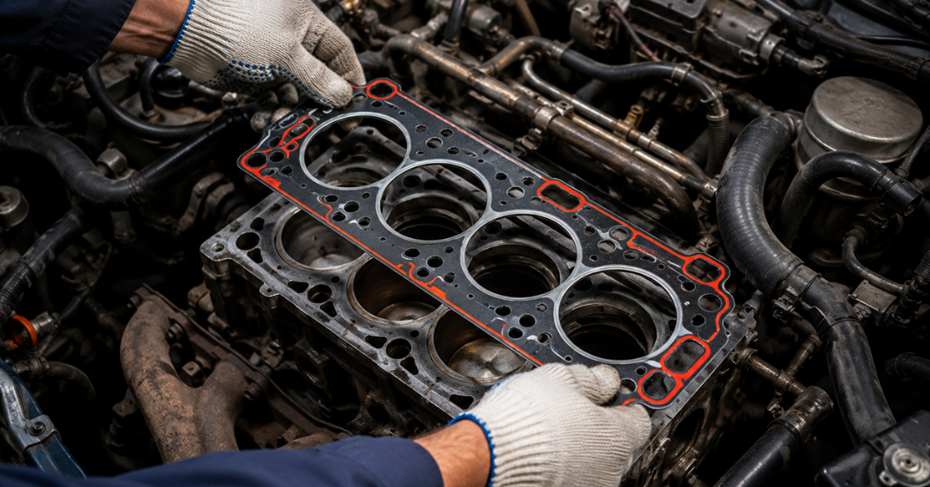
The head gasket sits between the engine block and the cylinder head. Its job is to keep coolant, oil, and compression in the right places.

When it fails, those systems can mix in ways they should not. That can lead to overheating, smoke, rough running, and serious engine damage. In other words, this is not a small seal. It is a key part of the engine’s health.

How Long Does a Head Gasket Repair Take?

Here’s the short answer: how long does it take to fix a blown head gasket comes down to two things: the complexity of your engine and whether the cylinder head needs machine shop work.

At a professional shop, expect your car to be there for 2 to 5 days. Active labor usually runs 6 to 15 hours. That might sound like a lot, but the job involves far more than swapping out a part.

If you’re a confident DIYer, plan for one to two full weekends, somewhere around 15 to 25 hours of hands-on work.

Here’s a quick breakdown of how long it takes to fix a blown head gasket :

Repair Type Active Labor Total Time
Professional Shop 6 to 15 hours 2 to 5 days
DIY 15 to 25 hours 1 to 2+ weekends

The Engine Head Gasket Repair Timeline, Step by Step

Understanding the engine head gasket repair timeline helps you see why this job takes as long as it does. It’s not one task. It’s a whole sequence of careful steps.

Step 1: Disassembly (2 to 4 Hours)

The mechanic starts by removing several engine components. This includes the intake and exhaust manifolds, valve covers, and the timing belt or chain. Nothing is rushed here. One wrong move during disassembly can create new problems.

Step 2: Cylinder Head Removal and Inspection (1 to 2 Hours)

Once the top of the engine is exposed, the cylinder head comes off. The mechanic checks it carefully for warping or cracks. A warped head means the gasket can’t seal properly, even with a brand-new part installed.

Step 3: Machine Shop Resurfacing (1 to 3 Days)

This is usually the biggest reason for delays. If the cylinder head is warped, it needs to go to a machine shop to be resurfaced and made perfectly flat again. Most shops don’t do this in-house. That means your car waits while the head is dropped off, worked on, and picked back up.

This step alone can add one to three days to the total repair time.

Step 4: Cleaning and Prep (1 to 2 Hours)

Before anything goes back together, the engine block surface gets thoroughly cleaned. Any coolant or oil contamination in the system also needs to be flushed out. Skipping this step leads to repeated failures down the road.

Step 5: Reassembly (3 to 5 Hours)

Now comes the careful work of putting everything back. The new gasket goes in, new head bolts are usually required (old ones often can’t be reused), and all the engine components get reinstalled in order.

Step 6: Testing (About 1 Hour)

Before you get your keys back, the shop runs the engine and checks everything. They look for leaks, monitor temperature, and make sure fluid levels are right. A good mechanic doesn’t hand back a car that hasn’t been properly tested.

What Factors Affect the Head Gasket Repair Duration?

Not every repair takes the same amount of time. A few things can push the timeline longer.

Engine type matters – A V6 or V8 engine has two cylinder heads instead of one. That means more labor hours, more parts, and more time overall. A straightforward four-cylinder is usually faster to work on.

Damage severity plays a big role – Catching the problem early makes a real difference. If the gasket failure is minor, the repair stays manageable. If the head is badly warped or the engine block is damaged too, the job gets much more involved.

Additional recommended services add time – Many shops suggest replacing the water pump and timing belt at the same time since everything is already taken apart. It’s smart to do it together, but it does add to the total hours.

How Much Does a Head Gasket Repair Cost?

The head gasket replacement steps involved make this one of the more expensive repairs you’ll face. The gasket part itself is actually not that costly, usually $100 to $200. But labor is where the bill grows.

Most drivers pay between $1,400 and $1,900 for a full head gasket repair. Labor alone can run $900 to $1,500, depending on the vehicle and shop rates. In some cases, the total can push past $2,000.

Signs Your Head Gasket Is Failing

Catching the problem early saves you time and money. Watch for these warning signs:

  • White smoke from the exhaust is a clear indicator that coolant is burning inside the engine.
  • Milky or foamy oil means coolant has mixed with your engine oil. Check your dipstick if you’re unsure.
  • Unexplained coolant loss without any visible leak often points to a gasket issue.
  • Engine overheating regularly is both a cause and a symptom of head gasket failure.

If you notice any of these, don’t wait. The longer you drive on a failing head gasket, the worse the damage gets.

Frequently Asked Questions

How long does it take to fix a blown head gasket at a shop?

Most professional shops need 2 to 5 days. Active labor runs 6 to 15 hours, but machine shop delays for cylinder head resurfacing often extend the total turnaround time significantly.

Can I drive with a blown head gasket?

No. Driving with a blown head gasket risks serious engine damage. Coolant and oil mixing can destroy your engine quickly. Get the car towed to a shop instead.

Is a head gasket repair worth it?

It depends on your car’s value. If repair costs exceed the car’s worth, replacement may make more sense. A trusted mechanic can help you weigh the options honestly.

What happens if a head gasket is not replaced?

The damage spreads fast. Continued driving leads to severe overheating, contaminated fluids, and possible total engine failure. It’s one repair that truly cannot be ignored.

Does engine type affect how long the repair takes?

Yes. V6 and V8 engines take longer because they have two cylinder heads. A four-cylinder engine is generally quicker to repair and less labor-intensive overall.

Bring Your Car to a Shop You Can Trust

If your engine is showing signs of head gasket trouble, don’t wait for things to get worse. We know how stressful car repairs can be, especially one this involved. That’s why at Cruz Automotive LLC, we walk you through every step of the process, give you honest timelines, and make sure the job is done right the first time. Schedule your inspection with us today and get your car back on the road with confidence.

Timing Belt vs Timing Chain: What’s the Difference and Which One Does Your Car Have?

If you have ever wondered about the timing belt vs chain difference, here is the simple answer.

A timing belt is made of rubber and needs replacement every 60,000 to 100,000 miles. A timing chain is made of metal, lasts much longer, and often does not need regular replacement. Both parts control engine timing and keep internal parts moving in sync.

We have worked on engines with both systems. Some fail slowly, while others fail without warning. Knowing which one your car uses helps you avoid sudden breakdowns and costly repairs.

Let’s break it down in a simple way.

What is engine timing, and why does it matter?

Engine timing means how parts move together inside the engine. These parts include pistons, valves, and shafts. They must open and close at the right moment. If timing is off, the engine will not run right. In worst cases, parts can hit each other and cause damage.

Both timing belts and timing chains control this process. They keep the crankshaft and camshaft in sync. Think of them like a conductor guiding an orchestra.

What is a timing chain, and how does it work?

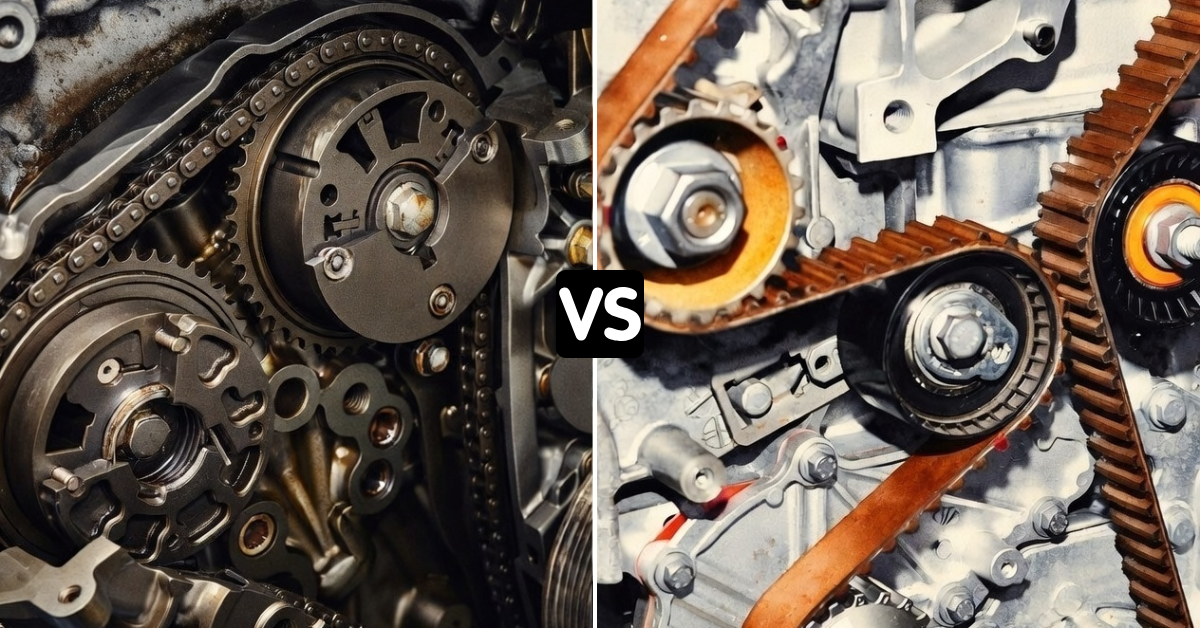
A timing chain is a metal chain, similar to a bicycle chain. It sits inside the engine and uses engine oil for lubrication. It connects key engine parts and keeps them moving in sync. Because it is made of metal, it is strong and built to last longer than a belt. Many drivers never replace it during normal ownership. But that does not mean it is maintenance-free.

What is a timing belt, and how is it different?

A timing belt is made from reinforced rubber. It looks like a thick rubber band with teeth. These teeth grip engine gears and keep everything aligned. Timing belts run quieter than chains. That is one reason many manufacturers used them for years. However, rubber wears out over time. Heat, friction, and age break it down. That is why belts need replacement at set intervals.

What is the real timing belt vs chain difference?

Let’s break down the timing belt vs chain difference in a simple, side-by-side table.

Feature Timing Chain Timing Belt
Material Made of metal Made of rubber
Lifespan Lasts longer, often the life of the engine Wears out over time, needs replacement
Noise Slightly louder Runs quieter
Maintenance Needs clean engine oil and checks Needs scheduled replacement
Cost Over Time Higher upfront repair cost Lower upfront, but repeated costs

In simple terms, timing chains are built to last longer, while timing belts are easier and cheaper to replace when needed.

What do we see most in real timing belt and chain repairs?

In real repairs, the issue is rarely sudden at first. Most problems build over time.

With timing belts, we often see cracks, wear, or loose tension before failure. Many drivers delay replacement, thinking the car still feels fine. Then the belt snaps during startup, and the engine stops instantly.

With timing chains, the warning signs are usually noise and rough running. A rattling sound during cold start is one of the most common early signs. This often points to chain stretch or tensioner wear.

From our experience, timing chain issues are often ignored longer because the car still runs. That delay can lead to bigger damage later.

How long does a timing chain last in real life?

Many people ask, how long does a timing chain last. In most cases, a timing chain can last the life of the engine. That often means 150,000 miles or more. Some even go beyond that with proper care.

But there is a catch. Timing chains depend on clean engine oil. If oil changes are skipped, the chain can wear faster. Tensioners can fail, too. So while the chain is strong, it still needs good maintenance habits.

Which engines use timing chains today?

Many modern engines now use timing chains instead of belts. This shift happened because chains last longer and reduce long-term service needs. Examples include many:

  • Four-cylinder engines in newer cars
  • Turbocharged engines
  • Larger V6 and V8 engines

Still, some manufacturers continue using belts in certain models. That is why checking your specific car matters.

What are the symptoms of timing chain failure?

The symptoms of timing chain failure often start small but get worse over time. Here are the most common signs:

  • Rattling noise during cold start
  • Engine misfiring or running rough
  • Check engine light turning on
  • Poor acceleration or low power
  • Metal particles found in engine oil

If you notice these signs, do not wait. Timing chain problems can quickly lead to serious engine damage if ignored.

What happens if a timing belt or chain fails?

This is where things get serious. When a timing belt breaks, the engine can stop instantly. In many engines, internal parts collide. This can bend valves or damage pistons. Timing chain failure can cause similar damage, especially at high speed. In simple terms, failure often means expensive repairs or even engine replacement. That is why early checks matter more than people think.

How do you know which one your car has?

You do not need to guess. Here are simple ways to find out:

  • Check your owner’s manual
  • Look up your car model online
  • Ask a trusted mechanic
  • Call a local service shop

We often help customers identify this in minutes. It is a small step that can save a lot later.

Should you replace a timing chain or belt early?

This depends on what your car uses.

For timing belts:

  • Replace every 60,000 to 100,000 miles
  • Do not wait for failure
  • Replace the water pump at the same time when possible

For timing chains:

  • No fixed replacement schedule
  • Focus on oil changes and inspections
  • Address noise or warning signs early

In our experience, prevention always costs less than repair.

Why does proper maintenance matter so much?

Timing systems work quietly in the background. That is why people forget about them. But these parts control the entire engine cycle. If they fail, everything else is affected. Regular oil changes, inspections, and timely service keep your engine healthy. It also gives you peace of mind while driving.

Frequently Asked Questions

What is better, a timing belt or a timing chain?

Both work well. Chains last longer and need less replacement. Belts are quieter but need regular changes to avoid failure.

Can a timing chain break suddenly?

Yes, but it is rare. Most chains show warning signs like noise or rough running before failing.

How expensive is timing chain replacement?

It can be costly because it sits inside the engine. Labor takes time, so costs are higher than belt replacement.

Do all modern cars use timing chains?

No. Many do, but some still use timing belts. Always check your specific model to be sure.

Is it safe to drive with a bad timing chain?

It is risky. A failing chain can cause engine damage. It is best to get it checked as soon as possible.

Want expert help with your timing system?

If you are unsure about your timing system, we can help. At Cruz Automotive LLC, we inspect both belts and chains with care. We explain issues in simple terms and guide you on the next steps.

We believe in fixing problems early and keeping your car reliable. If you notice noise, warning signs, or just want peace of mind, we are here to help. Book a visit with us and let’s keep your engine running the way it should.

Preventive Maintenance vs Reactive Repairs: Which Saves More Money Over 5 Years?

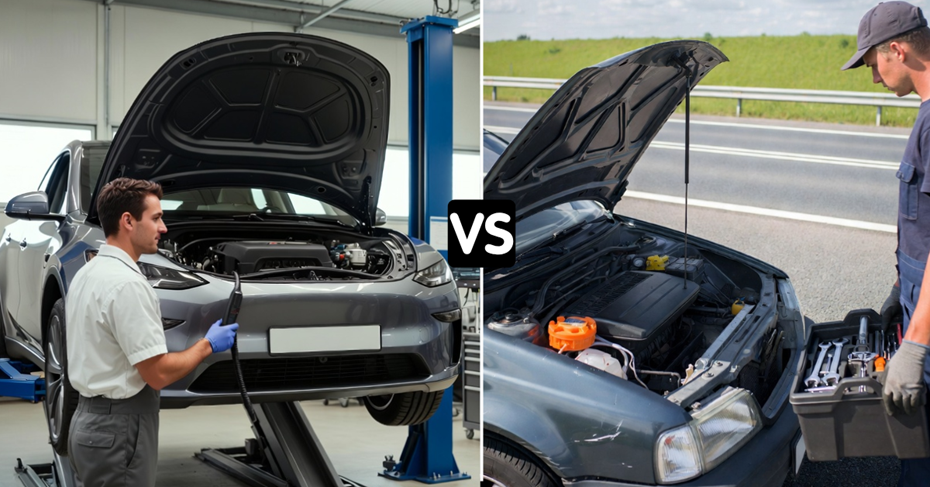
When your car needs service, you have two basic choices. You can plan routine care before problems show up. Or you can wait until something breaks and fix it then. Many drivers want to know which strategy costs less over time. It is a big deal. Car repairs add up fast if they come as a surprise.

Early care sounds like extra spending. But research shows that fixing small issues before they become big ones usually costs less. That is where preventive maintenance cost savings begin to matter. When we compare what happens over five years, the difference in cost and peace of mind becomes clear.

In this article, we explain how both approaches work, what science and industry data show, and how you can choose the best maintenance strategy for your vehicle.

What Is Preventive Maintenance?

Preventive maintenance means caring for your car on a regular schedule. It includes things like:

  • Changing engine oil and transmission fluid
  • Replacing air filters and worn belts
  • Inspecting brakes and tires
  • Checking battery and electrical systems

This kind of maintenance catches small problems early. You fix or replace parts before they fail. That prevents major breakdowns that can cost thousands of dollars.

Studies show that planned maintenance can reduce overall repair costs by about 12 percent to 18 percent compared to a reactive strategy. Preventive care also reduces unexpected failures and downtime.

What Are Reactive Repairs?

Reactive repairs happen after something breaks. You drive until there is a problem, and then you take your car in for service. A broken transmission, a failed alternator, or a blown timing belt suddenly needs fixing.

On the surface, this approach seems cheaper. You only pay when something goes wrong. But breakages rarely stay small. What may have started as a worn part often leads to other damage. One small failure can turn into multiple repairs that cost much more than catching the issue early.

How Much More Does Reactive Maintenance Cost?

Data from maintenance cost studies shows that reactive repair costs can be three to four times higher than preventive maintenance for the same part or system when you count emergency labor, downtime, and parts rush charges.

For example, skipping a $100 fluid change might seem okay. But if that leads to engine damage later, the total repair bill could reach several thousand dollars. In some industries, emergency repairs cost up to 10 times more than planned fixes.

In practical terms, paying for early service is predictable. Paying for unexpected breakdowns is not. Reactive repairs often include extra fees for after-hours labor, expedited parts, and towing.

How Preventive Maintenance Saves Money

1. Lower Emergency Repair Costs

Routine care stops small issues from getting worse. That means fewer big repairs. Most major breakdowns begin with signs you can catch early if you schedule regular service. Fixing a worn belt early costs far less than repairing the engine damage it causes if it breaks.

2. Fewer Unplanned Costs

Breakdowns often happen at inconvenient times. You may need a tow or a rental car. The cost of unplanned downtime adds up quickly. According to industry data, planned checks reduce emergency repairs and unplanned expenses by a significant amount over time.

3. Longer Vehicle Life

A well-maintained car lasts longer. Regular service keeps parts from wearing out prematurely. Vehicles that receive scheduled maintenance tend to reach higher mileages before requiring major overhauls. That means more years on the road and better long-term maintenance savings on costly replacements.

4. More Predictable Budgeting

With preventive maintenance, costs are scheduled and predictable. You can plan oil changes, brake checks, and fluid services before they become emergencies. This makes budgeting for car care much easier.

What Happens Without Regular Maintenance?

Skipping routine care increases the chance of sudden failures. For example:

  • Dirty fluids increase heat and friction, wearing parts faster
  • Worn brake pads can ruin rotors
  • Low fluid levels can damage transmissions

When one part fails, it often affects others. A reactive approach can quickly turn into an expensive cascade of repairs. That is how a small issue can become a big bill.

Real-World Numbers Over Five Years

Let’s imagine two drivers with similar cars:

Driver A: Preventive Maintenance

  • Follows the recommended service schedule
  • Regular oil and fluid changes
  • Periodic brake and belt inspections
  • Replaces small parts before failure

Outcome over 5 years: Lower total costs, fewer surprises, better resale value.

Driver B: Reactive Repairs

  • Services only when something breaks
  • Drives until warning lights or noises appear
  • Repairs critical failures after they happen

Outcome over 5 years: Higher repair bills, unplanned downtime, more stress.

Across industries, preventive care reduces total costs by 12 to 30 percent compared to reactive maintenance. It also improves reliability and extends lifespans.

What Are the Hidden Benefits of Preventive Care?

It is not just about money. Preventive maintenance also:

  • Improves safety by ensuring key systems work properly
  • Helps your vehicle run more efficiently
  • Boosts resale value because buyers trust service records
  • Reduces the chance of being stranded on the road

These benefits matter. They shape the total value you get from your car over time.

When Might Reactive Repairs Make Sense?

Reactive repairs might seem acceptable if your car is old, low-value, or rarely used. In these cases, the risk of major costs may be smaller.

But most drivers use their cars regularly. In that case, a preventive approach makes more sense. The small, regular expenses serve as insurance against high emergency bills. It is a strategy that pays off for most daily drivers.

What Should You Include in a Preventive Plan?

Good preventive care typically includes:

  • Oil and fluid changes
  • Transmission fluid service
  • Tire rotations and pressure checks
  • Brake and belt inspections
  • Battery tests
  • Filter and spark plug replacements

These simple services protect critical systems before they fail.

FAQs

How much can preventive maintenance save?

Studies suggest preventive maintenance reduces repair costs by 12 to 30 percent compared to reactive repairs.

Does preventive maintenance extend vehicle life?

Yes. Regular care prevents wear and delays major failures, helping your car last longer.

What is the highest cost of reactive maintenance?

Major breakdowns, emergency labor, towing, and rushed parts increase overall cost.

How often should a vehicle be serviced?

Follow the manufacturer’s schedule in your owner’s manual for best results.

Is preventive maintenance worth it for older cars?

Usually yes. Even older cars benefit from early repairs before small problems escalate.

Ready to Protect Your Vehicle and Save Over Time?

If you want real long-term maintenance savings, preventive care is the smarter path. Small, consistent service reduces risk, lowers five-year costs, and protects your vehicle’s value.

At Cruz Automotive, we focus on honest inspections and practical solutions. Whether you need routine service or advanced transmission care, our goal is to deliver reliable results without surprises.

If you are searching for the best transmission shop or trusted professionals among auto repair shops in Holland, we are here to help.

Why Is My Car Making That Noise? Common Causes Explained

What does it mean when your car makes unusual noises?

Unusual car noises usually indicate wear, loose components, fluid problems, or mechanical failure. Squealing often means belt issues, grinding points to brake damage, knocking suggests engine combustion or lubrication trouble, rattling may indicate exhaust or suspension problems, and hissing can signal coolant or vacuum leaks. Ignoring these sounds can lead to expensive repairs or safety risks.

Modern vehicles are engineered to run smoothly. When a new sound appears, it is usually your car’s early warning system.

Quick Summary:

In this article, we will learn:

  • What common car noises usually mean
  • When it is unsafe to keep driving
  • How mechanics diagnose unusual car noises
  • What you can check yourself before visiting a shop
  • Typical repair costs and risk levels

What do different car noises usually mean?

Different sounds point to different systems. Here is a clear breakdown of the most common noises and what they typically indicate.

Squealing noise when starting or accelerating

Squealing usually means the serpentine belt is worn, loose, or slipping.

  • Likely cause: Serpentine belt or pulley
  • Risk level: Low to moderate
  • Urgency: Inspect within 1 to 2 weeks

The serpentine belt powers components like the alternator and air conditioning. If it fails, your car may stall. While this issue is not immediately dangerous, waiting too long increases the chance of a breakdown.

Grinding noise when braking

Grinding while braking almost always means the brake pads are worn down completely.

  • Likely cause: Worn brake pads
  • Risk level: High
  • Urgency: Immediate repair

When brake pads wear out, metal rubs against the rotor. This damages both parts and increases the stopping distance. According to the National Highway Traffic Safety Administration, brake-related issues contribute to thousands of crashes each year. Driving with grinding brakes is unsafe and can multiply repair costs quickly.

Knocking or pinging from the engine

Knocking from the engine usually indicates improper fuel combustion or low oil levels.

  • Likely cause: Combustion issue or internal engine wear
  • Risk level: High
  • Urgency: Diagnostic test required

Low oil reduces lubrication, which causes metal components to strike each other. According to AAA, engine-related problems are one of the top causes of roadside breakdowns in the U.S. Experts recommend checking oil levels immediately if knocking begins suddenly.

Rattling under the car

Rattling underneath the vehicle often means a loose heat shield or exhaust component.

  • Likely cause: Loose exhaust or heat shield
  • Risk level: Moderate

While this may not affect driving immediately, parts can detach over time. Industry best practice suggests addressing exhaust rattles early to prevent further damage.

Comparison Table: Common Car Noises and Risk Levels


Noise Type Most Likely Cause Risk Level Repair Urgency
Squealing Serpentine belt Low to Moderate Within 1–2 weeks
Grinding Brake pads High Immediate
Knocking Engine issue High Diagnostic ASAP
Rattling Exhaust/suspension Moderate Schedule inspection

When Is It Unsafe to Drive With a Noise?

Some noises are “get it looked at soon” problems. Others mean you should pull over right now. Here’s how to tell the difference:

  • The noise gets noticeably louder or more frequent within a short drive, which means something is actively failing.
  • Your check engine light or brake warning light appears alongside the noise. Indicating your car is flagging a specific problem.
  • Steering feels loose, heavy, or vibrates in new ways. This can affect vehicle control at speed.
  • Braking feels spongy, pulls to one side, or takes longer. As compromised brakes are a safety emergency.
  • You smell something burning. Burning rubber (belt), burning metal (brakes), or a chemical smell (electrical) all mean stop immediately.

According to the Car Care Council, 77% of vehicles need maintenance or repairs at any given time. Many of those issues begin as ignored sounds. While minor squeaks can wait briefly, braking or engine-related noises require immediate attention.

When in doubt: pull over safely, turn off the engine, and call your mechanic. A tow is always cheaper than an engine rebuild or your safety.

Can I Diagnose Car Noises Myself?

Yes, you can do a few simple checks at home before calling a shop. These won’t replace a full inspection, but they can give you helpful clues and sometimes point to an obvious issue right away.

Here are a few things you can safely look at:

●     Check the Serpentine Belt

Make sure the engine is off and cool. Then look at the belt for cracks, fraying, a shiny surface, or missing pieces. If you notice any of these, the belt likely needs to be replaced.

●     Look at Your Brake Pads

You can often see the brake pads through the wheel spokes. If the pad material looks very thin, about a quarter inch or less, or if the rotor surface looks scratched or grooved, it’s probably time for new brakes.

●     Check the Oil Level

If you hear ticking or knocking, start with the oil. Pull out the dipstick, wipe it clean, put it back in, and pull it out again to check the level. If the oil is low or looks very dark and dirty, that alone can cause noise and should be addressed first.

●     Inspect the Tires

A steady thumping sound at highway speed could mean a flat spot, a bubble in the sidewall, or a missing wheel weight. Look for uneven tread wear, visible damage, or objects stuck in the tire.

Why Professional Diagnostics Are More Accurate?

Basic checks are helpful, but they have limits. Mechanics use tools and experience that most drivers don’t have.

For example, an OBD-II scanner can read trouble codes stored in your car’s computer, even if the check engine light is not on. A lift inspection allows a technician to see worn bushings, loose components, cracked mounts, or exhaust problems that you simply can’t see from the ground. And during a road test, an experienced technician can pick up on sounds that only happen while driving, not when the car is sitting still.

In many cases, getting a professional diagnosis early can save money because it prevents guessing and replacing parts that aren’t actually the problem.

How Mechanics Diagnose Car Noises?

Mechanics diagnose car noises by road testing the vehicle, scanning the onboard computer for codes, performing a full digital inspection, and examining the car on a lift to check hidden components. This structured process helps them find the exact source instead of guessing and replacing parts unnecessarily.

If you are hearing a new or unusual sound, getting a proper diagnosis early often prevents a small issue from turning into a major repair. Here is how mechanics diagnose car noises in a typical visit.

1. Road Test

First, the technician drives your car. They try to repeat the noise under the same conditions you described, such as:

  • At idle
  • During acceleration
  • While braking
  • When turning
  • At highway speeds

This helps them hear and feel the issue directly. For example, a noise during braking points to the brake system, while a sound during turns may involve suspension or CV joints. Reproducing the noise is often the key to narrowing down the right system.

2. OBD-II Scan

Next, they connect a scanner to your car’s onboard diagnostic port under the dashboard. This is called an OBD-II scan. The scanner can:

  • Read stored trouble codes
  • Detect pending codes
  • Show live sensor data

Even if you do not see a warning light, your car’s computer may already be tracking a problem. The scan gives early clues that cannot be heard just by listening to the engine.

3. Digital Vehicle Inspection (DVI)

Many repair shops now perform a full digital vehicle inspection. This is a multi-point check of major systems, including:

  • Belts and hoses
  • Brakes
  • Tires
  • Fluid levels and condition
  • Lights
  • Steering and suspension parts

This step ensures the mechanic is not just fixing one noise while missing another developing issue. It gives you a full picture of your vehicle’s overall condition.

4. Lift Inspection

Finally, the car is raised on a lift. This allows the technician to see parts that are impossible to inspect from the ground. On a lift, they can check for:

  • Worn CV boots
  • Loose or cracked exhaust hangers
  • Rusted or damaged brake hardware
  • Loose heat shields
  • Worn suspension bushings
  • Fluid leaks

Many rattles, clunks, and vibration issues are confirmed during this stage because the undercarriage is fully visible.

Hearing Something Strange in Holland, MI?

If you’re driving around Holland, on US-31, James Street, or the lakeshore roads, and your car is making a sound you’ve never heard before, don’t wait to see if it goes away on its own. Most mechanical noises don’t self-correct; they get worse.

Professional diagnostics at a trusted local shop can identify the root cause before it cascades into a much larger repair. Our team uses current OBD-II diagnostic tools, performs thorough lift inspections, and gives you a clear, honest assessment of what’s going on and what it’ll take to fix it.

FAQs

What Is the Most Serious Car Noise?

The most serious car noises are deep metallic engine knocking and metal grinding from the brakes because both can signal severe mechanical failure. Engine knocking may indicate worn internal bearings, while brake grinding usually means the brake pads are completely worn down. If you hear either sound, stop driving and have the vehicle inspected immediately.

Can Low Oil Cause Knocking Sounds?

Yes, low oil can cause engine knocking because internal engine parts are not properly lubricated. When oil levels drop, metal components begin rubbing together, which creates a knocking or tapping noise. If you hear knocking, check the dipstick right away. Add the correct oil if low. If the noise continues, stop driving and schedule an inspection.

Why Does My Car Make a Noise When Turning?

A clicking or popping noise while turning is most commonly caused by a worn CV joint. This happens when the protective rubber boot cracks, grease leaks out, and the joint wears down. Because these parts affect steering control, it is important to have the vehicle checked soon.

How Much Does It Cost to Fix Car Noises?

Car noise repair costs typically range from $75 to over $2,500, depending on the cause and how long the problem has been ignored. Minor issues are inexpensive, but internal engine damage can be costly.

Common repair cost ranges:

  • Serpentine belt replacement: $75 to $200
  • Brake pads per axle: $150 to $300
  • Brake pads and rotors per axle: $300 to $600
  • CV joint repair: $200 to $400
  • Exhaust heat shield repair: $75 to $150
  • Engine diagnostic: $100 to $150
  • Engine bearing repair: $500 to $2,500 or more

Fixing the issue early usually keeps costs lower and prevents larger repairs.

Is It Safe to Drive With a Knocking or Grinding Noise?

No, it is not safe to drive with a knocking engine or grinding brakes because both indicate serious mechanical problems. Continuing to drive can cause severe engine damage or reduced braking ability. If the sound is loud, consistent, or getting worse, limit driving and schedule service as soon as possible.

Affordable Auto Engine Repair: What Impacts the Cost in 2026?

Looking for auto engine repair near you can feel overwhelming. One strange sound can make you worry. A warning light can raise stress fast. Many drivers fear high costs and confusing repair bills.

In 2026, engine repair costs follow clear patterns. When you understand them, things feel more manageable. We believe knowing what affects pricing helps drivers stay calm and make smart choices. This guide breaks everything down in plain language.

Why Engine Repair Costs Matter More Today?

Cars last longer than they used to. That is good news for drivers. At the same time, engines have become more complex. They now use sensors, computers, and electronic controls.

These systems help engines run better. However, they also take more time to diagnose and repair. For drivers needing engine repair services in Holland, this means pricing depends on both parts and labor. Knowing this early helps avoid surprises.

What Engine Repair Really Means?

Engine repair does not always mean major work. Many problems start small. When caught early, repairs stay simple and affordable.

Engine repair can include fixing leaks, replacing worn parts, or adjusting engine systems. In some cases, it involves deeper internal work. The cost depends on how far the problem has gone.

Common Engine Problems Drivers See

Most engine issues give warning signs. Paying attention helps prevent bigger damage later.

Common engine problems include:

  • Rough starts or shaking while driving
  • Oil spots under the car
  • Overheating or warning lights
  • Loss of power or poor gas mileage

Each issue has a different cause and cost. Early fixes almost always cost less than delayed repairs.

What Affects Engine Repair Service Costs in 2026?

Several clear factors influence engine repair service costs. These factors apply to most vehicles and repair shops.

Type of repair needed

Simple repairs cost less. Replacing spark plugs or belts is fairly quick. Internal engine repairs take more time and skill.

Parts prices

Some parts are easy to find. Others are model-specific and cost more. Supply delays can also raise prices.

Labor time

Engine repairs take time. Technicians must inspect, test, and fix problems carefully. More labor hours increase the total cost.

Vehicle make and age

Some cars need special tools or parts. Older cars may have worn systems that need extra work. Both affect pricing.

How Location Impacts Engine Repair Pricing?

Where you live plays a role in repair costs. Shops in large cities often charge more. Higher rent and wages raise prices.

Drivers searching for engine repair services in Holland often see more balanced pricing. Local shops understand common driving conditions. This helps them diagnose issues faster and avoid unnecessary repairs.

The Role of Technology in Modern Engine Repairs

Modern engines rely on computers to run properly. Sensors track temperature, airflow, and fuel use. When something goes wrong, warning lights turn on.

Technicians must scan the system to find the issue. This takes time but improves accuracy. While diagnostics add some cost, they often prevent repeat repairs and wasted money.

Why Early Repairs Save Money?

Small problems rarely fix themselves. Ignoring them usually leads to bigger damage. Early repairs protect the engine and lower costs.

For example, a small oil leak may seem harmless. Over time, low oil can damage engine parts. Fixing the leak early costs far less than repairing engine damage later.

This is a key part of engine repair affordability.

Preventive Maintenance Keeps Engines Healthy

Routine maintenance plays a big role in reducing repair costs. It helps catch problems early and extends engine life.

Helpful maintenance habits include:

  • Regular oil changes
  • Checking fluid levels
  • Watching warning lights
  • Fixing leaks quickly

These steps help engines run smoothly and reduce surprise repairs.

How to Compare Engine Repair Options?

When engine trouble shows up, many drivers feel rushed. Taking a little time to compare options helps avoid overpaying.

Smart ways to compare repairs:

  • Ask for a written estimate
  • Request clear explanations
  • Ask about warranties
  • Find out if repairs are urgent

Clear answers help you make confident decisions.

Repair vs Replacement Explained Simply

Some engine issues raise a tough question. Should you repair the engine or replace it? The answer depends on a few factors.

If the car is newer and in good shape, repair often makes sense. If the car has many problems, replacement may not be worth the cost. A trusted shop can explain both options in plain terms.

Why Local Repair Shops Matter?

Local shops depend on trust. They build relationships with drivers over time. This often leads to honest advice and fair pricing.

Cruz Automotive LLC focuses on clear communication and practical solutions. Local experience helps explain problems simply. Drivers know what they are paying for and why.

Planning for Engine Repairs

Engine repairs are part of owning a car. Planning makes them easier to handle.

Simple planning tips:

  • Set aside a small repair fund
  • Keep service records
  • Fix small issues early
  • Know a reliable repair shop

These steps reduce stress when repairs are needed.

How Engine Repair Costs Compare to Ongoing Maintenance?

Industry data shows that doing regular maintenance costs much less over time than fixing big problems later. Skipping care often leads to higher expenses later. Spending a little on upkeep helps avoid large repair bills. This approach supports long-term engine repair affordability.

FAQs

What affects engine repair service costs the most?

The repair type, labor time, and parts prices matter most. Early diagnosis helps reduce total costs.

How do I find affordable auto engine repair near me?

Look for local shops with clear pricing and strong reviews. Honest explanations help keep costs reasonable.

Can maintenance really lower engine repair costs?

Yes. Routine care prevents major damage and extends engine life. Small fixes cost far less than large repairs.

Are newer cars more expensive to repair?

They often require more diagnostics. Older cars may need more part replacements. Costs depend on the issue.

When should I replace an engine instead of repairing it?

Replacement may make sense if repair costs exceed the car’s value. A professional inspection helps decide.

Schedule Trusted Engine Repair in Holland

Understanding what affects engine repair service costs helps you make informed choices. Early care, routine maintenance, and clear estimates all support better outcomes. Choosing the right shop matters.

If you need dependable engine repair services in Holland, help is close by. Contact Cruz Automotive LLC to schedule an inspection or discuss repair options. When you need reliable auto engine repair nearby, working with a trusted local team helps protect your vehicle and your budget.


Signs Your Suspension System Is Failing Faster Than Expected

The suspension system in your car plays a vital role in ensuring a safe and comfortable drive. It helps your vehicle stay stable over bumps and around corners. But when early suspension wear sets in, it can lead to unsafe driving and costly repairs. Knowing the signs early can save time, money, and stress.

What Is a Car Suspension System?

A suspension system includes shocks, struts, springs, and linkages. These parts work together to absorb road bumps and keep your car steady. Think of it like the springs on a mattress; they cushion movement and support weight. Without a healthy suspension, your ride feels rough, and your tires wear unevenly.

Even small problems like worn shocks can affect steering and braking. That is why a suspension inspection checklist is useful for spotting issues early.

1. Uneven Tire Wear

One of the first signs of trouble is uneven tire wear. If your tires look more worn on one side than the other, it could mean your suspension isn’t holding your car level. This happens because worn shocks or struts let your car tilt too much in corners or over bumps.

Check your tires regularly. Uneven wear can also affect fuel efficiency and safety. If you notice this, ask auto repair shops in Holland to do a quick suspension check.

2. The Car Bounces Too Much

Your car should absorb bumps smoothly. If you feel it bouncing excessively after hitting a pothole or speed bump, your shocks or struts may be failing. Bounce tests are simple, you can push down on the hood and see how fast the car settles. If it continues to bounce, it’s time for professional help.

This is often one of the first signs of early suspension wear, and addressing it quickly prevents further damage to your vehicle.

3. Pulling or Drifting While Driving

Does your car pull to one side or drift when driving straight? This could signal worn suspension components or alignment problems. A failing suspension can make it hard to keep your car straight, especially at higher speeds.

Noticing this early allows you to schedule auto suspension repair near you before it affects braking or tire life.

4. Strange Noises

Clunking, squeaking, or rattling noises when driving over bumps often point to suspension issues. These sounds happen when parts like bushings or ball joints become loose or worn.

It may seem minor at first, but ignoring these noises can lead to more expensive repairs. A suspension inspection checklist can help identify the exact problem quickly.

5. Steering Feels Loose or Unresponsive

Your steering should feel precise and stable. If it feels loose, heavy, or unresponsive, your suspension might be to blame. Worn shocks or struts reduce your car’s ability to react correctly to steering input.

Loose steering is a safety concern. Visiting auto repair shops in Holland for a thorough check is important to restore control and confidence while driving.

6. Vehicle Sags or Leans

A sagging or leaning car is a clear sign of suspension problems. This can happen when springs weaken or fail. You may notice your car leaning to one side when parked or having uneven ground clearance.

It’s easy to spot visually, but fixing it quickly through auto suspension repair prevents uneven tire wear and other mechanical stress.

7. Difficulty Braking Smoothly

A failing suspension affects braking. If your car dips forward when braking or feels unstable, the shocks or struts might not be doing their job. This increases stopping distance and reduces safety during emergencies.

Regular checks using a suspension inspection checklist ensure braking performance stays optimal.

How to Prevent Early Suspension Wear?

Suspension issues often start small but can worsen quickly if left unchecked. Taking a few simple steps can help extend the life of your suspension and keep your vehicle safe.

Rotate tires regularly

If tires remain in one position for an extended period, they can start to wear down unevenly. We recommend rotating your tires every 5,000–7,000 miles. This spreads the wear evenly and reduces stress on your shocks and struts. For example, if the front tires wear faster, your car may start pulling to one side, signaling early suspension wear.

Avoid potholes and rough roads

Hitting a pothole or driving on a badly damaged road can bend or break suspension parts. Even small bumps over time can loosen components. Slowing down on rough roads or taking alternate routes helps prevent damage and keeps your ride smooth.

Inspect your suspension system regularly

A simple check can reveal worn shocks, sagging springs, or loose bushings before they become serious problems. Ask your technician to perform a detailed inspection. Catching problems early often saves hundreds of dollars in repairs.

Replace worn components immediately

If you notice worn shocks, broken springs, or squeaky bushings, get them fixed right away. Ignoring these issues can lead to more serious problems, like uneven tire wear or poor braking performance. Acting quickly preserves both safety and comfort.

Schedule routine maintenance

Even if your car feels fine, regular visits to a trusted auto repair shop can prevent hidden suspension issues. Routine checks give your technician a chance to spot small problems before they become major repairs.

FAQs

Q1: How often should I get my suspension checked?

A1: Every 12,000–15,000 miles, or if you notice any of the warning signs listed above.

Q2: Can I drive with a failing suspension?

A2: Short distances are possible, but it’s unsafe for long trips. Repairing early saves money and risk.

Q3: What’s included in a suspension inspection?

A3: A technician checks shocks, struts, springs, bushings, and alignment. They may also look for leaks and damage.

Q4: How much does suspension repair cost?

A4: Costs vary by car and parts needed. Minor repairs may be a few hundred dollars, while major replacements can be higher.

Q5: Can poor roads cause early suspension wear?

A5: Yes, rough roads, potholes, and heavy loads speed up wear. Avoiding extreme conditions helps extend suspension life.

Take Action: Schedule a Suspension Check Today

If you notice any of these warning signs, don’t wait. A quick inspection can prevent further damage and keep you safe on the road. At Cruz Automotive LLC, we provide expert auto suspension repair and a detailed suspension inspection to ensure your vehicle stays in top condition. Trust our team at auto repair shops in Holland to spot issues early and fix them efficiently.

Schedule your appointment today and keep your ride smooth, safe, and reliable.