Suspension Problems That Cause Rough Rides and Uneven Tire Wear

A smooth ride makes driving safer and more comfortable. But if your car feels bumpy, pulls to one side, or your tires wear unevenly, these could be bad suspension symptoms. Your suspension system absorbs shocks from the road and keeps your tires in contact with the surface.

What Is a Car Suspension System?

Your car’s suspension system includes shocks, struts, springs, and linkages. These parts work together to keep the ride smooth and stable. Imagine riding a bicycle over rough ground, without suspension, every bump would jolt you. Cars use suspension to absorb road shocks, maintain tire contact, and keep you safe. Over time, wear and tear can cause components to fail, leading to bad suspension symptoms like rough rides or uneven tire wear.

Common Suspension Problems

Worn Shock Absorbers or Struts

Shocks and struts control how your car reacts to bumps and turns. If they wear out, your vehicle can bounce excessively. You might notice swaying when turning or heavy braking. Worn shocks also increase tire wear, which can create alignment problems. If you see these signs, schedule car suspension repairs in Holland promptly.

Broken or Sagging Springs

Springs support your car’s weight and keep it level. When a spring breaks or sags, one side of the car may sit lower than the other. This can cause uneven tire wear and make steering feel off. Springs may break from age, rust, or carrying heavy loads frequently. Getting suspension repair near you helps restore proper ride height and safety.

Worn Ball Joints or Tie Rods

Ball joints and tie rods connect your wheels to the suspension. If they wear out, your wheels can wobble or feel loose. Driving like this can damage tires and affect steering. Signs include clunking noises and uneven tire wear. Replacing these parts is a common car suspension repair in Holland.

Bushings and Mounts

Suspension bushings are rubber parts that absorb vibration and reduce friction. Worn bushings cause noise, vibrations, and rough handling. Mounts that hold shocks or struts can also wear, leading to poor ride quality. Addressing these issues early prevents further suspension alignment issues.

How Suspension Problems Affect Your Tires?

Uneven tire wear is one of the first clues of suspension trouble. If shocks, struts, or springs fail, your tires do not stay flat on the road. This causes certain areas to wear faster, reducing tire life and safety. You may notice one side wearing more than the other or irregular patterns on the tread. Checking suspension components regularly can prevent costly tire replacement. At Cruz Automotive LLC, we inspect suspension parts and tire alignment to ensure your vehicle drives safely.

Detecting Bad Suspension Symptoms Early

You can identify suspension issues before they become serious. Look for these common bad suspension symptoms:

  • Bumpy or rough rides over normal roads
  • The car pulls to one side while driving
  • Uneven tire wear or bald spots
  • Swaying or bouncing when turning or braking
  • Clunking or rattling noises from the suspension

If you notice any of these signs, it is a good idea to search for suspension repair near you. Early attention prevents bigger problems and keeps you driving safely.

Suspension Alignment Issues Explained

Suspension alignment issues happen when wheels are not perfectly straight or parallel. Poor alignment makes steering harder and causes tires to wear unevenly. Even new tires can wear quickly if alignment is off. A proper alignment adjusts angles like camber, caster, and toe, helping tires last longer. Regular inspections are important, especially after suspension work or hitting a pothole.

Steps for Effective Suspension Repair

Getting your suspension fixed may feel complex, but repair shops follow clear steps:

  1. Inspection – Mechanics check shocks, struts, springs, bushings, and mounts.
  2. Testing Ride Quality – They test the car over bumps and turns.
  3. Alignment Check – Wheels are measured for proper angles and adjusted.
  4. Replacement or Repair – Worn parts are replaced with new, high-quality components.
  5. Final Test Drive – The car is driven to confirm smooth, safe handling.

By following these steps, you can prevent suspension issues and prolong tire life.

Preventing Suspension Problems

You can reduce suspension wear by following simple practices:

  • Avoid potholes and rough roads when possible
  • Replace shocks, struts, and springs at recommended intervals
  • Rotate tires regularly to prevent uneven wear
  • Inspect suspension parts during oil changes or routine service

These actions keep your ride smooth and tires healthy while reducing long-term repair costs.

Why Choose Professional Suspension Repair?

DIY fixes may seem tempting, but suspension work requires experience and proper tools. Improper repairs can worsen suspension alignment issues or cause accidents. Professional services ensure safe and reliable results.

At Cruz Automotive LLC, we provide thorough inspections, expert repairs, and alignment checks. Choosing skilled mechanics protects your car and improves ride comfort.

FAQs

  1. How can I tell if my suspension has gone bad?
    Look for bumpy rides, uneven tire wear, car pulling, or noises from shocks and struts.
  2. Can I drive with bad suspension?
    Short trips may be okay, but driving long distances can be unsafe and damage tires.
  3. How much does suspension repair cost?
    Costs vary by parts and labor. An inspection from a trusted shop provides a precise estimate.
  4. How often should I check my suspension?
    A suspension check every 12,000–15,000 miles or during routine maintenance is ideal.
  5. Can I fix alignment issues myself?
    Alignment requires precision tools. It is safer to use a professional shop.

Keep Your Ride Smooth with Cruz Automotive LLC

Suspension problems can make driving uncomfortable and damage tires. Recognizing suspension issues and addressing them early keeps your car safe. Our team provides expert car suspension repairs in Holland to restore comfort and safety. Schedule a visit today and enjoy a smooth, reliable ride for years to come.
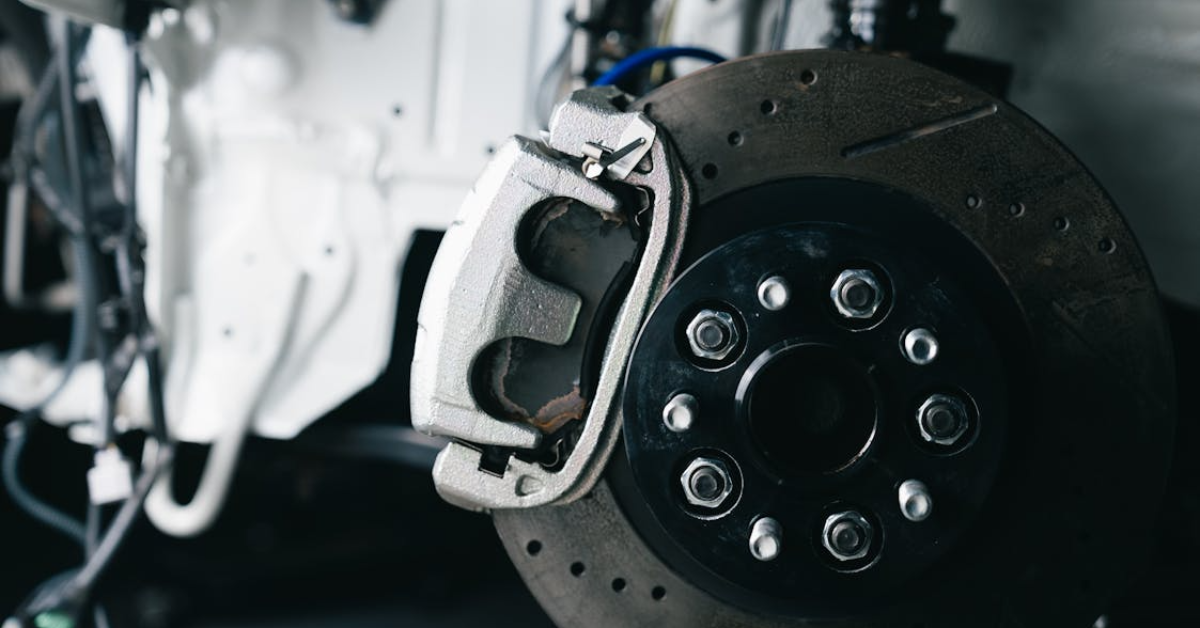

How Worn Brakes Affect Your Car’s Safety and Stopping Distance?

Your brakes help you slow down, stop safely, and stay in control every day. When they wear out, even normal driving can become risky. In the first few minutes behind the wheel, worn parts can already change how fast your car stops. That is why understanding brake pad wear signs matters more than most drivers think.

We often see drivers delay service because the car still moves fine. But braking problems rarely appear all at once. They build slowly and quietly. Learning how worn brakes affect safety helps you make better choices before problems grow.

Why Brakes Are Critical to Everyday Driving Safety?

Brakes do more than stop your car at traffic lights. They help you avoid crashes, handle hills, and react to sudden danger. When everything works right, your car responds fast and smoothly.

Worn brakes reduce that response. The pedal may feel soft, or the car may take longer to slow down. In heavy traffic, even a few extra feet can make a big difference. That delay often leads to rear-end crashes and close calls.

How Braking Systems Work in Simple Terms?

Your braking system uses friction and fluid pressure to slow the wheels. When you press the pedal, brake fluid moves through the lines. This pressure pushes brake pads against spinning rotors. Friction then slows the car.

If one part wears down, the whole system suffers. Thin pads create less friction. Old fluid cannot hold pressure well. Together, these issues increase stopping distance and reduce control.

What Happens When Brake Pads Wear Down?

Brake pads wear down every time you stop. That is normal. Over time, they become thin and less effective.

Thin pads cannot grip the rotor well. This causes slower stops and more heat buildup. Heat makes braking even weaker, especially during sudden stops. Ignoring brake pad wear signs puts extra stress on other brake parts.

Common Brake Pad Wear Signs You Should Never Ignore

Many drivers miss early warning signs. Knowing what to watch for helps you act sooner.

Here are common brake pad wear signs drivers notice first:

  • Squealing or grinding sounds when braking
  • Longer stopping distance during normal driving
  • A shaking steering wheel while slowing down
  • Brake warning lights on the dashboard

These signs usually appear before serious damage occurs. Acting early helps protect safety and saves money later.

How Worn Brakes Increase Stopping Distance?

Stopping distance is how far your car travels after you press the brake. New brakes stop faster because the friction is strong and even. Worn brakes reduce that friction.

For example, a car with worn pads may need several extra feet to stop. At highway speeds, those feet can turn into yards. That extra distance often decides whether you stop safely or hit something ahead.

The Role of Brake Fluid in Safe Stopping

Brake fluid plays a key role in stopping power. It transfers force from your foot to the brakes. Clean fluid holds pressure well, even under heat.

Old or dirty fluid absorbs moisture. This causes a soft pedal and weak response. That is why brake fluid system service is important for safe driving. It keeps pressure steady and braking predictable.

Why Brake Fluid Problems Often Go Unnoticed?

Brake fluid issues rarely make noise. The pedal may feel slightly soft, but many drivers adjust without noticing. Over time, this reduces control during hard stops.

Regular brake fluid system service in Holland helps prevent this problem. Fresh fluid improves response and protects internal brake parts. This service supports shorter stops and better control.

How Worn Brakes Affect Emergency Situations?

In emergencies, every second matters. Worn brakes delay reaction and increase panic. A soft pedal or slow stop makes it harder to avoid sudden hazards.

Imagine a child running into the road or a car stopping fast ahead. Strong brakes help you react calmly. Weak brakes force harder pressure and longer stopping distance, increasing crash risk.

How Brake Wear Affects Other Car Parts?

Ignoring brake wear often causes more damage. Thin pads wear down rotors faster. Old fluid can damage seals and lines.

These extra problems increase brake replacement costs over time. Early service often means replacing pads only. Delayed service may require rotors, fluid, and labor together.

Understanding Brake Replacement Cost in Simple Terms

Many drivers worry about brake replacement cost and delayed service. Costs vary based on wear level and parts needed. Pads cost less than rotors or full system repairs.

Fixing problems early usually saves money. Waiting often leads to bigger repairs and higher bills. Regular checks help control costs and improve safety.

How Often Brakes Should Be Checked?

We suggest checking brakes at least once a year. High-mileage drivers may need checks more often. City driving wears brakes faster than highway driving.

Brake fluid should also be inspected during routine visits. Regular brake fluid system service keeps everything working smoothly and safely.

How Driving Habits Affect Brake Wear?

Your habits affect brake life. Hard stops and heavy loads wear pads faster. Riding the brakes downhill also increases heat and wear.

Smooth driving helps brakes last longer. Leaving space between cars reduces sudden stops. These habits protect your braking system and lower brake replacement costs.

Why Professional Inspections Matter?

Some brake problems hide behind the wheels. Visual checks during inspections catch early wear. Professionals measure pad thickness and fluid condition.

At Cruz Automotive LLC, we focus on clear inspections and honest guidance. We explain what we see and why it matters. This approach helps drivers feel confident about their safety choices.

Signs Your Car Needs Brake Service Soon

Watch for these warning signs:

  • The brake pedal feels soft or low
  • The car pulls to one side when braking
  • Burning smell after short drives
  • Dashboard brake lights

These signs often mean service is overdue. Acting early helps restore safety and comfort.

How Brake Fluid Service Supports Overall Brake Health?

Brake fluid protects more than stopping power. It prevents rust inside brake lines and parts. Clean fluid extends system life.

Regular brake fluid system service in Holland supports consistent pressure and smoother stops. This service pairs well with routine brake inspections.

Simple Steps to Protect Your Brakes

You can protect your brakes with simple habits:

  • Avoid sudden stops when possible
  • Do not overload your vehicle
  • Schedule regular brake checks
  • Follow fluid service intervals

These steps help extend brake life and control brake replacement cost.

FAQs

How do worn brakes affect stopping distance?

Worn brakes reduce friction and pressure. This makes the car travel farther before stopping.

What are the earliest brake pad wear signs?

Squealing sounds and longer stops often appear first. These signs should not be ignored.

How often should brake fluid be replaced?

Most cars need brake fluid system service every two to three years, depending on use.

Can worn brakes affect steering control?

Yes, uneven wear can cause pulling or shaking while braking.

Is it safe to drive with worn brakes short term?

Short trips may feel fine, but safety drops quickly. Delaying service increases risk.

Schedule Brake Service Before Small Issues Grow

Worn brakes affect safety, comfort, and confidence on the road. Understanding brake pad replacement signs, planning for brake replacement cost, and keeping up with brake fluid system service all support safer driving.

We help drivers stay informed and prepared. If your brakes feel different or overdue, now is the right time to act. Proper service today helps keep every stop safe tomorrow.

Top Engine Repair Issues Drivers Face in 2026 and How to Fix Them?

Cars in 2026 are smarter than ever, but engines still break down. At Cruz Automotive, we see this every week while providing engine repair services. Many drivers come in after searching for auto engine repair near you, unsure what went wrong. Most engine problems do not start suddenly. They build up over time through wear, skipped service, or small warning signs being ignored.

Understanding car engine problems helps drivers avoid stress and big repair bills. Knowing common engine issues also makes it easier to act early.

Why Engine Problems Feel More Confusing in 2026?

Engines today are packed with technology. Sensors, computers, and software control how fuel burns and how air flows. This helps cars run cleaner and use less gas. It also means small failures can cause big symptoms.

A loose sensor or dirty part can make the engine shake or lose power. That does not always mean the engine is failing. Many drivers panic when warning lights turn on. In reality, the fix is often simple when caught early.

Driving habits also matter more now. Short trips, heavy traffic, and skipped oil changes slowly wear engines down. Over time, those habits lead to problems that feel sudden but are not.

Engine Misfires That Make Cars Run Rough

Engine misfires are one of the most common issues we see. A misfire happens when fuel does not burn the right way inside the engine. This causes shaking, jerking, or a rough idle. Some drivers also notice a flashing check engine light.

The most common engine misfire causes include worn spark plugs and bad ignition coils. Dirty fuel injectors can also block fuel flow. Vacuum leaks let extra air into the engine and throw things off. In newer cars, a failing sensor can confuse the engine computer.

To fix a misfire, we start with a diagnostic scan. This tells us which cylinder or system has trouble. We then replace worn parts or clean injectors as needed. Once repaired, the engine runs smoother and uses fuel better.

Overheating Engines and Cooling System Trouble

Overheating is still one of the fastest ways to damage an engine. When an engine gets too hot, metal parts can warp. Seals can fail. Repairs become expensive fast.

Modern cooling systems rely on several parts working together. Low coolant is a common issue. Small leaks in hoses or radiators often go unnoticed. Thermostats can stick closed. Electric cooling fans may stop working without warning.

Fixing overheating problems starts with a full cooling system check. We look for leaks, test the thermostat, and check fan operation. Restoring proper coolant flow protects the engine from serious damage.

Oil Problems That Slowly Destroy Engines

Oil keeps engine parts moving smoothly and controls heat. When oil problems show up, damage can happen fast. Many drivers underestimate how serious oil issues are.

Common signs include warning lights, burning smells, or louder engine noise. Oil leaks under the car are another clear signal. In many modern car engine problems, oil issues come from worn seals or gaskets.

We check the oil condition and pressure first. Leaks are traced and repaired before adding fresh oil. Fixing oil problems early helps engines last much longer.

Sensor Failures That Confuse the Engine

Modern engines rely on sensors to make decisions. These sensors measure airflow, exhaust gases, speed, and temperature. When one fails, the engine may hesitate or idle poorly.

Oxygen sensors and mass airflow sensors are common trouble spots. Crankshaft sensors also fail over time. These parts wear out naturally, even with good care. We use diagnostic tools to find the bad sensor. Once replaced, the engine computer is reset. The engine then runs the way it should again.

Timing System Problems That Should Never Be Ignored

The timing system keeps engine parts moving together. If timing slips, engines may stall or fail to start. In severe cases, internal damage can happen.

Warning signs include rattling noises, loss of power, or trouble starting. Check engine lights often appear as well.

Timing repairs involves inspecting belts or chains for wear. Worn parts are replaced, and timing is reset to factory specs. This restores safe and smooth engine operation.

Fuel System Issues That Reduce Power

Fuel systems deliver the right amount of fuel to the engine. When they fail, performance drops quickly. Drivers may notice hesitation or weak acceleration.

Clogged fuel injectors are common. Weak fuel pumps reduce pressure. Dirty fuel filters block proper flow. Poor fuel quality makes these problems worse. Fuel system repairs include pressure testing and injector cleaning. Filters are replaced when needed. Once fuel flow is restored, engines respond better.

Why Warning Lights Should Never Be Ignored?

Many drivers keep driving with warning lights on. They hope the light will turn off by itself. This usually makes things worse.

Warning lights exist to protect the engine. They alert you early so repairs stay small. Ignoring them can turn a simple fix into major engine damage. If a light turns on, get it checked soon. Early diagnosis saves money and stress.

How Driving Habits Affect Engine Health?

Short trips are hard on engines. The engine does not fully warm up, which causes buildup. Heavy traffic also adds strain through heat and stop-and-go movement.

Skipping maintenance adds to the problem. Oil breaks down over time. Filters clog. Fluids lose effectiveness.

Changing habits helps. Drive longer trips when possible. Follow service schedules. Small changes protect engines long-term.

Preventing Engine Problems Before They Start

Prevention is always cheaper than repair. Regular inspections catch small problems early. This keeps engines running longer and smoother.

Stick to factory maintenance schedules. Use the right oil and fuel. Pay attention to strange sounds or smells.

Why Professional Engine Repair Matters?

Modern engines are complex. Guessing leads to wasted time and money. Proper diagnostics find the real problem the first time.

At Cruz Automotive, we focus on accuracy. We fix root causes, not symptoms. This approach saves drivers from repeat visits and surprise costs. Professional tools and experience matter more than ever in 2026.

FAQs

What are the most common engine problems today?

Misfires, sensor failures, oil leaks, and cooling system issues are the most common.

How do I know when engine repair is urgent?

Shaking, overheating, flashing lights, or loud noises mean you should get help soon.

Are newer engines harder to fix than older ones?

They are more complex, but proper diagnostics make repairs accurate and safe.

Can regular maintenance really prevent engine failure?

Yes. Routine service prevents most serious engine damage.

Is it safe to keep driving with a check engine light on?

Sometimes, but it is risky. Small issues can become big problems fast.

Trusted Engine Repair Services in Holland

Engine problems feel stressful, but they do not have to be. Our team provides honest, clear engine repair services backed by experience.

If you are searching for auto engine repair near you, Cruz Automotive is ready to help. We understand modern engine problems, identify engine misfire causes, and fix issues the right way so you can drive with confidence in 2026 and beyond.

Air Filter & Cabin Filter – What’s the Difference and Why It Matters for Your Car’s Health

When you think about basic car care, filters may not be the first thing that comes to mind. Yet, these small parts play a big role in keeping your ride smooth, clean, and efficient. This guide helps you understand the difference between an engine air filter and a cabin air filter, plus why both matter more than most drivers realize. If you’re planning a Car service Holland mi appointment or comparing Auto shops in Holland, this quick breakdown will help you stay informed.

What an Engine Air Filter Does

Your engine needs clean air to run. The engine air filter makes that happen by stopping dust, pollen, dirt, and debris from entering the engine. Without this filter, the engine would struggle to “breathe,” just like a person with a stuffy nose. When airflow is blocked, fuel doesn’t burn properly. This leads to weak performance and poor fuel economy. That’s why mechanics always check the air filter during routine service.

What a Cabin Air Filter Does

While the engine filter protects your car’s motor, the cabin air filter protects you. It cleans the air that flows into the cabin through the heating, cooling, and ventilation system. This filter traps dust, allergens, mold spores, and even foul odors. So, you breathe cleaner and fresher air every time you drive. Anyone with allergies or asthma definitely benefits from a healthy cabin filter.

Key Differences Between Both Filters

Even though both filters clean incoming air, their roles are completely different:

  • The engine air filter protects the engine.
  • The cabin air filter protects the people inside the car.
  • The air filter affects performance and fuel efficiency.
  • The cabin filter affects comfort and air quality.

Both are essential, but they are not interchangeable. Each one handles its own job.

Common Signs of a Bad Air Filter

It’s easy to miss early problems, but your car usually gives clues. Here are common signs of a bad air filter:

  • Slow acceleration
  • Reduced fuel mileage
  • Rough engine sounds
  • Check engine light turning on
  • Strong smell of fuel while driving
  • Dark or dirty filter surface

If you notice these symptoms, it’s time to schedule a Car service Holland mi appointment before things get worse.

Car Cabin Air Filter Benefits

A fresh and clean cabin air filter offers more than just pleasant air. Check out these car cabin air filter benefits:

  • Helps you breathe cleaner and healthier air
  • Reduces dust buildup on dashboard surfaces
  • Removes foul odors from vents
  • Improves heating and cooling performance
  • Makes long drives more comfortable

Because this filter supports your comfort and health, ignoring it can make daily driving a lot less enjoyable.

When to Replace These Filters

Most filters need replacement every 12,000 to 15,000 miles. However, this can change depending on where you drive. Dusty, rainy, or windy roads can wear filters out much faster. Many Auto shops in Holland inspect both filters during routine maintenance so you stay ahead of issues. If you’re unsure when yours was last changed, it’s better to check early than wait too long.

Key Takeaway

Your car works best when both the engine air filter and the cabin air filter are clean. One helps the engine breathe, while the other helps you breathe. Paying attention to these small parts saves money, boosts comfort, and keeps your vehicle healthier for the long haul.

FAQs

How often should I replace my engine air filter?

Usually every 12,000 to 15,000 miles. But harsh driving conditions may require earlier replacement.

What happens if I don’t replace a dirty air filter?

Your engine may lose power, burn more fuel, or even misfire.

How can I tell if my cabin filter is dirty?

If the air smells weird, the vents blow weakly, or you notice extra dust inside the car, the cabin filter may be clogged.

Are cabin filters expensive?

Most are affordable, and replacing them is usually quick.

Clean Filters, Smooth Rides – Your Car Will Thank You!

At Cruz Automotive, we believe simple maintenance goes a long way in protecting your car’s health. Understanding the difference between your air filter and cabin filter helps you stay ahead of problems, breathe cleaner air, and enjoy smoother performance. When you’re ready for a dependable service experience, our team is here to help keep your vehicle running strong.

Your Complete 30k / 60k / 90k Mile Maintenance Checklist – What to Do & When

Owning a car is great, until surprise repairs show up out of nowhere. That’s why sticking to a routine car service schedule can save you money, stress, and major breakdowns later. This guide explains what your vehicle needs at 30k, 60k, and 90k miles, why each step matters, and how you can keep your vehicle running strong without guessing what’s due next. If you’ve ever wondered what really happens at these service milestones, you’re in the right place.

Why Mileage-Based Maintenance Matters

Your vehicle is built to last, but only if it gets the right care at the right time. That’s where car mileage-based maintenance steps in. Instead of waiting for something to break, you follow a plan that keeps the engine, transmission, and major systems healthy.

Plus, when you stay on schedule, your car performs better, uses less fuel, and is less likely to leave you stranded. Drivers in West Michigan especially benefit from consistent checkups because our weather can be tough on vehicles.

What to Expect at 30,000 Miles

Your car is still pretty young at 30k miles, but it has definitely been through enough to need a fresh tune-up. Here’s what usually gets checked or replaced:

1. Air Filters

Your engine and cabin air filters collect dust, leaves, and debris. Replacing them helps your engine breathe better and keeps the air inside clean.

2. Fluids Check

Techs inspect coolant, brake fluid, power steering fluid, and transmission fluid levels. If anything looks low or old, they top it off or replace it.

3. Tire Rotation

Your tires wear unevenly. Rotating them helps them last longer and improves traction.

4. Brake Inspection

Pads and rotors are checked to catch early wear before it becomes a bigger bill.

This is also a great time to get a basic Car service in Holland, especially if you drive daily or sit in traffic often.

What to Expect at 60,000 Miles

At 60k miles, your car has put in serious work. This is the stage where deeper maintenance becomes important.

1. Transmission Fluid Service

This is the big one. Getting a Transmission service in Grand Haven helps the gears shift smoothly and prevents early transmission failure. Skipping this step can cause rough shifting or even overheating later.

2. Battery Check

Most car batteries last around 3–5 years. At 60k miles, yours might be getting close to retirement.

3. Brake Fluid Replacement

Brake fluid absorbs moisture over time. Replacing it keeps your stopping power strong.

4. Spark Plugs

Old spark plugs can cause misfires and lower fuel efficiency. This mileage mark is often the time to swap them out.

What to Expect at 90,000 Miles

Once you hit 90k miles, your car is entering a mature phase. And like anything aging gracefully, it needs a bit more TLC.

1. Timing Belt or Chain Check

Some cars need a timing belt replaced around this point. If it breaks, the engine can suffer major damage.

2. Water Pump

Often replaced along with the timing belt, since both parts work together.

3. Hoses and Belts

Rubber doesn’t last forever. Cracked or worn hoses should be replaced before they leak.

4. Suspension Check

Shocks, struts, and bushings may need attention to maintain a smooth ride.

Following these steps keeps your car healthy and prevents huge repair bills down the road.

Key Takeaway

Mileage-based vehicle care isn’t guesswork. It’s a roadmap that helps you avoid sudden repairs and keeps your car safe on the road. When you follow a routine car service schedule, you get better performance, better fuel efficiency, and a longer-lasting engine and transmission.

Frequently Asked Questions

1. Why is 30k/60k/90k maintenance important?

These intervals align with how long fluids, filters, and parts typically last. It prevents breakdowns and expensive repairs.

2. Do all cars follow the same maintenance schedule?

Most follow a similar pattern, but the exact list can vary. Your vehicle’s manual gives the most accurate instructions.

3. How often should I get transmission service?

Most drivers should get it around 60k miles, especially if they tow or drive in stop-and-go traffic.

Conclusion!

At Cruz Automotive, we help drivers stay on top of their 30k, 60k, and 90k mile maintenance so their vehicles run stronger for longer. We believe in honest inspections, clear explanations, and reliable service that keeps you safe on the road. When your car hits one of these milestones, we’ve got your back with the right care at the right time.


Why Fuel Efficiency Matters More Than Ever – Simple Maintenance Tips to Improve MPG

Why Fuel Efficiency Is a Big Deal Today

Fuel prices keep going up, and most drivers feel that pinch every time they fill their tank. Because of this, fuel efficiency matters more than ever. Many drivers want to know how to improve fuel efficiency without spending a fortune. The good news is that you don’t need fancy tools or expensive upgrades to boost MPG. Sometimes, small habits and basic vehicle care can make a world of difference.

This guide breaks down simple steps anyone can follow. It also explains when to get help from Auto shops in Holland or schedule a Car service Holland MI appointment to keep your ride in top shape.

Everyday Habits That Help You Save Fuel

Before jumping into maintenance, let’s talk about daily driving habits. They actually play a huge role in gas usage.

Drive Smoothly

Speeding and hard braking burn fuel fast. Try to accelerate slowly, brake gently, and maintain a steady pace. Your car will thank you.

Use Cruise Control

On long, open roads, cruise control helps your car stay consistent. This prevents fuel-wasting speed changes.

Lose the Extra Weight

Keeping heavy items in your trunk pulls down MPG. So, travel light when you can.

Limit Idle Time

If you’re waiting for more than a minute, it’s better to turn off the engine. Idling burns fuel for no good reason.

These simple habits already push your MPG in the right direction. But for deeper gains, maintenance matters even more.

Simple Maintenance Tips That Improve Gas Mileage

Routine care is the secret to improve gas mileage maintenance. These steps are simple, affordable, and make a noticeable difference.

Check Tire Pressure Regularly

Low tire pressure increases rolling resistance. This forces your engine to work harder and burn more gas. Keep your tires inflated to the recommended PSI. It’s one of the easiest and biggest MPG boosters.

Replace Dirty Air Filters

A clogged air filter makes it tough for your engine to breathe. When the engine struggles, fuel burns faster. A clean air filter improves airflow and boosts MPG.

Keep Up With Oil Changes

Old or dirty oil causes friction inside the engine. Fresh oil helps the engine run smoother and more efficiently. Check your owner’s manual for oil change intervals.

Inspect Spark Plugs

Worn spark plugs lead to misfires or rough running. This hurts fuel economy. Replacing them ensures efficient combustion.

Maintain Proper Wheel Alignment

If your wheels aren’t aligned, your car drags slightly to one side. That drag burns fuel. A quick alignment fix saves gas and protects your tires.

Schedule Regular Vehicle Checkups

Routine inspections at Auto shops in Holland can catch fuel-wasting issues early, like low fluids, weak sensors, or failing parts. Even small problems can reduce MPG if left alone.

When to Visit Auto Shops in Holland

If your MPG suddenly drops, your vehicle struggles to accelerate, or the check engine light turns on, it’s time for a Car service Holland MI appointment. Skilled technicians can diagnose hidden issues that basic maintenance won’t solve at home. Getting help early prevents bigger repair bills later.

Key Takeaway

Fuel efficiency isn’t just about saving money. It supports smoother driving and keeps your car healthier. With smart habits and simple upkeep, anyone can improve MPG without stress or high costs.

FAQs

How often should I check tire pressure?

At least once a month. Also check before long trips.

Does driving slower really save gas?

Yes. High speeds increase wind resistance, which burns more fuel.

Can old oil reduce MPG?

Definitely. Old oil makes the engine work harder.

What maintenance boosts fuel efficiency the most?

Proper tire inflation, clean air filters, fresh oil, and good spark plugs.

Save fuel, save money, drive smarter, every mile counts!

Cruz Automotive knows that drivers want real, simple ways to boost fuel efficiency without overcomplicating things. By following basic habits and keeping up with routine maintenance, every driver can enjoy better mileage and smoother performance. When your vehicle needs expert attention, Cruz Automotive is ready to help with reliable inspections and trusted care.

All-Season vs. Performance Tires in Michigan: Which Replacement Option Is Best for You?

Driving in Michigan can feel like stepping into a whole different world. One moment the sun is shining, and the next, the road is slick with icy slush. Because of unpredictable weather, choosing the right tire type matters more than most drivers realize. This guide breaks down the difference between all-season and performance tires so you can make a smart decision for your next tire replacement Holland MI. We’ll look at how each option handles Michigan roads and which one fits different driving needs.

What Makes Michigan Driving Unique

Michigan roads face heavy snow, sudden rain, freezing winds, potholes, and long highway stretches. So, your tires need to adapt fast. Safe driving depends a lot on grip, stability, and stopping power. Many drivers turn to trusted car repair shops in Holland MI to help choose the best tires because the wrong choice can mean sliding through a stop sign or replacing tires too often.

What Are All-Season Tires

All-season tires are designed to handle a wide range of weather. They balance traction, mileage, and comfort. These tires are made to perform well in wet and dry conditions and offer fair control in light snow. Most everyday drivers choose them because they are convenient and long-lasting.

Pros of All-Season Tires:

  • Good performance for daily driving
  • Longer tread life
  • Smooth and comfortable ride
  • More budget-friendly compared to performance tires

Best For: Commuters, families, and drivers who stick to city or highway travel.

What Are Performance Tires

Performance tires are the go-to choice for drivers who want strong traction and sharper handling. These tires are built from softer rubber, which sticks better to the road and makes turning and braking more responsive. They shine during warm seasons and at higher speeds.

performance tire benefits include:

  • Better grip in dry and wet conditions
  • Faster and smoother braking
  • Increased cornering control
  • Better steering response for sporty driving

Best For: Drivers who enjoy powerful performance, own sport-style cars, or travel long distances at higher speeds.

Key Differences Between All-Season and Performance Tires

All-season tires provide moderate grip, a smoother ride, and longer lifespan. They handle rain well and work in light snow, making them great for everyday driving. They are also more budget-friendly.

Performance tires deliver stronger traction, sharper steering, and better braking on dry and wet roads. They feel firmer and wear faster, and they don’t perform well in cold or snowy conditions. They usually cost more but offer high-level control for sporty driving.

Which Tire Type Fits Your Driving Style

If you drive steady and just need reliable traction for Michigan’s mixed weather, all-season tires are a smart and affordable choice. But if you want more control and sharper performance in warm months, performance tires make a big difference.

Still unsure? Many Auto shops in Holland offer test comparisons and professional recommendations based on your habits, car type, and seasonal conditions.

Cost & Longevity Considerations

All-season tires can last longer and cost less upfront, making them a great long-term value. Meanwhile, performance tires may cost more and wear faster because of their softer rubber. However, they offer a major safety advantage for drivers who demand peak control.

Think about what matters most to you: comfort and durability, or speed and handling? Making the right call can save money and prevent risky moments on the road.

FAQs

Q1. Can I use performance tires in winter?

Performance tires are not ideal for heavy snow or ice. They lose grip as temperatures drop. Switching to winter tires or using all-season tires is much safer.

Q2. How often should I replace my tires?

Most tires last between 3 to 5 years depending on mileage and road conditions. You should check tread depth and damage during regular tire replacement Holland MI services.

Q3. Do all cars benefit from performance tires?

Not always. They work best for sporty vehicles or drivers who want high-speed stability. Everyday drivers may prefer all-season tires.

The End Note!

At Cruz Automotive LLC, we understand that tire choices affect every ride you take. Michigan roads can be tough, and having the right tires can make driving safer, smoother, and more enjoyable. If you’re stuck between all-season and performance tires, our team is always ready to help you choose the best fit based on your car and your lifestyle. Reach out anytime, and let’s keep your ride confident and safe on every mile.

Air Conditioning Blowing Warm? Book a Professional AC Repair in Holland MI

Introduction

Nothing ruins a summer drive faster than turning on your car’s air conditioning and getting blasted with warm air. It’s frustrating, uncomfortable, and honestly, it can feel like your car is letting you down at the worst time. This guide explains why your AC might be blowing warm, when it’s time to get help, and how Car repair shops in Holland MI can fix the issue before it gets worse. If you’re struggling with car cooling issues Holland, stick around, this blog will walk you through the basics in a simple, easy-to-understand way.

Why Is Your Car AC Blowing Warm Air?

When the AC stops cooling, it usually means something inside the system is struggling. The most common reason is that your car is low on refrigerant. Without enough refrigerant, the AC simply can’t produce cold air. Sometimes there’s a small leak, and other times the issue is electrical or related to the compressor.

Cooling problems don’t fix themselves. They slowly get worse. That’s why many drivers turn to trusted auto shops in Holland to inspect and solve these problems before a complete breakdown happens.

Common Causes of Cooling Problems

There are several reasons why your AC might fail. Here are a few common ones:

  • Refrigerant leak
  • Faulty compressor
  • Clogged condenser
  • Blown fuse or electrical problem
  • Worn-out cooling fans
  • Dirty cabin air filter

Even minor problems can lead to system failure. So, if you notice your air conditioning isn’t cooling like before, do not delay. Professional auto air conditioning service Holland teams diagnose issues fast with proper tools and testing.

Benefits of Professional AC Repair

Trying DIY fixes or ignoring the issue usually makes things more expensive later. Getting help from trained technicians means:

  • You can find hidden leaks quickly.
  • You avoid damage to other cooling components.
  • Your AC lasts longer.
  • You enjoy better fuel efficiency.
  • You stay comfortable and safe on the road.

Professional repairs also help protect your engine. If the cooling system struggles, the engine may overheat, which can cause serious damage. So staying ahead of car cooling issues Holland is not only smart, it’s necessary.

Signs You Shouldn’t Ignore

Watch for these warning signs that your AC needs help:

  • AC blows warm or weak air
  • Strange smells when AC is running
  • Clicking or grinding noise from under the hood
  • Car overheats when the AC is on
  • Water leaking onto the floorboard
  • AC turns on and off randomly

If you notice any of these symptoms, it’s time to get a professional inspection at trusted car repair shops in Holland MI instead of waiting for a total failure.

Choosing the Right Auto Experts

Finding the right repair shop matters. Look for places that specialize in cooling and AC diagnostics. A good shop will:

  • Explain issues clearly in simple terms
  • Offer detailed testing and inspection
  • Use the right tools and parts
  • Deliver honest pricing and repair recommendations

Professional technicians focus on long-term performance, not quick patch jobs. That’s why local drivers rely on respected auto shops in Holland for accurate and dependable repairs.

Key Takeaway

Warm air from your AC isn’t just annoying. It’s usually a warning sign that something inside the system needs attention. Instead of guessing, let trained experts handle the problem. Early repairs save money, improve comfort, and protect your engine.

FAQs

Why is my AC blowing warm air when the car is running?

It usually means you’re low on refrigerant or there’s a leak. It could also be a problem with the compressor or electrical system.

Can I drive my car if the AC is not working?

Yes, but ignoring the issue can cause bigger problems, especially if the cooling system affects engine temperature.

The End Note!

At Cruz Automotive LLC, we know how stressful it feels when your air conditioning stops working, especially during Michigan’s heat waves. When your AC is blowing warm, don’t sweat it. Let our experienced technicians diagnose the problem and restore the comfort you rely on daily. We’re here to help drivers across Holland stay safe, cool, and confident on the road. Reach out today to schedule a professional auto air conditioning service Holland appointment and keep your car performing at its best.


Winter Car Maintenance Checklist – Prepare Your Vehicle for Cold Weather in Holland MI

Introduction

Winter in Holland, Michigan can be brutal. Freezing winds, icy roads, and heavy snow storms can turn a simple drive into a risky situation. When temperatures drop, cars often struggle the most. Batteries die, tires lose pressure, and engines take longer to warm up. So, this guide breaks down a simple winter car maintenance checklist that helps you stay safe and avoid surprise breakdowns. This is written for everyday drivers and high school students too, keeping things super easy to understand.

This guide explains how to prep your vehicle for winter, what to check before the cold hits, and when to visit trusted Car repair shops in Holland mi for expert help. Let’s dive in and get your ride winter-ready.

Why Winter Car Care Matters

Cold weather is tough on cars. Oil thickens. Fuel lines freeze. Tires stiffen. Even windshield wipers crack from ice. Plus, driving on Michigan’s winter roads can be risky without preparation. Many problems can be prevented just by checking your vehicle before the snow starts falling.

Winter car care also helps prevent bigger repair bills later. A small fix now can keep you from getting stuck on the roadside in the middle of a snowstorm.

Cold weather car prep checklist

Use this cold weather car prep checklist to keep your vehicle safe and reliable:

Check your battery

Batteries lose power when temperatures drop. Make sure it’s fully charged and the terminals are clean. If your car struggles to start, get it tested right away.

Inspect your tires

Winter driving needs solid traction. Check tire pressure often since cold air lowers it fast. Consider winter tires if you drive daily. Also, look at the tread depth so your car grips the snow instead of sliding.

Test the brakes

Slippery roads are not the place to discover worn-out brakes. Listen for squeaking sounds or shaking when braking. If something feels off, get a brake inspection from professional Auto shops in Holland.

Top off fluids

Check engine oil, antifreeze, brake fluid, windshield washer fluid, and transmission fluid. Use winter-grade washer fluid so it won’t freeze.

Check your wipers & defroster

Good visibility is everything. Replace old wipers and make sure your defroster clears windows fast.

Pack a winter emergency kit

Include:

  • Blanket
  • Flashlight
  • Ice scraper
  • Jumper cables
  • Bottled water
  • Small shovel
  • First-aid supplies

Having these tools can literally save your life if you get stuck during a storm.

Inspect your heating system

Staying warm isn’t just about comfort. Heat helps keep windows from fogging.

Winter car inspection Michigan – What to Expect

A professional winter inspection goes deeper than a basic check. Experts examine the charging system, engine belts, coolant strength, tire wear, suspension parts, and exhaust systems. Mechanics can spot issues early before they turn into emergencies.

Many Car repair shops in Holland MI recommend doing a winter check at least once per year, especially before the first big freeze. Skilled Auto shops in Holland have the tools and experience to find hidden problems, things an untrained eye might miss.

Key Takeaway

Winter is tough on vehicles, but preparation is the secret to staying safe and avoiding stressful breakdowns. Follow the checklist. Fix small problems quickly. And rely on professional winter inspections to catch problems early.

FAQs

Q1: When should I start winter car prep?

Ideally, start early fall. Don’t wait for the first snowstorm. It’s much easier to prepare before freezing temperatures hit.

Q2: Do I really need winter tires?

If you drive a lot or live in a snowy area, yes. They grip ice and snow better than regular tires.

Q3: How often should I check my tire pressure in winter?

Check every 1–2 weeks. Cold air makes tire pressure drop fast.

Q4: Why does my car take longer to warm up in the cold?

Engine fluids thicken in low temps, so the engine needs more time to reach normal operating temperature.

Q5: What happens if I skip winter maintenance?

You risk battery failure, poor traction, engine trouble, and unsafe driving conditions.

The End Note!

Winter driving in Michigan requires preparation, and the right maintenance steps can help you travel with confidence. Use this guide to get your vehicle ready for the cold and stay safe on every trip. For professional inspections, repairs, and reliable winter car service, Cruz Automotive LLC is always here to help drivers in Holland stay on the road safely all season long. Stay warm, stay prepared, and drive smart.

Need Brake Repair? Book Your Appointment at Cruz Automotive Now

Brakes are one of the most important parts of your car, yet they are often overlooked until something goes wrong. Have you noticed squeaking sounds when stopping or a soft brake pedal that sinks too easily? These are signs that your brakes need attention. This guide explains why regular maintenance is crucial and how you can keep your braking system in top condition. From identifying warning signs to understanding professional services, this article will help you stay safe on the road.

Why Brake Maintenance Matters

Brakes are your car’s first line of defense in preventing accidents. A well-maintained braking system ensures you can stop safely in emergencies and reduces wear on other components. Over time, brake pads wear down, rotors can warp, and brake fluid may become contaminated. That’s why getting a brake fluid system service Holland is essential. Regular maintenance not only improves safety but also saves money by preventing major repairs. Simple inspections and fluid changes help maintain consistent pressure and performance. Taking care of your brakes early means you’ll have peace of mind every time you hit the road.

Common Brake Problems

Cars can develop various brake issues, often without the driver realizing it. One common problem is brake noise repair. Squeaking or grinding sounds usually indicate worn pads or damaged rotors. Ignoring these noises can lead to more serious damage, affecting the entire braking system. Another issue is a soft or spongy brake pedal, often caused by air in the brake lines or contaminated brake fluid. Drivers should also watch for uneven braking or pulling to one side, which may signal rotor or caliper problems. If you notice any of these issues, it’s time for a car brake inspection Holland MI.

How Professionals Inspect and Repair Brakes

During a professional car brake repair near you, certified technicians start with a thorough inspection of the entire system. They check pads, rotors, calipers, brake lines, and fluid levels. Worn or damaged parts are replaced, and fluids are flushed to remove contaminants. A brake fluid system service Holland ensures that hydraulic pressure is consistent, which is vital for reliable braking. Technicians also look for hidden issues that could become serious later. Professional care guarantees that every component works together correctly, restoring full braking efficiency and preventing accidents caused by worn or damaged brakes.

Preventive Measures for Brake Health

Taking care of brakes doesn’t stop at repairs. Regular maintenance and mindful driving habits can extend their life. Simple measures include checking brake fluid levels, avoiding sudden or harsh stops, and having your brakes inspected at recommended intervals. Listening for unusual sounds and noting any changes in braking performance can help you detect problems early. Scheduling a car brake inspection Holland MI annually or as recommended by a professional is an effective way to stay ahead of wear and tear. Preventive care protects both your safety and your wallet.

Key Takeaway

Brake maintenance is more than just a routine chore, it’s a safety essential. From squeaky pads to fluid issues, neglecting your brakes can lead to dangerous situations and costly repairs. Regular car brake repair near you, professional brake noise repair, and thorough brake fluid system service Holland help ensure your car stops reliably every time. Staying proactive with inspections and maintenance keeps your braking system functioning optimally, prevents unexpected failures, and extends the lifespan of all components.

The End Note!

At Cruz Automotive, we focus on comprehensive brake care. Our team provides expert car brake inspection Holland MI, fluid service, and repair solutions designed to keep your vehicle safe and reliable. By addressing issues early and maintaining your braking system, we help drivers enjoy safer, smoother, and more confident rides every day.