Signs You Need Transmission Repair – Don’t Ignore These Warning Signals

When it comes to vehicle safety and performance, the transmission is one of the most critical components in your car. It controls the power transfer between the engine and wheels, and when it starts to fail, it often gives off noticeable signs. At Cruz Automotive, we believe in educating drivers in Holland about the common transmission repair signs, so you can take action before costly damage occurs.

Here are the top warning signals that indicate you might need transmission repair service in Holland.

1. Slipping Gears or Rough Shifting

One of the first transmission repair signs to look out for is gear slipping. If your car unexpectedly changes gears or seems to struggle to stay in gear, it’s a red flag. You may also notice rough or delayed shifting between gears. This not only affects the driving experience but can also become a serious safety issue, especially on highways.

At Cruz Automotive, we run diagnostic tests to determine whether the problem lies within the transmission fluid, the clutch, or internal components. If you’re in Holland and noticing these issues, don’t wait, get a transmission repair estimate in Holland from our trusted team.

2. Unusual Noises When Driving

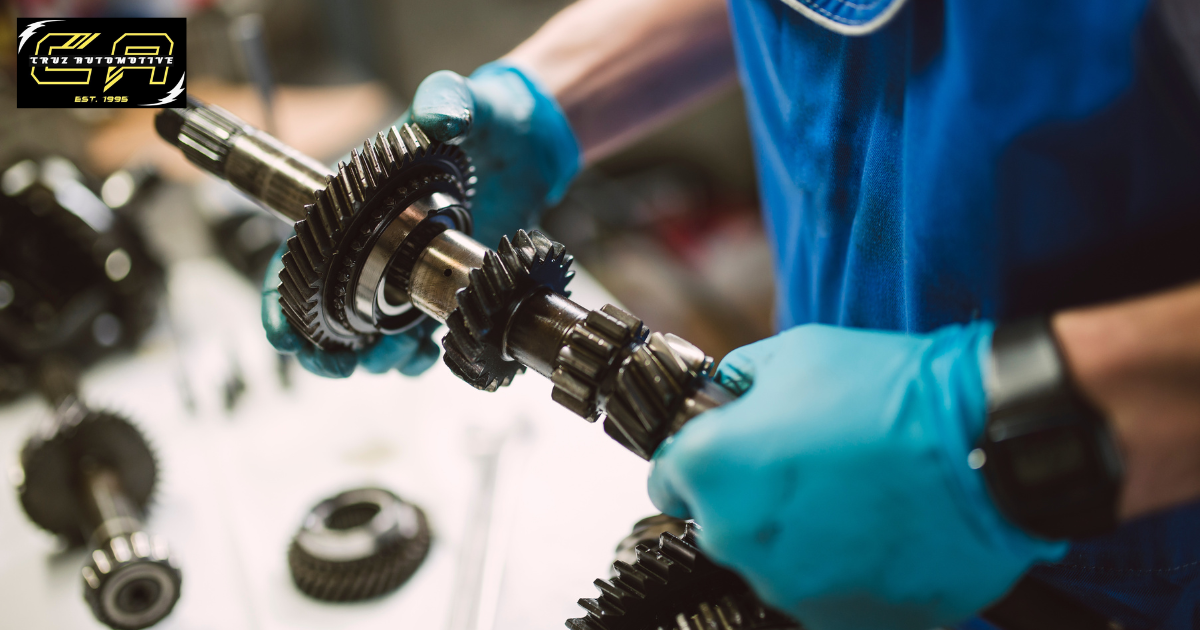
Strange sounds like whining, clunking, or humming when your car is in gear often point to transmission trouble. These noises can be caused by worn bearings, low fluid levels, or internal damage. Automatic and manual transmissions can both exhibit these symptoms.

If you’re unsure about the source, bring your vehicle to Cruz Automotive. Our team has years of experience diagnosing odd car sounds and delivering reliable transmission repair service in Holland.

3. Transmission Fluid Leaks

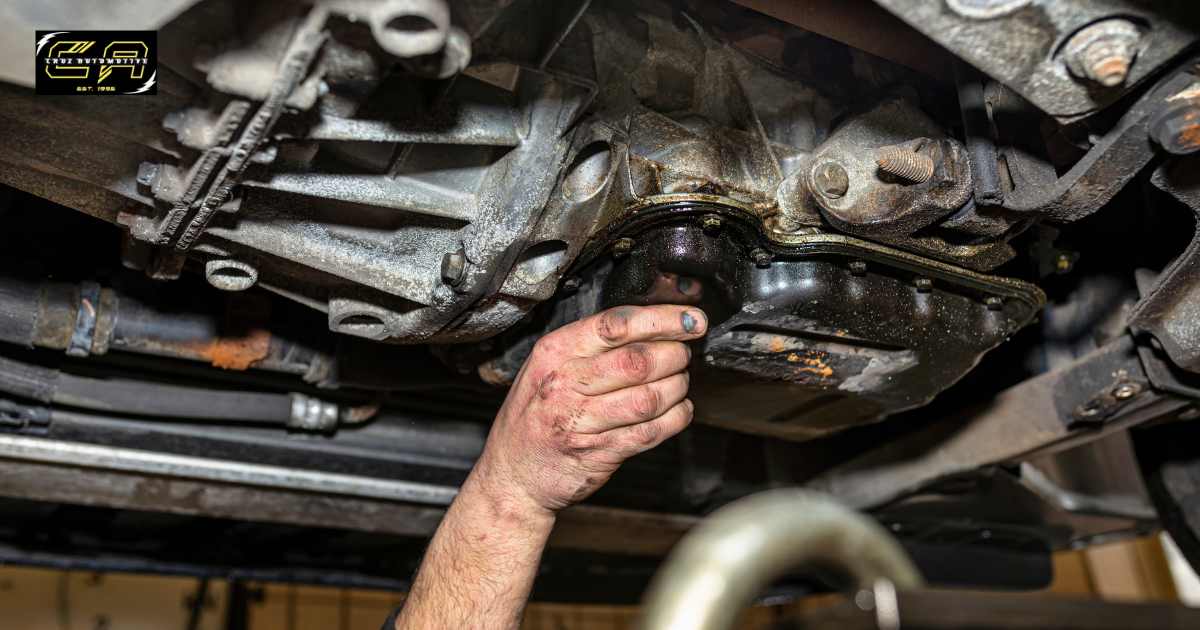
Transmission fluid is essential to keeping your system cool and lubricated. A red or dark fluid under your car could be a sign of a transmission leak. Unlike motor oil, transmission fluid shouldn’t burn off, so if you’re topping it off frequently, there’s likely a leak that needs immediate attention.

Ignoring a fluid leak can lead to severe internal damage. Our technicians will inspect the seals, gaskets, and lines to locate the issue and offer a precise transmission repair estimate in Holland.

4. Dashboard Warning Lights

Your vehicle’s onboard computer system is designed to detect issues before they become serious. If your check engine light or transmission warning light turns on, don’t ignore it. Modern diagnostic tools can pinpoint whether the alert is related to a transmission problem or another engine component.

At Cruz Automotive, we use advanced diagnostics to read these codes and provide the appropriate transmission repair service in Holland. A simple sensor alert today could save you from a full transmission rebuild later.

5. Burning Smell While Driving

A burning smell from your car, especially when accelerating or climbing hills, might indicate overheating transmission fluid. This is a clear signal that something is wrong. Overheated fluid can’t properly lubricate or protect transmission components, leading to accelerated wear and tear.

If you detect any unusual odors, let our team perform a full inspection. We’ll evaluate fluid condition and system health before offering a transparent transmission repair estimate in Holland.

6. Poor Acceleration or Delayed Engagement

Do you feel a lag between shifting gears and actual movement? Is your car slow to respond when you press the gas pedal? These are signs that your transmission may be struggling to transfer power efficiently.

Our experts at Cruz Automotive can determine if the problem is mechanical or electronic and provide tailored transmission repair service in Holland to get you back on the road safely.

Trust Cruz Automotive for Transmission Repairs in Holland!

When you notice any of these transmission repair signs, it’s essential to act quickly. Ignoring early symptoms can lead to more serious problems and expensive repairs down the line. At Cruz Automotive, we pride ourselves on honest evaluations, expert repairs, and customer-first service.

Visit Cruz Automotive to schedule your inspection or request a transmission repair estimate in Holland. Our ASE-certified technicians are here to keep your vehicle running smoothly, because your safety and satisfaction are our top priorities.

CVT Transmission Repair – Is It Worth Fixing or Replacing?

As modern vehicles evolve, more automakers are turning to Continuously Variable Transmissions (CVTs) for improved fuel efficiency and smoother rides. But when your CVT starts acting up, it can quickly become a source of stress—and a potentially expensive repair. At Cruz Automotive, we specialize in reliable CVT Transmission Service in Holland and want to help you determine whether fixing or replacing your CVT is worth it.

Understanding CVT Transmission Problems

Unlike traditional automatic transmissions, a CVT uses a pulley and belt system that provides an infinite range of gear ratios. This allows your engine to run more efficiently, but it also makes CVTs more complex and, unfortunately, more prone to wear.

Some common CVT transmission problems include:

  • Slipping or shuddering during acceleration
  • Delayed gear engagement
  • Whining or humming noises
  • Overheating
  • Poor fuel economy

If you’re experiencing any of these symptoms, it’s time to schedule a professional CVT inspection. At Cruz Automotive, our team is ready to help with dependable CVT transmission repair near you.

CVT vs Automatic Transmission: Which Is More Reliable?

One of the biggest questions vehicle owners ask is how a CVT vs an automatic transmission. While CVTs provide better fuel economy and a smoother driving experience, they’re often less durable and more costly to repair or replace.

Traditional automatic transmissions tend to be more robust and have been around much longer, which means more mechanics are familiar with repairing them. CVTs, on the other hand, often require specialized knowledge and equipment—something we proudly offer here at Cruz Automotive.

So, while CVTs aren’t inherently worse than automatics, they do demand more careful attention, especially when problems arise.

Should You Repair or Replace Your CVT?

This is the big question—and the answer depends on several factors:

1. Age and Mileage of Your Vehicle

If your car has relatively low mileage and the rest of the drivetrain is in good condition, repairing the CVT may be the most cost-effective option. In contrast, if your car has over 150,000 miles, replacing the entire unit might offer better long-term reliability.

2. Severity of the Damage

Minor issues like software malfunctions or fluid leaks can often be repaired for a reasonable price. However, if internal components such as the belt or pulleys are damaged, replacement costs can escalate quickly.

3. Warranty Coverage

If your vehicle is still under warranty, a CVT replacement may be covered—especially since many automakers have extended CVT warranties due to known issues. Be sure to check with your manufacturer or let us help you review your coverage.

Trust Cruz Automotive for CVT Transmission Service in Holland

We understand how stressful transmission problems can be, especially when it comes to CVTs. That’s why Cruz Automotive offers expert CVT Transmission Service in Holland with honest assessments and professional repairs.

Our ASE-certified technicians use advanced diagnostics and factory-grade equipment to pinpoint the exact issue, whether it’s a minor sensor failure or a full mechanical breakdown. And because we’re committed to your satisfaction, we’ll walk you through your options—repair or replacement—so you never feel pressured into a decision.

Looking for CVT Transmission Repair Near You?

Cruz Automotive proudly serves drivers throughout the Holland area with quality workmanship and friendly service. If you’re searching for “CVT transmission repair near you,” look no further. Whether you’re dealing with minor CVT hiccups or a total transmission failure, we’re here to restore your vehicle’s performance and peace of mind

Smooth Drives Start Here — Expert CVT Repairs You Can Trust!

While CVT transmissions offer many benefits, they also require specialized care. If you’re facing CVT transmission problems, don’t delay—addressing them early can often save you thousands in future repairs. At Cruz Automotive, we’re your trusted local resource for everything from diagnostics to full CVT replacements.

Schedule your CVT transmission service today and let our experts keep you confidently on the road.

Need help now? Contact Cruz Automotive to book your CVT inspection or repair appointment in Holland today.

From Fluid Changes to Full Rebuilds – The 2025 Guide to Transmission Health

At Cruz Automotive, we know that your vehicle’s transmission is the heart of its drivetrain. Whether you’re commuting through Holland, MI, or exploring the back roads of Zeeland, transmission health is vital to your car’s performance and longevity. In 2025, advancements in automotive care and consumer awareness mean it’s more important than ever to stay ahead of transmission issues. This guide covers everything from basic fluid changes to comprehensive rebuilds, offering insight and tips for how to maintain transmission health effectively.

Why Transmission Maintenance Matters

Your transmission is responsible for transferring power from the engine to the wheels. Automatic or manual, modern transmissions are intricate systems that require proper lubrication, calibration, and care. Without regular attention, they can develop issues that lead to costly repairs or even full replacements.

One of the most common—and preventable—causes of transmission failure is fluid neglect. That’s why we stress the importance of scheduling a timely Transmission fluid change in Holland MI or Transmission fluid change Zeeland, depending on where you’re located.

When to Change Your Transmission Fluid

One common question we hear is: “How often should I change my transmission fluid?” While it varies by make, model, and usage, most vehicles need a change every 30,000–60,000 miles. Some newer models with synthetic fluid can go longer—but in Michigan’s conditions, we recommend not waiting that long. Watch for signs like slipping gears, rough shifting, burnt-smelling or dark fluid, and grinding noises. If you notice any of these, it’s time to visit Cruz Automotive. Our technicians will check your fluid and recommend the right service schedule for your vehicle.

Transmission Maintenance Tips for 2025

Taking care of your transmission doesn’t have to be complicated. Here are some essential 2025 transmission maintenance tips to keep your system running smoothly:

  1. Check Fluid Regularly
     Transmission fluid should be checked monthly. Ensure your car is warmed up and on level ground. Look for fluid that is bright red and smells clean—not burnt.
  2. Avoid Towing Overload
     Overloading your vehicle, especially without a tow package, puts stress on the transmission. If towing is common in your lifestyle, consider installing a transmission cooler.
  3. Watch for Leaks
     Leaking fluid is often red and sweet-smelling. Even a small leak can lead to serious internal damage over time. If you see puddles under your car, come see us right away.
  4. Don’t Skip Regular Inspections
     A professional transmission inspection every 12 months ensures any developing issues are caught early—before they become major problems.
  5. Use the Right Fluid
     Not all transmission fluids are the same. Using the wrong type can reduce performance and even cause internal damage. Our team will always use the manufacturer-recommended fluids for your car.

When a Rebuild Is the Best Option

Sometimes, regular maintenance isn’t enough. High mileage, delayed service, or major internal damage may require a full transmission rebuild. While it may sound intimidating, a rebuild can restore your transmission to like-new condition and significantly extend the life of your vehicle.

Cruz Automotive specializes in transmission diagnostics and rebuilds. We use the latest diagnostic tools to pinpoint the issue, replace worn-out components, and ensure the rebuilt system meets or exceeds OEM standards.

How to Maintain Transmission Performance Year-Round

With the changing seasons in Holland and Zeeland, your driving conditions can shift dramatically. Extreme temperatures—especially cold winters—can affect fluid viscosity and internal components.

Here’s how to maintain transmission performance all year:

  • Warm up your car for a few minutes in winter
  • Avoid sudden acceleration or braking on icy roads
  • Schedule a fluid flush before and after extreme temperature seasons

By staying proactive, you’ll reduce wear and improve efficiency.

Trust Cruz Automotive for Transmission Care in 2025

Whether you need a routine Transmission fluid change Holland MI, a Transmission fluid change Zeeland, or expert advice on how to maintain transmission systems long-term, Cruz Automotive is here to help. We take pride in offering transparent service, cutting-edge diagnostics, and honest guidance.

If you’re looking for reliable, local experts to support your vehicle’s performance, book your next appointment with Cruz Automotive. Your transmission will thank you—mile after mile.

Automatic Transmission Problems? Top Warning Signs You Shouldn’t Ignore

At Cruz Automotive, we know how important your vehicle’s transmission is to your daily life. Whether you’re commuting to work, dropping off the kids, or heading out on a weekend getaway, your car’s automatic transmission plays a critical role in keeping everything running smoothly. But when that system starts to fail, the warning signs can creep up quietly — until you’re left stranded on the side of the road.

If you’ve been searching for “automatic transmission repair near you” or are noticing strange new behaviors in your car, it may be time to act fast. Here’s what to watch out for and how we can help with reliable automatic transmission repair in Grand Haven.

1. Slipping Gears

Does your car suddenly change gears without any input or feel like it’s struggling to stay in gear? That’s a red flag. Gear slipping is one of the most common automatic transmission problems we see at Cruz Automotive. It typically means the transmission bands or clutch plates are worn, or the fluid is low or degraded.

Ignoring slipping gears can lead to serious internal damage. If your car can’t maintain a steady gear, it’s time to bring it in for a proper diagnostic.

2. Delayed or Rough Shifting

If there’s a delay between when you move the gear selector and when the car actually shifts, your transmission could be in trouble. Similarly, if the shift feels jerky, harsh, or loud, it’s more than just an annoyance — it’s a mechanical issue.

When transmission fluid is old or contaminated, it can prevent the hydraulic system from functioning properly. We recommend scheduling automatic transmission repair near you as soon as you notice these symptoms.

3. Unusual Noises

Hearing clunking, humming, or whining while your car is in gear? These are not normal driving sounds. Transmission components like bearings or planetary gears might be worn or damaged. Sometimes, these noises can also be caused by a low or incorrect level of transmission fluid.

Don’t wait until your transmission locks up. At Cruz Automotive, we specialize in diagnosing and fixing automatic transmission problems before they become costly failures.

4. Transmission Fluid Leaks

Transmission fluid is typically red or dark pink. If you notice puddles or spots under your vehicle that match that description, it’s a clear sign something is wrong.

Leaks can come from a damaged pan gasket, cracked lines, or faulty seals. Left unaddressed, fluid loss can cause the entire transmission to overheat and fail. Searching for automatic transmission repair in Grand Haven? Our team can locate and seal the leak quickly and get you back on the road.

5. Warning Lights

Your check engine light might come on for several reasons, but when paired with transmission-related symptoms, it shouldn’t be ignored. Modern vehicles have onboard diagnostics that can detect internal transmission problems and trigger alerts.

At Cruz Automotive, we use state-of-the-art scan tools to read those codes and pinpoint the issue — saving you time, money, and guesswork.

6. Burning Smell

A burning odor could indicate that your transmission fluid is overheating. When fluid loses its lubricating and cooling abilities, friction increases, leading to excessive wear and potential breakdown.

If your vehicle smells like burnt rubber or chemicals after driving, don’t wait. Call our Grand Haven shop and let our experts take a look.

Why Choose Cruz Automotive?

We understand that finding trustworthy “automatic transmission repair near you” isn’t always easy. At Cruz Automotive, we’re proud to be the go-to choice for automatic transmission repair in Grand Haven. Our certified technicians have years of experience working with both domestic and imported vehicles. We use premium parts and fluids, and we stand behind every repair with our satisfaction guarantee.

Don’t Ignore the Signs — We’re Here to Help

Automatic transmission problems don’t fix themselves — they only get worse with time. If you notice any of the warning signs above, trust the team at Cruz Automotive to get your vehicle back to peak performance.

Schedule your appointment today and let us show you why we’re Grand Haven’s preferred destination for automatic transmission repair.

Emergency Transmission Service – What to Do When Your Car Won’t Shift

When your car refuses to shift gears, it can be more than just frustrating—it can be dangerous. Whether you’re stuck in traffic or trying to back out of your driveway, a non-shifting transmission often signals an urgent problem that demands immediate attention. At Cruz Automotive, we know how crucial your vehicle’s transmission is to its overall performance and safety. That’s why we’re breaking down what to do if you find yourself in this situation and why it’s important to seek emergency transmission service near you as soon as possible.

Understanding the Problem: Why Your Transmission Won’t Shift

If your automatic transmission is not shifting, the issue can stem from several causes—some minor and others more serious. Common reasons include:

  • Low or contaminated transmission fluid 
  • Worn-out transmission bands or clutches 
  • Electronic sensor failure 
  • Faulty shift solenoids 
  • Transmission control module issues 
  • Mechanical damage inside the transmission 

In many cases, the problem develops over time, starting with minor gear hesitation or slipping, until one day, your car simply refuses to move out of park or drive.

What to Do Immediately

  1. Don’t Force the Shifter
     If your transmission isn’t engaging, forcing the gear lever can cause more damage. If you drive an automatic, check if the brake pedal is fully depressed, which is required to shift out of park.
  2. Check Transmission Fluid Levels
     Pull over safely, turn off the car, and check the transmission fluid if your vehicle has a dipstick for it. Low or burnt-smelling fluid can be a major red flag and a common cause of shifting issues.
  3. Turn Off and Restart the Vehicle
     Sometimes, especially with modern electronically controlled transmissions, restarting the engine can reset the sensors and clear temporary glitches.
  4. Listen and Observe
     Pay attention to unusual noises like grinding or clunking, dashboard warning lights, or whether the issue affects all gears or just specific ones. This information will help when you seek professional help.
  5. Call for Emergency Transmission Service Near You
     When in doubt, call a trusted professional. A certified mechanic can perform diagnostic testing to identify the issue accurately. At Cruz Automotive, our team is equipped to handle urgent situations with precision and care.

When to Call Cruz Automotive

If you’re in the Holland area and experiencing a shifting issue, Cruz Automotive offers reliable transmission repair service in Holland with a focus on fast diagnostics, accurate repairs, and honest communication. Whether it’s a worn clutch pack or a failed solenoid, we have the expertise to get your transmission working properly again.

We prioritize emergencies and can often get your vehicle assessed the same day. Our technicians use advanced diagnostics to pinpoint the root cause of the problem—saving you time and preventing unnecessary repairs.

Why Immediate Service Matters

Ignoring a shifting problem can lead to bigger, more expensive repairs down the road. In many cases, the longer you drive with a malfunctioning transmission, the more damage it causes. That’s why you should always take a non-shifting vehicle seriously and seek emergency transmission service near you at the first sign of trouble.

Preventive Tips to Avoid Transmission Failure

  • Regularly check and change your transmission fluid 
  • Don’t overload your vehicle 
  • Allow the car to warm up before driving in cold weather 
  • Keep up with scheduled maintenance 
  • Address small problems before they grow 

Transmission issues don’t have to derail your day—or your budget. With proper care and early attention, you can avoid a complete breakdown and costly rebuild.

Contact Cruz Automotive Today!

If your automatic transmission is not shifting or you’re concerned about the performance of your vehicle, don’t wait. Contact Cruz Automotive for expert transmission repair service in Holland. Our ASE-certified technicians are ready to help, whether it’s a quick fix or a major repair. We’re committed to getting you back on the road safely and efficiently.

Give us a call today or stop by our shop to get started with a transmission diagnostic. Emergency transmission service near you is just a phone call away—trust Cruz Automotive to keep your car in gear.


Is Your Vehicle Leaking Transmission Fluid? When to Take Action

If you’ve ever noticed a reddish puddle under your car or a strange burning smell after a drive, you might be facing a transmission fluid leak. Though it might not seem like an urgent issue at first glance, ignoring it can lead to major (and expensive) repairs down the road. At Cruz Automotive, we specialize in transmission oil leak repair in Holland, helping local drivers prevent costly damage and keep their vehicles running smoothly.

How to Identify a Transmission Fluid Leak

Transmission fluid is vital to your vehicle’s performance. It lubricates moving parts, cools the transmission, and ensures smooth gear shifting. A leak can compromise all of these functions and even lead to complete transmission failure if left unchecked.

Here’s what to look for:

  • Red or dark brown puddles under the car (especially near the front-middle area)
  • Burning smell or sweet, syrupy odor after driving
  • Delayed or rough shifting between gears
  • Low fluid levels when you check the dipstick
  • Dashboard warning lights, such as the check engine or transmission warning

Noticing any of these signs? It’s time to act. Our team at Cruz Automotive is ready with expert diagnostics and fast oil leak repair near you.

What Causes Transmission Leaks?

Understanding the root cause of a leak is essential to finding the right solution. Some common culprits include:

1. Worn Transmission Pan Gasket

The pan gasket seals the transmission pan. Over time, it can crack or become brittle, especially in older vehicles.

2. Damaged Seals or O-Rings

Seals around the input shaft, output shaft, or valve body can break down due to wear, heat, or age.

3. Loose or Damaged Drain Plug

If the drain plug wasn’t properly tightened after a fluid change, or if the threads are stripped, a leak can easily occur.

4. Cracked Transmission Lines

Transmission cooler lines carry fluid between the transmission and the radiator. If they corrode or crack, they’ll leak fluid under pressure.

5. Overfilled Transmission

Surprisingly, too much fluid can also lead to leaks. Excess fluid creates pressure that forces it out of seals or vents.

When to Take Action

The short answer? Immediately. Even a small transmission fluid leak can become a big problem fast. Driving with low or no fluid can overheat the transmission, causing internal parts to warp or fail. This can turn a relatively simple repair into a full transmission rebuild or replacement.

At Cruz Automotive, we prioritize catching issues early. Our ASE-certified technicians offer detailed inspections to pinpoint the leak source and recommend the most effective fix. Whether it’s a gasket replacement, new seals, or a full transmission reseal, you’ll get honest guidance and reliable service every time.

Explore our manual transmission repair and replacement services here to learn how we help drivers keep their gearboxes in peak condition.

Professional vs. DIY: Why a Shop Makes Sense

While some online guides might suggest DIY fixes for minor leaks, the reality is that most transmission components are complex and not easily accessible. Inaccurate fluid levels, poor seal installations, or missed problems can lead to further damage.

Choosing a trusted shop like Cruz Automotive ensures the problem is fixed correctly the first time. Plus, you get peace of mind knowing our work is backed by expert training and high-quality parts.

Choose Cruz Automotive for Transmission Oil Leak Repair in Holland

When searching for oil leak repair near you, trust a shop that puts your safety and satisfaction first. At Cruz Automotive, we combine advanced diagnostic tools with hometown service to deliver unmatched value in transmission oil leak repair in Holland.

Don’t wait for a small leak to become a major headache. If you suspect a transmission fluid leak, bring your vehicle to Cruz Automotive today for fast, friendly, and professional repair services.

Schedule your appointment now and let our team keep your transmission in top condition-leak-free and road-ready.

Slipping Gears? Here’s How to Stop Transmission Trouble in Its Tracks

If your car feels like it’s not shifting properly or the engine revs without matching acceleration, you may be experiencing transmission slipping. This issue can lead to costly damage if not addressed quickly, but the good news is—it’s often fixable. At Cruz Automotive, we specialize in transmission slipping repair in Holland, offering thorough diagnostics and affordable repair solutions to get you back on the road safely.

What Is Transmission Slipping?

Transmission slipping occurs when your car shifts gears unexpectedly or fails to stay in the correct gear. You might notice:

  • Delayed acceleration
  • High RPMs while shifting
  • Harsh or erratic gear changes
  • Burning smells or fluid leaks
  • Check engine light illumination

These symptoms are your car’s way of signaling that something isn’t right. A slipping transmission can be caused by several factors, including worn-out clutch plates, low transmission fluid, faulty solenoids, or more severe internal damage.

First Step: Accurate Diagnosis

Before jumping into repairs, it’s crucial to identify the root cause. At Cruz Automotive, we begin every transmission slipping repair with a full inspection. Our certified technicians use advanced diagnostic tools to pinpoint whether the issue lies with fluid levels, the torque converter, internal clutch systems, or the valve body. This ensures we only perform the necessary repairs—saving you time and money.

Common Causes and How We Fix Them

Let’s break down the most common culprits behind a slipping transmission and how we repair them:

1. Low or Contaminated Transmission Fluid

Transmission fluid lubricates and cools the system. If it’s low or dirty, the transmission can’t operate properly. We’ll:

  • Check and top off fluid levels
  • Drain and replace old or burnt fluid
  • Inspect for leaks in the pan gasket, seals, or cooler lines

2. Worn Clutch Plates (for Manual Transmissions)

Manual transmissions rely on clutch plates to engage gears. When they wear down, slipping occurs. Our Holland-based team can:

  • Replace the clutch disc, pressure plate, and throw-out bearing
  • Resurface or replace the flywheel, if necessary
  • Learn more about our manual transmission repair and replacement services.

3. Malfunctioning Solenoids (for Automatic Transmissions)

These are small valves that regulate fluid flow and pressure. If they fail, gear engagement becomes erratic. We:

  • Test each solenoid with scan tools
  • Replace faulty solenoids with OEM-grade parts
  • Reprogram the TCM if required

4. Torque Converter Issues

The torque converter transfers engine power to the transmission. If it’s worn or damaged, you’ll likely feel shuddering or slipping. Our technicians:

  • Perform pressure and stall tests
  • Inspect the torque converter’s internal turbine, stator, and clutch
  • Replace it with a manufacturer-approved part if needed

When a Rebuild or Replacement Is Necessary

If your transmission is severely damaged—especially in high-mileage vehicles—a complete rebuild or replacement may be more cost-effective in the long run. Unlike some transmission shops in Holland, Cruz Automotive offers both partial and full rebuilds depending on your vehicle’s condition. We prioritize transparency, offering a clear estimate and timeline before any major work begins.

Prevention: Don’t Let It Slip Away

Routine maintenance can help prevent slipping transmissions. We recommend:

  • Fluid changes every 30,000–60,000 miles
  • Annual transmission inspections
  • Prompt repairs when early symptoms appear

Following these practices can extend the life of your transmission and reduce the likelihood of future breakdowns.

Choose Cruz Automotive for Transmission Repairs in Holland!

Not all transmission shops in Holland offer the same level of care and expertise. At Cruz Automotive, we combine local trust with dealer-level diagnostics. Whether it’s a minor fluid issue or a complex internal repair, our ASE-certified technicians will handle it with precision and integrity.

We understand how stressful car trouble can be. That’s why we’re committed to honest communication, quick turnaround times, and exceptional service. If you’re experiencing transmission slipping, don’t wait for it to get worse.

Schedule your appointment today and let Cruz Automotive get you back in gear with professional transmission slipping repair in Holland.

How Do Transmission Diagnostics Work & What Are the Different Ways to Diagnose Transmission Problems?

Your vehicle’s transmission is one of the most critical components of its drivetrain. When issues arise, addressing them promptly can save you from costly repairs down the road. Transmission diagnostics play a key role in identifying problems early and ensuring your car runs smoothly. At Cruz Automotive, we specialize in transmission diagnostics in Grand Haven, helping drivers detect and fix transmission issues efficiently. In this blog, we’ll explore how transmission diagnostics work and the different ways to diagnose transmission problems.

How Transmission Diagnostics Work

Modern vehicles are equipped with advanced computer systems that monitor the health of the transmission. When there is an issue, the system logs error codes that can be retrieved with a diagnostic scanner. The diagnostic process typically involves the following steps:

  1. Check Engine Light Inspection – If your vehicle’s check engine light is on, it could indicate a transmission problem. A technician will use a scan tool to retrieve trouble codes from the vehicle’s onboard computer.
  2. Transmission Fluid Check – Low or contaminated transmission fluid can cause slipping, overheating, or shifting issues. Checking the fluid’s level, color, and smell helps determine if there is a problem.
  3. Road Test – A test drive allows technicians to assess transmission performance, including shifting patterns, delays, and unusual noises.
  4. Computerized Diagnostics – Using specialized tools, mechanics analyze sensor data and error codes to pinpoint specific issues affecting the transmission.
  5. Physical Inspection – If necessary, a visual inspection of the transmission, seals, and gaskets helps identify leaks or worn components.

Different Ways to Diagnose Transmission Problems

Diagnosing a transmission issue involves multiple methods, depending on the symptoms and severity of the problem. Here are the most common approaches:

1. Onboard Diagnostics

Modern vehicles come with an OBD-II port that allows mechanics to scan for trouble codes related to the transmission. These codes provide valuable insight into specific malfunctions, such as solenoid failures, sensor issues, or pressure problems.

2. Fluid Analysis

Transmission fluid plays a vital role in lubrication and cooling. Mechanics check the fluid for discoloration, burnt smells, and metal debris, which may indicate internal wear or overheating.

3. Hydraulic Pressure Testing

This test measures the pressure levels within the transmission to determine if the internal hydraulic system is functioning correctly. If the pressure is too low, it could signal a failing pump or leaking seals.

4. Road Testing

By driving the vehicle under different conditions, technicians assess shifting quality, acceleration response, and any abnormal vibrations or noises. This method helps identify mechanical and electronic transmission issues.

5. Visual Inspection for Leaks

Leaks are a common transmission problem. A thorough inspection of transmission seals, hoses, and gaskets can reveal fluid leaks that require repair. If you suspect a leak, transmission leak repair in Grand Haven should be done immediately to prevent further damage.

6. Valve Body and Solenoid Testing

The transmission’s valve body and solenoids regulate fluid flow and shifting. If these components fail, they can cause erratic shifting or complete transmission failure. Testing these parts ensures proper function.

Importance of Early Transmission Diagnosis

Ignoring transmission problems can lead to expensive repairs or even transmission replacement. Some warning signs to watch for include:

  • Slipping gears
  • Delayed or rough shifting
  • Unusual noises (grinding, whining, or clunking)
  • Burning smell from transmission fluid
  • Fluid leaks beneath your vehicle

If you experience any of these issues, professional diagnostics can help determine the root cause before the problem worsens.

Shift into confidence-get expert transmission diagnostics before small issues turn into big problems

Understanding how transmission diagnostics work and using the right diagnostic methods can save you from costly repairs. At Cruz Automotive, we specialize in transmission diagnostics in Grand Haven and transmission leak repair in Grand Haven, ensuring your vehicle stays in top condition. If you’re noticing any transmission issues, contact us today to schedule a professional diagnosis and repair service.

How to Fix a Slipping Transmission and Why Professional Service is Best

A slipping transmission is a significant concern for any vehicle owner. If left unchecked, it can lead to reduced performance, increased fuel consumption, and even complete transmission failure. You may be dealing with transmission slipping if you’ve noticed issues such as delayed acceleration, difficulty shifting gears, or unusual noises. Addressing the problem early is key to avoiding costly repairs. Here’s what you need to know about fixing a slipping transmission and why seeking a professional transmission repair service in Holland is the best choice.

Common Causes of a Slipping Transmission

Transmission slipping can occur for several reasons, including:

  • Low or Contaminated Transmission Fluid – Insufficient or dirty transmission fluid can reduce the efficiency of your transmission, leading to slipping gears.
  • Worn-Out Clutch (Manual Transmission) – A worn clutch can cause gear slipping, requiring adjustment or replacement.
  • Faulty Solenoids—These electrohydraulic valves control the flow of transmission fluid. A malfunctioning solenoid can disrupt gear shifts.
  • Worn or Damaged Gears – Internal transmission components can wear out over time, leading to slippage.
  • Torque Converter Issues – A failing torque converter can prevent the transmission from adequately engaging with the engine.
  • Transmission Bands Wearing Out – Automatic transmissions rely on bands to shift gears. If they become loose or worn, the transmission may slip.

DIY Fixes for a Slipping Transmission

If you suspect transmission slipping, there are a few basic troubleshooting steps you can try:

1. Check and Replace Transmission Fluid

  • Locate the transmission dipstick and check fluid levels.
  • If the fluid is low, top it off with the manufacturer-recommended type.
  • If the fluid appears dark or burnt, consider a complete transmission flush.

2. Inspect for Leaks

  • Transmission fluid leaks can cause low fluid levels. Check under your vehicle for red or brown puddles.
  • If a leak is detected, consult a professional mechanic immediately.

3. Reset the Transmission System

  • Some modern vehicles have electronic transmissions that can be reset by disconnecting the battery for about 30 minutes.

4. Use a Transmission Additive

  • Certain additives can help reduce slipping by conditioning seals and improving fluid performance.

While these solutions may provide temporary relief, they are not permanent fixes. If the issue persists, it’s time to seek transmission slipping repair in Holland from experienced professionals.

Why Professional Transmission Repair is the Best Solution

Attempting to fix transmission slipping without expert knowledge can lead to further damage. Here’s why professional service is the best approach:

1. Accurate Diagnosis

Professional mechanics use advanced diagnostic tools to identify the root cause of transmission issues. This ensures the correct repair is performed, saving you time and money.

2. Proper Repair and Replacement

If transmission components need to be repaired or replaced, professionals have the expertise and specialized equipment to do so correctly.

3. Prevents Further Damage

Ignoring a slipping transmission can lead to complete failure, requiring a costly rebuild or replacement. Timely repairs help avoid significant expenses.

4. Warranty and Peace of Mind

Many professional repair shops, like Cruz Automotive, offer warranties on their work. This assures that your vehicle is in good hands.

Choosing the Right Transmission Repair Service in Holland

When looking for a reliable transmission repair service, consider the following factors:

  • Experience and Expertise – Choose a shop with a proven track record in transmission repairs.
  • Certified Technicians – ASE-certified mechanics ensure high-quality service.
  • Customer Reviews – Positive reviews and testimonials can indicate trustworthy service.
  • Transparent Pricing – A good repair shop provides clear pricing with no hidden fees.

Don’t let a slipping transmission slow you down—get expert repairs and drive with confidence.

If your vehicle’s transmission is slipping, don’t wait until it turns into a bigger problem. While basic troubleshooting can help, professional transmission slipping repair in Holland is the best way to ensure your car runs smoothly and safely. Trust experienced technicians at Cruz Automotive to diagnose and fix your transmission issues efficiently. Contact us today to schedule an appointment and confidently get back on the road!